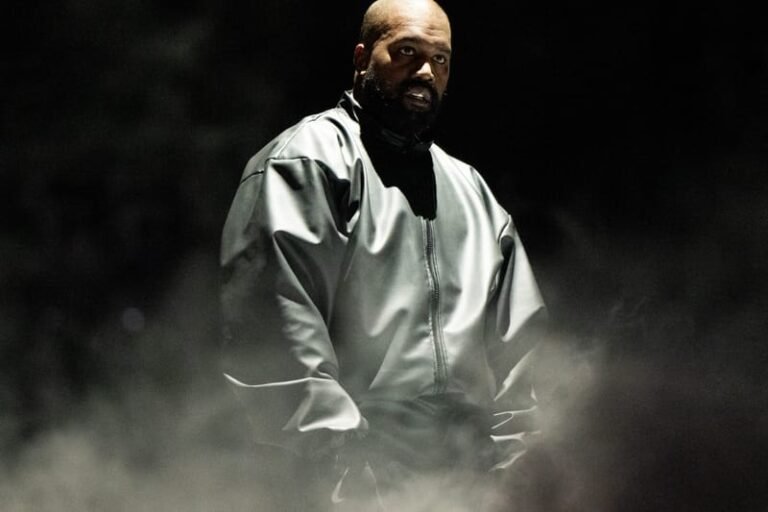
James Blake’s Trying Times and Kim Gordon’s Play Me arrive in the same March release week, placing two radically different artistic languages into one unusually sharp conversation about independence, noise, authorship, and cultural presence in 2026.
James Blake’s Trying Times and Kim Gordon’s Play Me arrive in the same March release week, placing two radically different artistic languages into one unusually sharp conversation about independence, noise, authorship, and cultural presence in 2026.
James Blake and Kim Gordon are not obvious counterparts on paper. One works through intimacy, digital fragility, and the pressure of emotional disclosure. The other has spent decades refining a language of abrasion, cool remove, and conceptual force. Yet this week, with Blake releasing Trying Times and Gordon releasing Play Me, they belong in the same conversation precisely because the contrast is so revealing.
Official Charts lists both records among the major albums released on March 13, 2026, which turns the pairing into more than coincidence. It offers a useful editorial frame for reading where serious alternative music stands now, and how artists from different generations continue to shape it without flattening themselves into the same market logic.
Listen: James Blake, Trying Times.
Listen: Kim Gordon, Play Me.
A release week with real shape
Release weeks are often crowded but shapeless. This one has a clearer internal tension. Blake arrives with his seventh studio album, Trying Times, described by Variety as his first album as a fully independent artist, released through Good Boy Records after taking more direct control over his business operations and touring.
That detail matters because Blake’s release is not only about songs. It is also about the changing conditions of artistic labour in 2026. Variety frames the album as a milestone in his move toward independence, while release listings describe a record concerned with love, fragility, modern anxiety, and the strain of staying emotionally present in an unstable world.

Watch: James Blake discusses Trying Times and independence.
Kim Gordon’s Play Me enters the week from a different position. Coverage around the album and title track confirms a March release alongside a new North American tour, with Play Me following 2024’s The Collective. That places Gordon in a continued solo run that feels active and current rather than archival.

Watch: Kim Gordon, “PLAY ME”.
Two artistic languages, one cultural moment
Blake’s language has long been interior. Even when his production reaches outward into rap, R&B, or electronic pop, his records tend to circle vulnerability, tension, and the instability of private feeling. Early descriptions of Trying Times continue in that direction, presenting the album as a study of intimacy and isolation under conditions of wider uncertainty.
Gordon speaks in another register. Her solo work has kept building on distortion, spoken cool, industrial edge, and a sharply controlled sense of image. If Blake often works by drawing the listener inward, Gordon tends to shape distance into its own kind of presence. Her records can feel architectural, with attitude and sonic texture carrying as much meaning as confession.
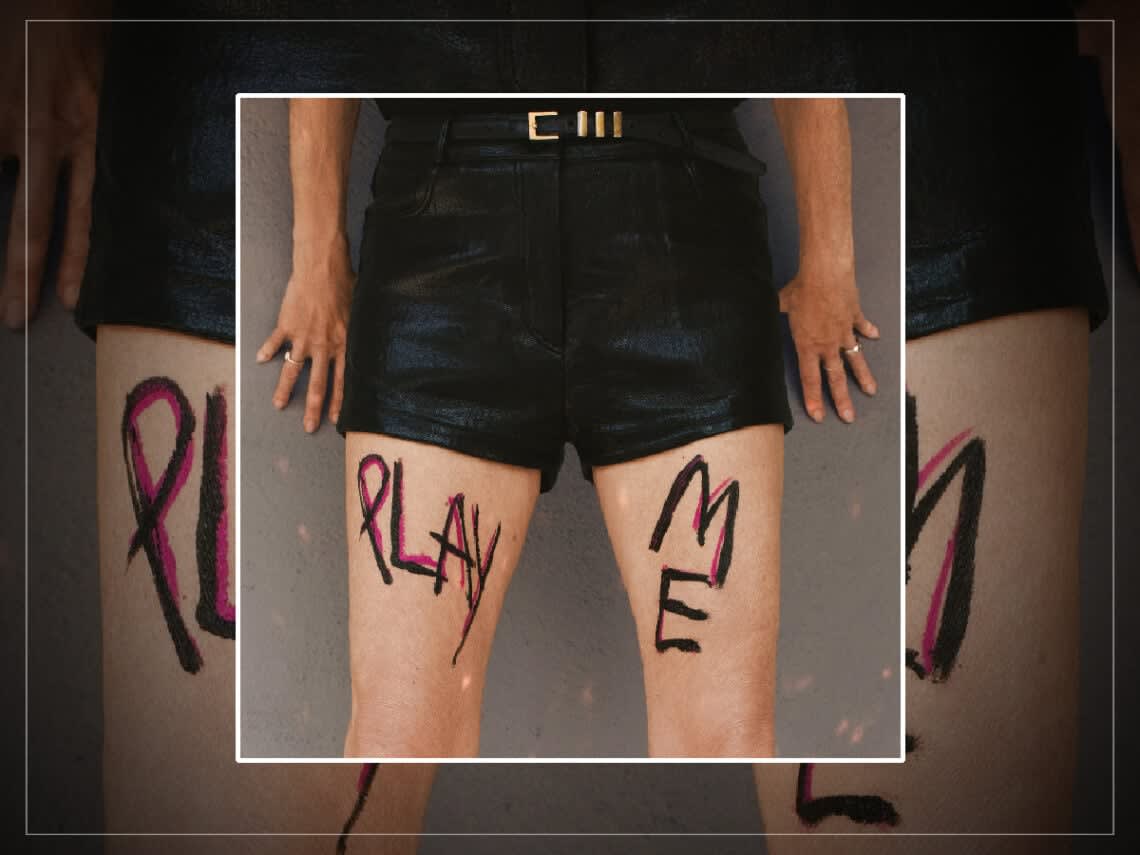
That is exactly why they fit together this week. They represent two enduring ways of making alternative music feel culturally alive. Blake refines emotional exposure until it becomes formally tense. Gordon turns resistance, noise, and visual intelligence into an aesthetic system. Put side by side, they make the week feel less like a sequence of drops and more like a live argument about how serious music communicates now.
Generational contrast without nostalgia
There is also a generational charge to this pairing. Blake belongs to a generation shaped by the internet-native collapse of genre boundaries, by playlist circulation, and by the porous traffic between singer-songwriter intimacy, bass music history, and high-end pop production. His career has moved through collaboration as much as authorship, which gives his shift to full independence a particular weight.
Gordon comes from an earlier avant-garde lineage, but her relevance has not been secured through heritage branding. The current solo phase, including Play Me, keeps her connected to contemporary production language and fashion-world image systems while preserving the intellectual and sonic severity that made her a reference point in the first place. The point is not legacy for its own sake. It is continued authorship.
That difference matters in the current landscape because so much music discourse is trapped between novelty and retrospection. Blake and Gordon cut across that split. One is still testing what independence means after years inside a hybrid mainstream. The other continues to prove that seniority can remain forward-facing when the artistic language still has pressure in it.
Listen: James Blake, “Trying Times”.
What these releases signal in 2026
Taken together, these albums suggest a healthier reading of alternative prestige in 2026. Serious music culture does not belong only to youth velocity, nor only to canonised veterans. It belongs to artists who can still produce form, tension, and a distinct world around the work. Blake and Gordon each do that, though the methods are almost opposite.
Blake’s release points toward a model where independence becomes both business structure and thematic material. Gordon’s points toward durability, showing how a singular artistic persona can remain current without compromise. In the same week, those two gestures make a useful map of what still carries weight: clear authorship, sonic identity, and the refusal to smooth everything into content.
This is what makes the pairing worth more than a release calendar note. Trying Times and Play Me offer two sharply different answers to the same question. How do you remain legible, distinctive, and culturally relevant in a music landscape built to flatten difference? This week, James Blake and Kim Gordon answer from opposite ends of the room, and that tension is the story.