In seed banks, specialists store genetic material from plants that no longer grow in the places they once belonged. The seeds do not remember the soil. The soil still knows how to receive them. The whole practice treats absence as temporary. Javier Batista’s Eden works with the same quiet assumption about the human heart and the first garden of Genesis.
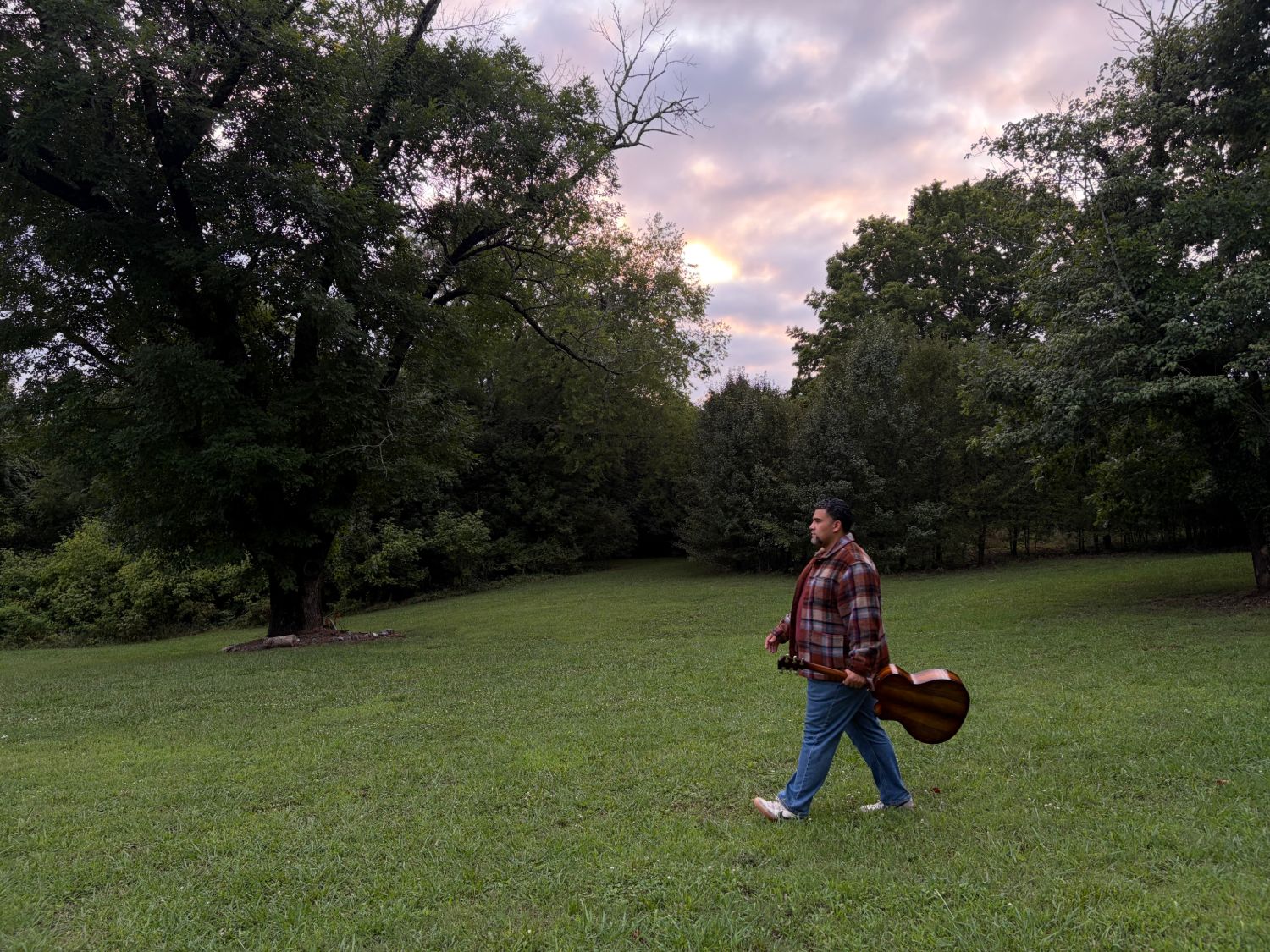
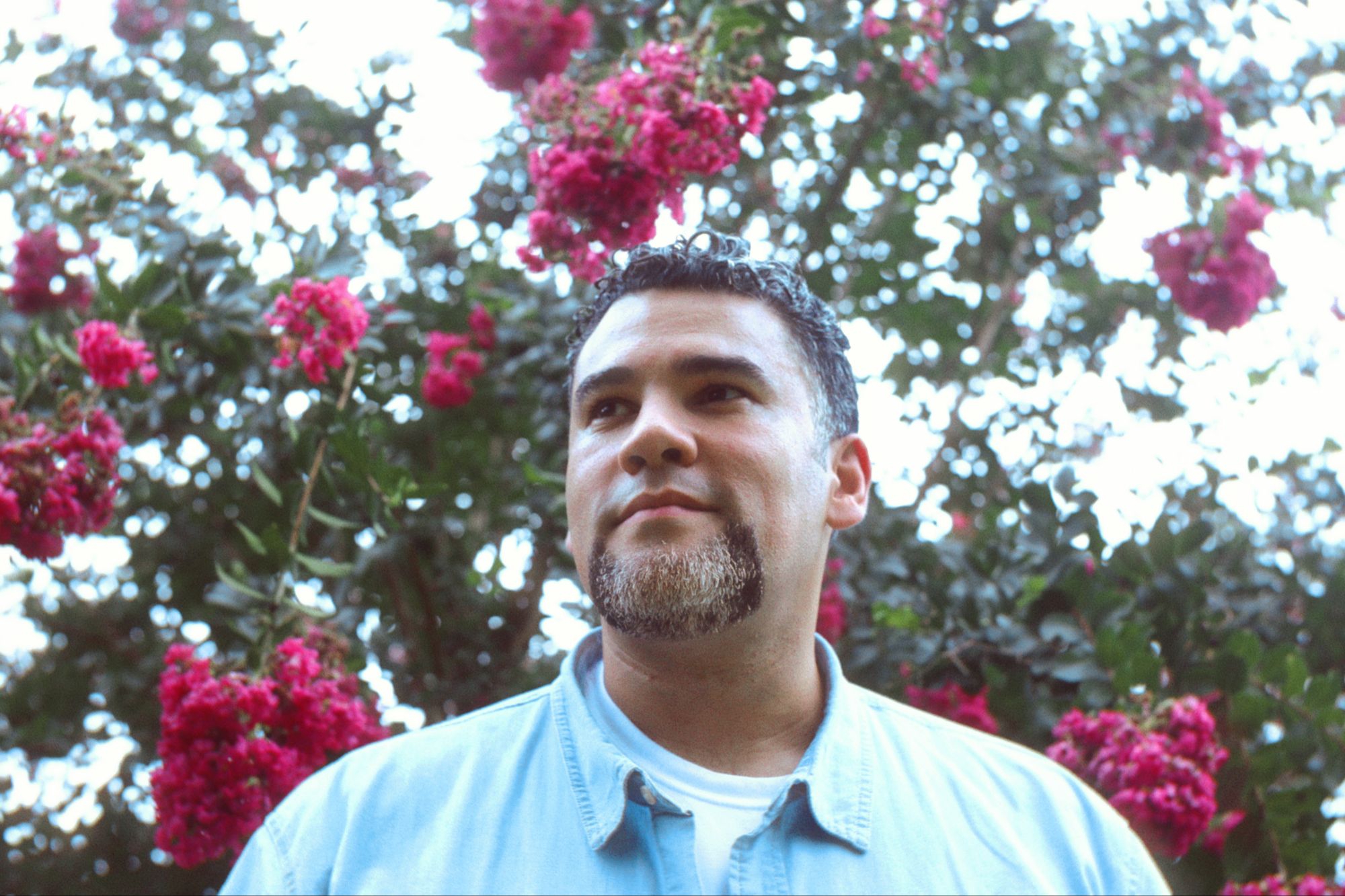
Batista is a singer-songwriter and worship leader based in Mebane, North Carolina. His early years were in New Jersey, with formative time in Puerto Rico, before he settled in the state in 2018. His debut album, Tu Huella, arrived in 2010. In the sixteen years that followed he largely stepped away from releasing his own music, though he kept writing for other artists. Songs such as Breathe on Me and What a Waste carried his fingerprints while his own voice stayed mostly quiet. He lives in North Carolina with his wife, Valerie, and their daughters. Eden is the first release under his own name in that long stretch, co-written with Savannah Wright, James Hitte and Amanda Olsavsky, and produced with Michael Young.

The song is a love song sung from God’s perspective to humanity after the fall. It does not dwell on judgment. It returns to the original intimacy of the garden and keeps the invitation open. “My beloved, I made a garden just for me and you” sets the terms early. The line is plain and close. “Breath of my breath, my delight” follows without ornament, the kind of phrase that only works if the delivery stays unforced. Batista sings it that way, near the microphone, almost spoken, the acoustic guitar left alone long enough for the words to land as memory rather than sermon.
When the separation arrives, the arrangement opens carefully. A soft pulse and a wash of organ appear under the recollection of being called and finding no one there. “I called for you, but you were gone / Lulled far away by a siren song” carries the weight of the fracture without raising its voice. The production does not rush the turn. It lets the ache sit until the chorus can answer it. “Let’s finish what we started / Way back in the garden” is the hinge. The request is practical. The work was interrupted. The garden is still there.
The fullest moment comes when the drums and rhythmic guitars enter and the choir takes up the echo of “Come back to me.” The expansion feels earned because the earlier verses stayed so small. Batista’s voice opens with them, moving from the close, weathered tenderness of the opening into a fuller, more urgent register. The peak does not last. After the lift, the instruments drop away again and he is nearly alone for the line “Way back in the garden.” The sudden quiet makes the phrase feel like a private admission rather than a public declaration. Then he returns once more to “Deep calls to deep, come back to me / Eden waits for you,” the delivery rawer, the invitation still standing.
What gives the track its weight is the refusal to treat the garden as a closed chapter. The biblical imagery stays specific. The voice moves between intimacy and urgency without theatrical leaps. The arrangement expands and contracts in service of that movement. Eden understands the longing for restored communion as something that can be sung plainly, in the present tense, with the gate left open.