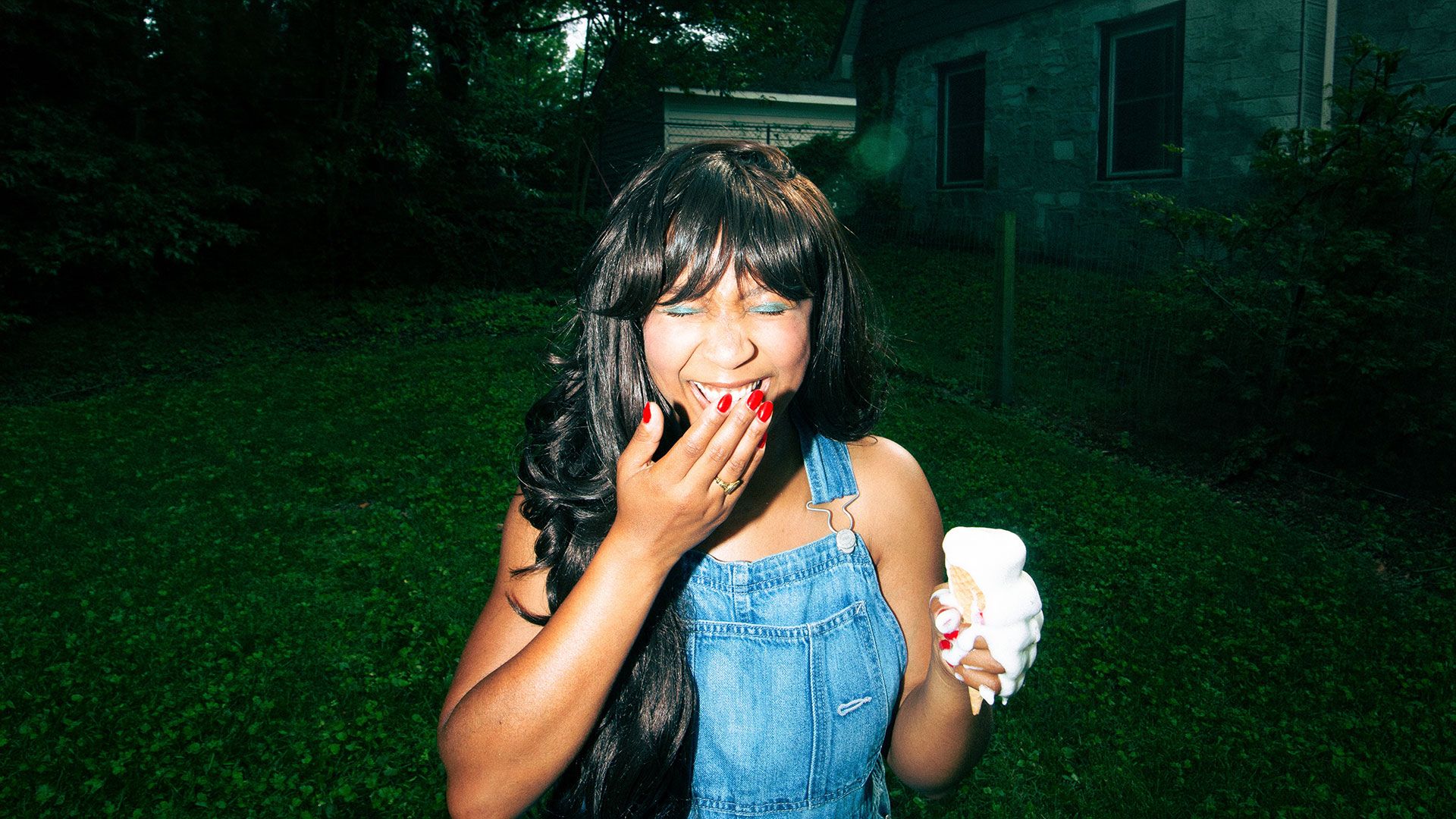
Nia J is a Charlotte, North Carolina independent pop artist who has spent her career working at the intersections of identity and sound. As a Black gay woman living in the South, she has treated the usual expectations of what a Southern woman should look and sound like as material rather than a fixed frame. Her 2021 EP Rabbit Hole mapped a coming-of-age space with personal stakes. The 2024 album Melomania, which Queen City Nerve called a definitive statement, moved through growth, comfort, and frustration with a mix of pop, R&B, and folk sensibility. On Southern Prima Donna she sharpens that line of work into a clearer claim.
In the American South the phrase “bless your heart” functions as a closed door dressed as kindness. The words stay soft. The exit is absolute. It is the polite way to end a conversation, dismiss an idea, or signal that the person across from you has failed some unspoken test. On Southern Prima Donna Nia J takes that same linguistic temperature and turns it outward. The EP is built around the decision to stay inside the cultural codes of the Bible Belt while refusing the limits those codes place on a Black gay woman who wants to name open desire and self-definition in the daylight.
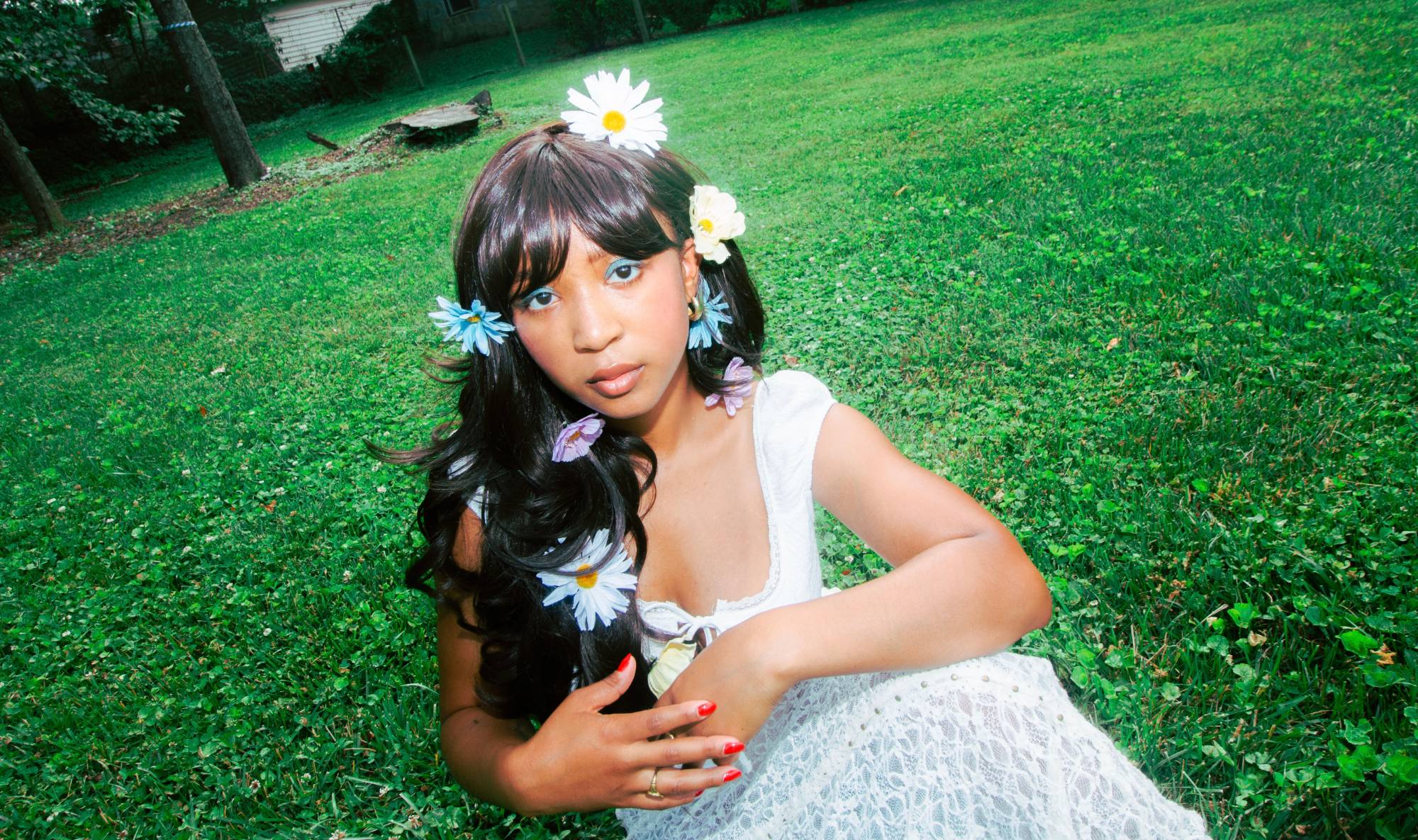
In “Southern Prima Donna” she sings “Bible Belt baby, driving you crazy” and follows with “If you don’t like it, bless your heart, but go to hell.” The line keeps the Southern cadence and then drops the mask. “Raising Hell” moves through Texas, Florida, and the Carolinas, naming the “Southern belle, raising hell everywhere she goes” who “Loves the Lord, so she don’t need saving” and “Drives her car like an F-150.” The symbols stay local. The refusal is explicit. The arrangement opens with ambient noise and a percussive acoustic guitar, then brings in a round bass, handclaps, and a violin that lifts the temperature before the track empties out for the final lines. The voice moves between a tighter rhythmic phrasing in the chorus and a more suspended delivery on “Her truth will set you free / She’s everything I need.”
“Wishing You the Best” sets the personal stakes of that same refusal. The voice begins conversational and near-whispered in the verses, then opens into brighter, layered choruses. After the bridge the drums and bass drop away. Suspended on synth chords and light harmonies, the line “Girl, if you lose me there’s no coming back” lands almost a cappella before the groove returns. The pride and the wound sit in the same moment. The video stays inside a single white studio space, moving through costume changes and small everyday actions that keep the performance playful while the lyric holds the line.
“Getaway” stays inside the risk. “My mama is worried, but I swear I’m fine / Hoping I make it alive” sits next to the invitation to “Park the car around the corner, we can get away.” The track begins with plucked strings and a folk-tinged violin, then brings in drums and bass that push the pace forward. A later drop returns the arrangement to a more exposed place before the final push. The voice keeps a softer, almost breathy center in the verses and stretches into longer, more projected lines when the escape takes over.
“Blue Jean Baby” leans into the open road and the western myth. Low-rise jeans, a cowboy, and the invitation to “hit the gas and go all night” turn desire into movement. The arrangement holds a pulsing bass and measured drums under warm synth pads and reverberant electric guitars that open further in the choruses. A long guitar solo closes the track. The voice stays close and airy, almost confiding, while the harmonics and the solo give the space room to expand.
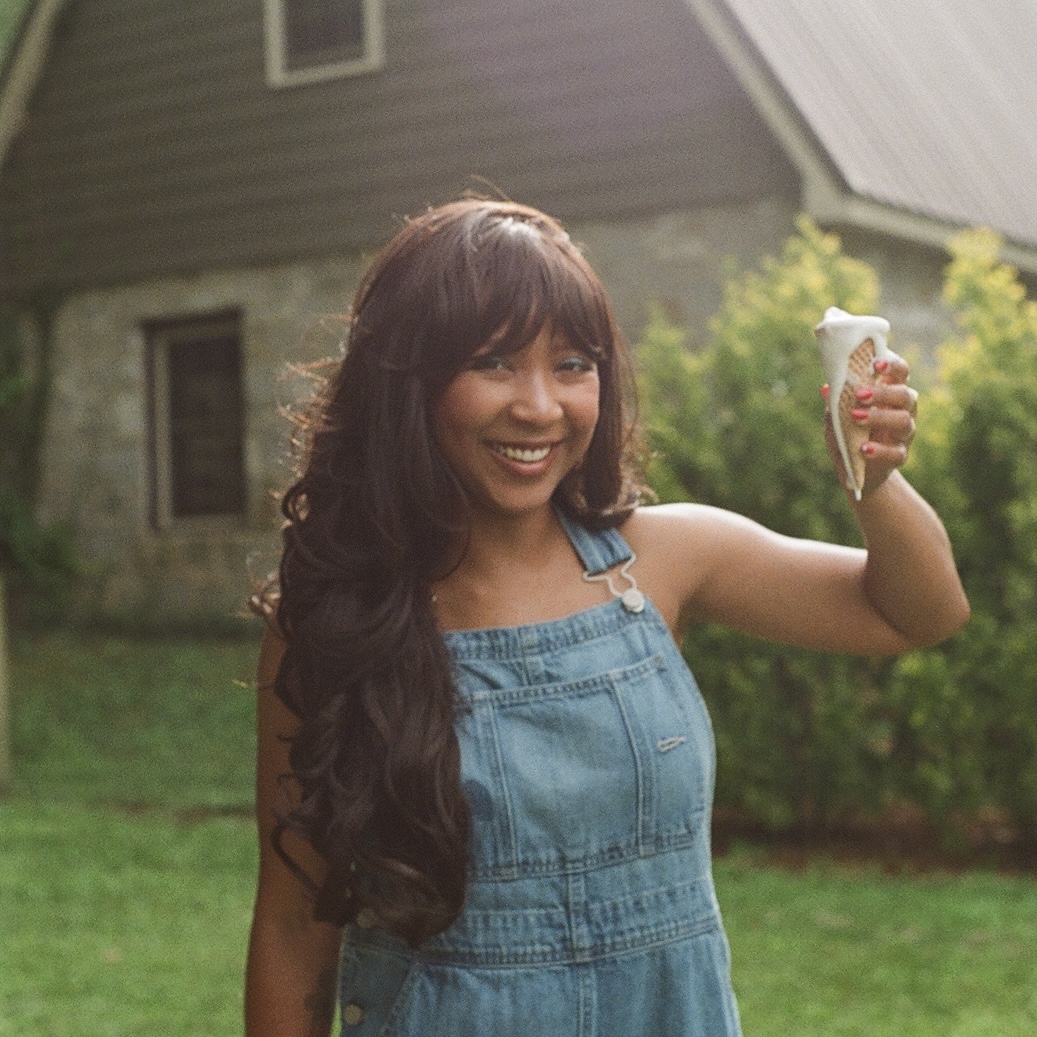
Across the five tracks the palette stays consistent. Elastic bass lines, dry drums, and soft synth pads create a modern base that acoustic and electric guitars and occasional violin keep tied to American roots. Dynamics empty out at key moments so the words land alone, then return with stacked harmonies. The voice shifts from intimate, conversational phrasing to fuller, more projected lines without losing its center. The writing keeps returning to the same tension between polite Southern markers and open refusal. Sweet tea, an F-150, boots made for walking, a Southern belle raising hell, a Bible Belt baby who will not be put in a corner. The symbols stay in place. The claim moves through them.
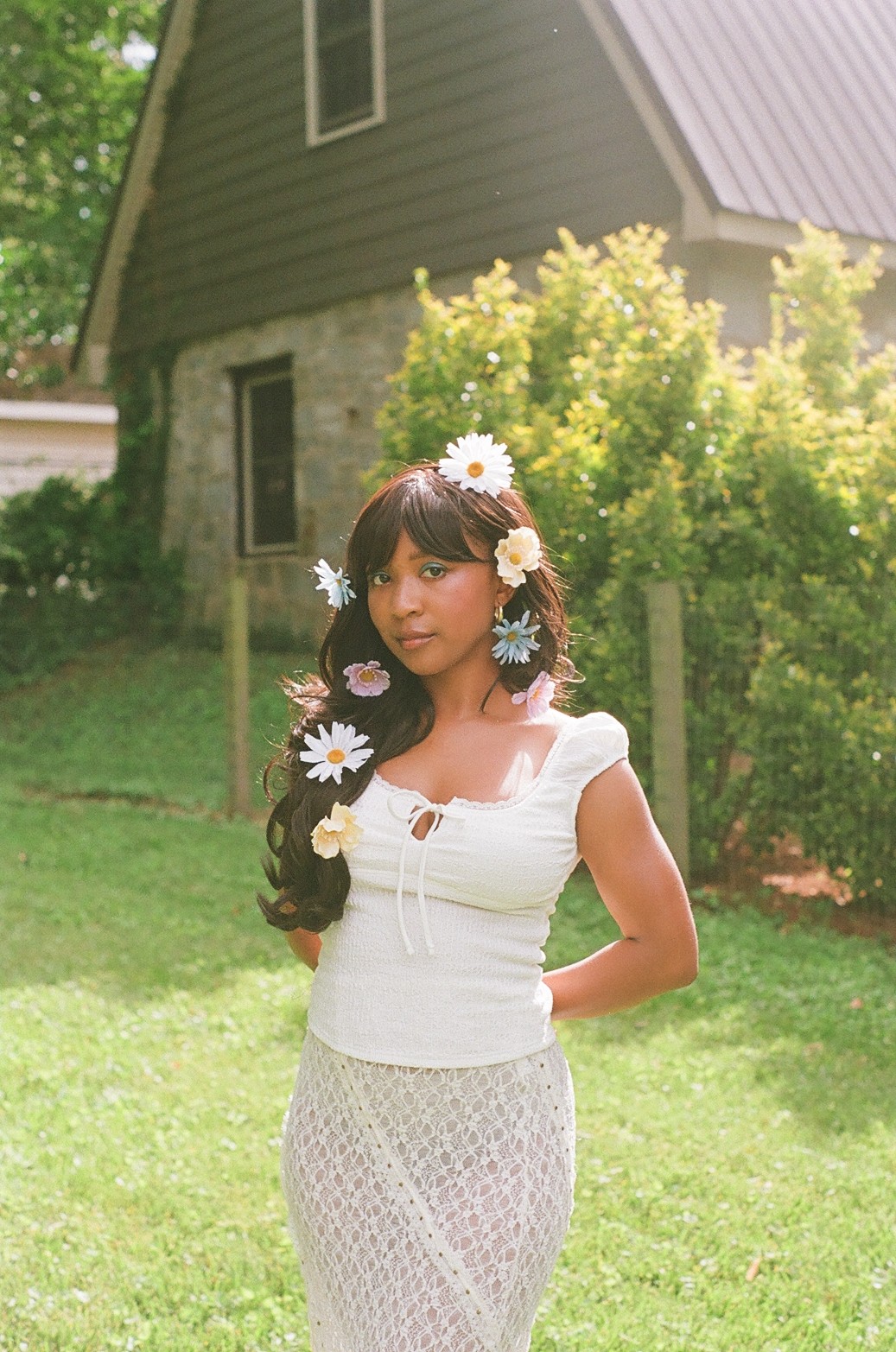
What gives Southern Prima Donna weight is the precision of that choice. Nia J does not leave the South behind. She stays inside its language, its vehicles, its religious markers, and its performance of femininity, and she uses them to name open desire and self-definition on her own terms. The EP holds that position with clarity, pacing, and control.