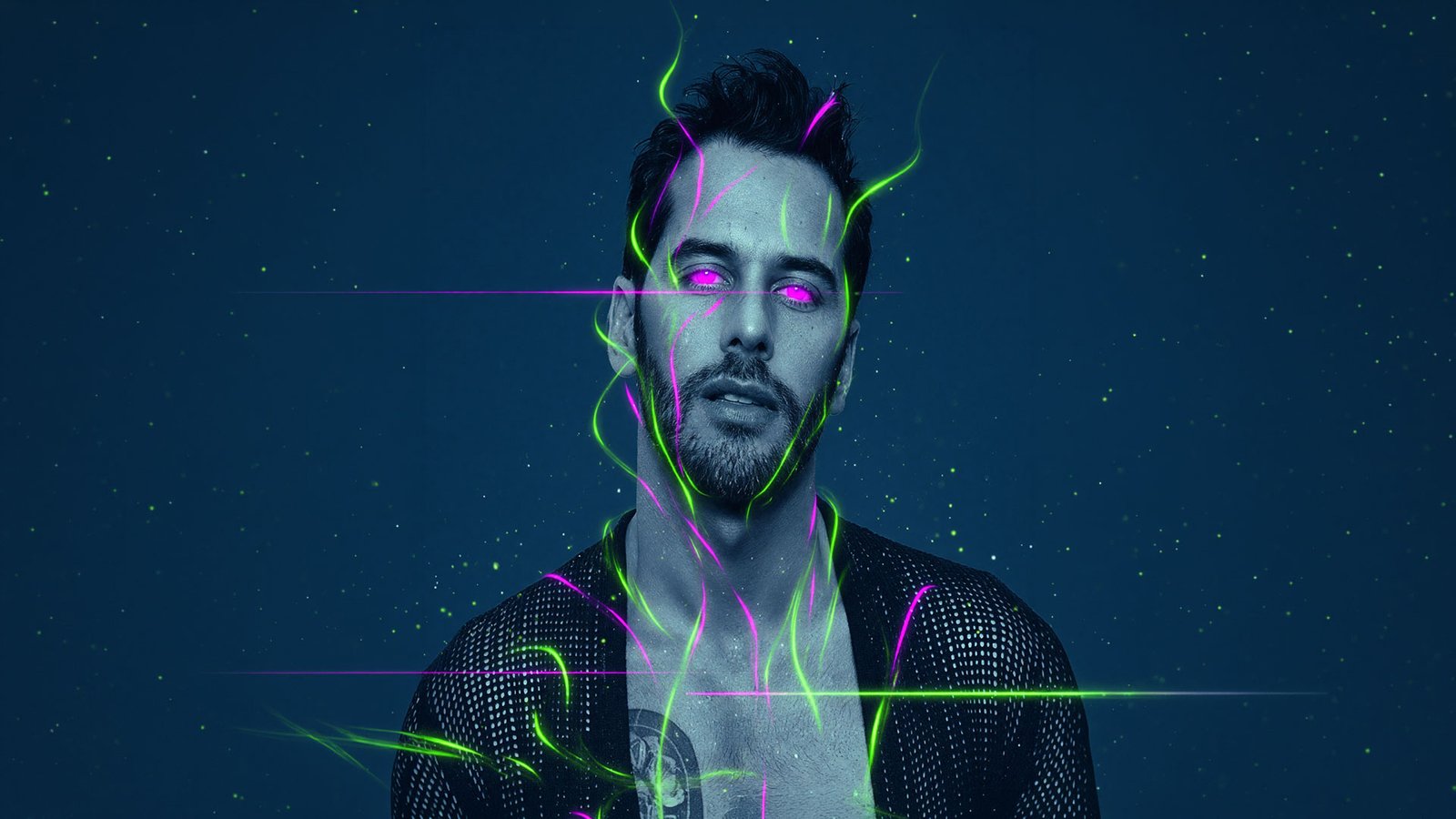
Ahmet Metin Oktay works from Istanbul under the name M3TIN and the imprint M3TIN Records. He writes the lyrics, the melody and the creative direction for each release, then has the finished track mixed and mastered by professional engineers. The label treats songs as families rather than single objects. One story is written once and then adapted, never simply translated, into other languages so that each version stands as the thing itself for the listener who meets it first. The Turkish source for this particular family, titled Yakışmadı Bize, remains unreleased for now. Das waren wir nie is the first voice the story is given in public, and it keeps the original Turkish line at its close as a quiet signature. Oktay has been open about the production: AI tools were used for parts of the vocal and instrumentation. The vocal was humanised in post, the German lyric checked by a native speaker, and the whole thing professionally mixed and mastered. The manifesto he has published puts the point plainly: the brush is not the painter. Judge the work.
In the restoration of old frescoes, technicians sometimes uncover an earlier image beneath the one that has been visible for decades. The later painting is not a lie so much as a surface that was allowed to settle over a different intention. The two images occupy the same wall, yet they never belonged to the same moment. Das waren wir nie works with that kind of double exposure. The couple in the song spent years standing in front of a picture of themselves that looked coherent from a distance. Up close, the daily weather never matched the painted sky. The German title translates as “That was never us.” The Turkish line that ends the track, Yakışmadı bize, carries a similar weight: it did not suit us, it never fitted.
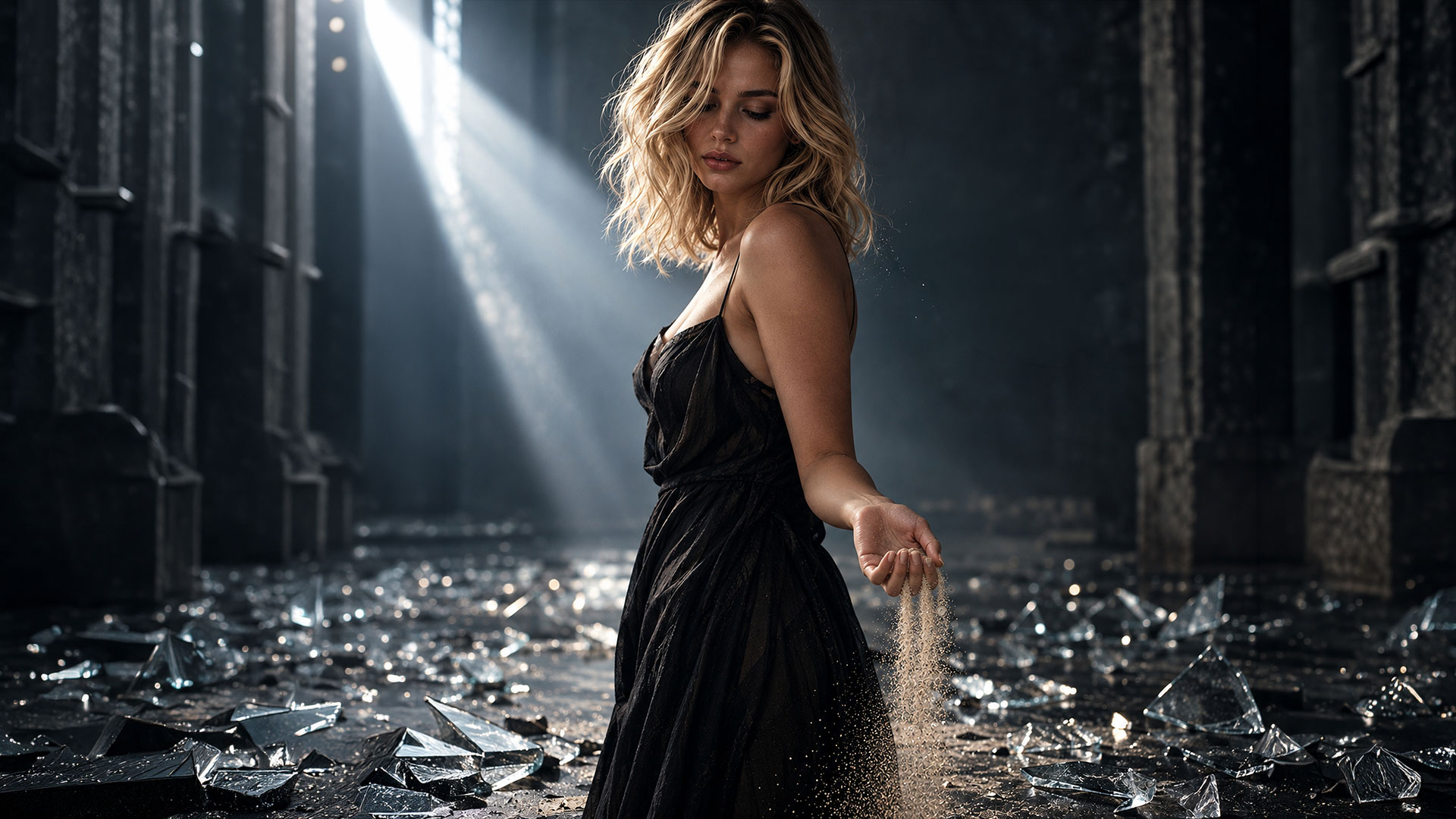
The song opens on the plain statement of shared labour. “Was wir mit eigenen Händen aufgebaut / Mit denselben Händen wieder eingerissen.” What we built with our own hands, we tore down with the same hands. There is no outside force named, no sudden accident. The years the narrator gave run through the fingers like sand. When the two speak, the words cut like glass. When they stay silent, the silence shouts. The smile no longer warms. The eyes are known by heart and still fail to see. These lines are not offered as accusation. They are offered as inventory.
The arrangement follows the same logic of construction and thinning. Fingerpicked acoustic guitar and soft piano leave the first minutes almost bare. A cello enters with a phrase that leans toward Middle Eastern contour, preparing the ear for the Turkish close without announcing it. Soft but steady percussion and low bass keep a tired walking pace. Strings rise under the choruses and then withdraw again for the quieter confessions. The production leaves room for the voice to carry the temperature rather than decorating it.
That voice is the clearest mark of the tools used. It begins close and almost spoken, yet the breath and the edges of the phrases carry the smoothed, slightly glassy consistency that AI-assisted vocals still show even after humanisation. The grain is present but regularised. When the decision to leave the conflict arrives, “Dann steig ich aus diesem Krieg jetzt aus,” the cry opens wider and the processing is more audible: the scrape has been shaped rather than left raw. The most precise moment still lands just after that peak. Everything drops for the whispered admission “Weil es dich immer noch vermisst.” Because it still misses you. The residual pulse is not romanticised. It is the part that makes the narrator angriest, the evidence that the feeling has not finished dying even after the structure has been taken down. The AI-assisted contour does not erase that drop. It simply places the fragility inside a more controlled surface.
The official video places a German-Turkish couple in Berlin-Kreuzberg. The location is not decorative. Kreuzberg has long carried layered histories of arrival, building, and the ordinary frictions of shared streets. The song’s final Turkish line sits inside the German text the way certain traces remain visible in a restored wall. Das waren wir nie does not rush the recognition. It lets the same hands that raised the picture also take it apart, and it leaves the last phrase in the language where the story began. The residual beat is still there, but the decision to stop standing in front of the painted backdrop has already been taken. The voice that carries it has been shaped by the tools Oktay chose to use. The work stands for judgment on those terms.