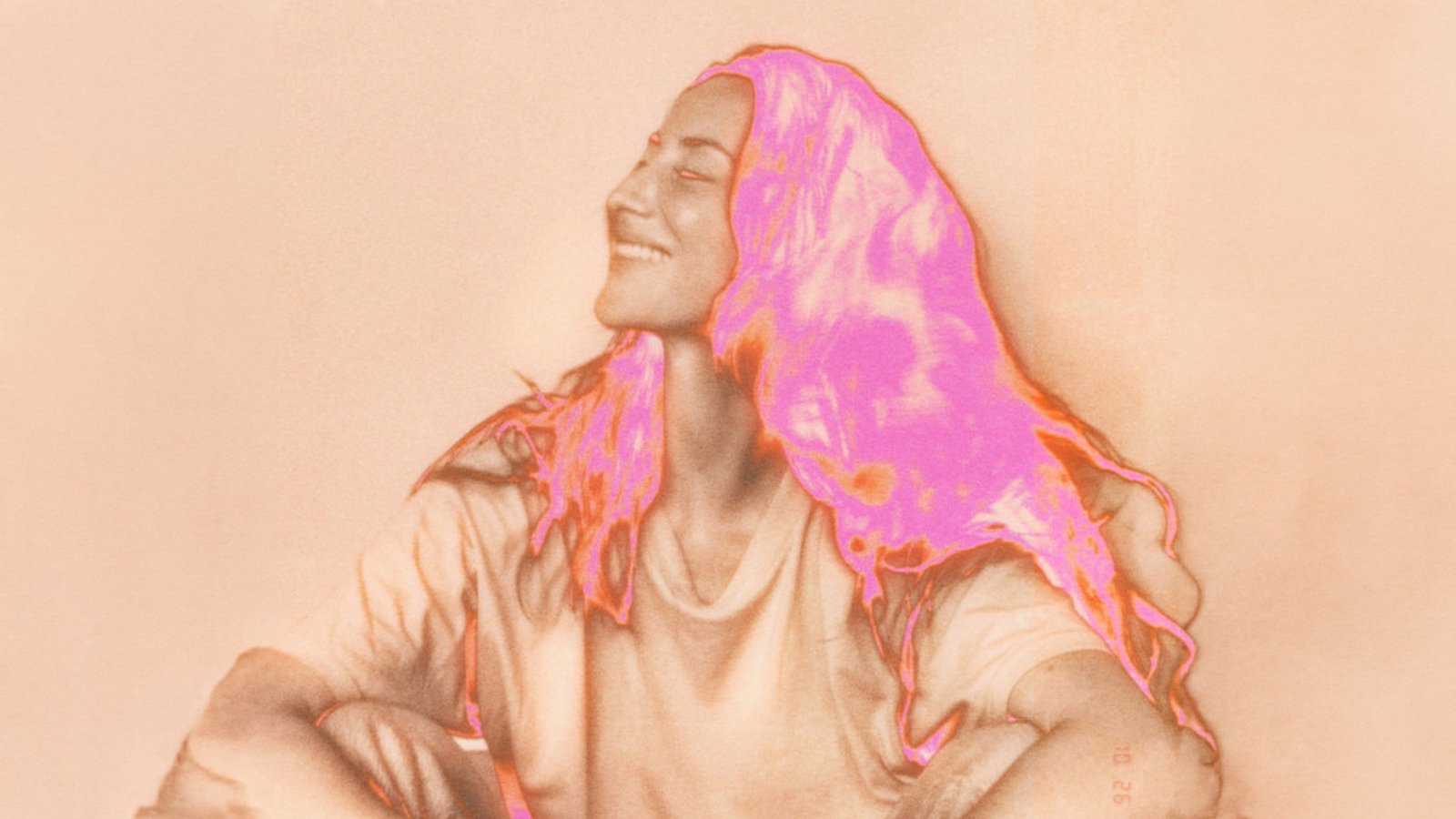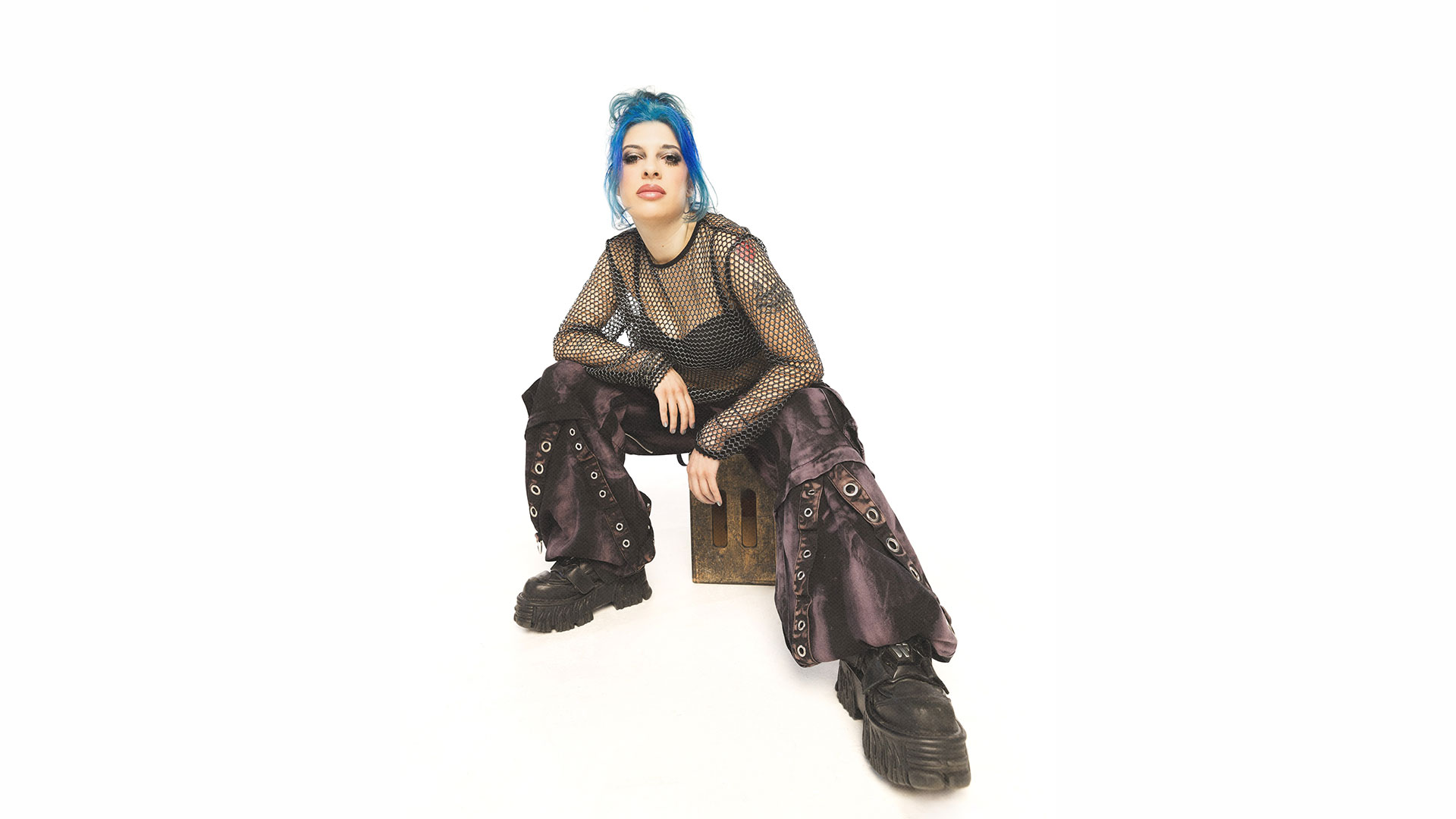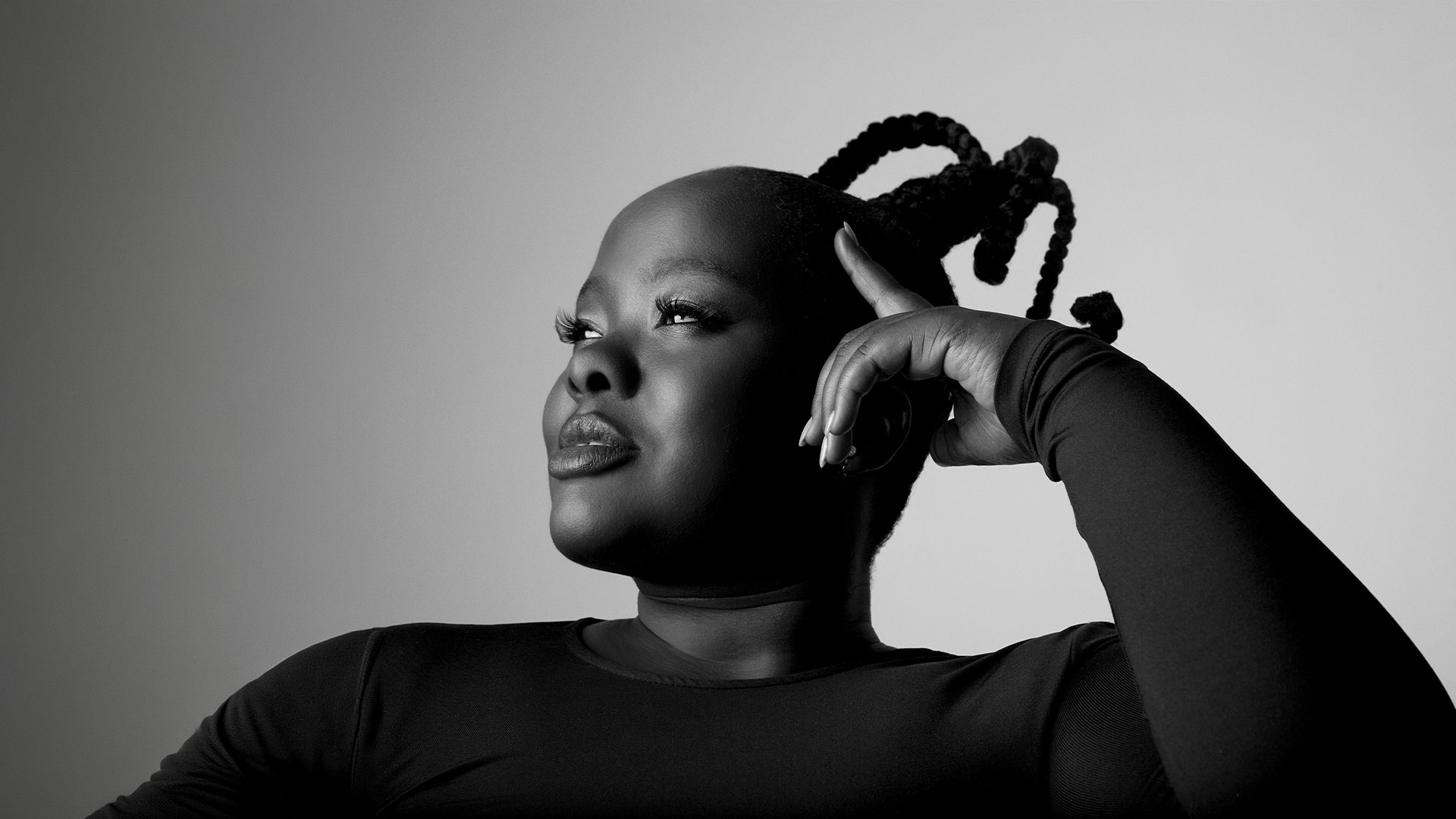
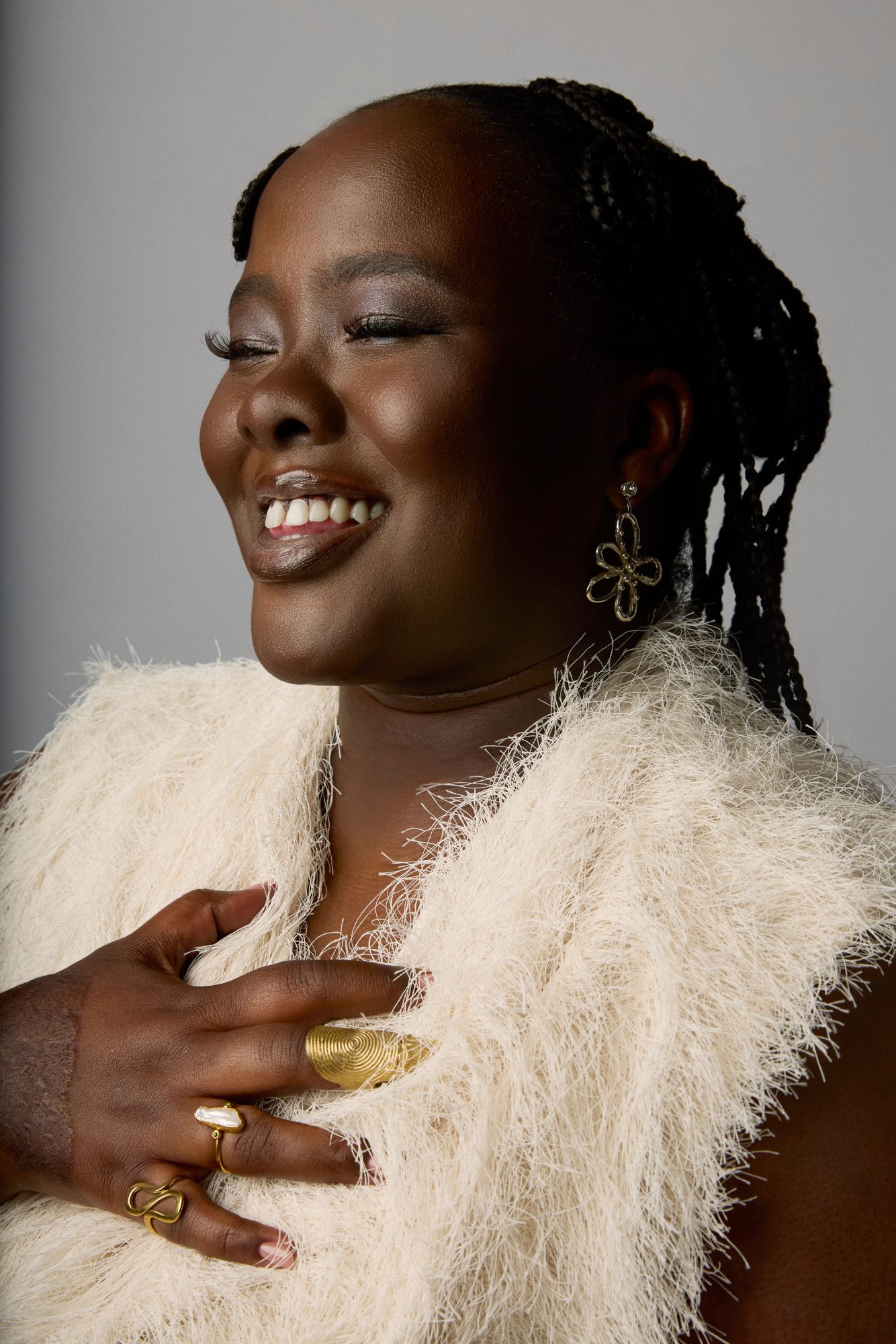
NNAVY has spent the last several years building a career that refuses to wait for permission. Born in Lausanne as Florine Gashaza, she began releasing music from her bedroom, put out four EPs, played COLORSxStudios, opened for Lionel Richie at Montreux Jazz Festival, and completed a 60-date tour in 2024 with no label behind her. In 2025 she won Best Act Romandie at the Swiss Music Awards. The debut album I’ll Wait For You, out now via NNAVY Records through Absolute Label Services, arrives after that long independent stretch and carries the weight of someone who has already learned what it costs to stay present without a safety net.

There is a particular kind of Swiss railway clock whose second hand pauses for a fraction of a second at the top of each minute before it leaps forward. The pause is not a malfunction. It is engineered so that the next movement lands cleanly, so that the system remains legible even when the train is late or the platform is crowded. Listening to I’ll Wait For You feels like sitting with that same calibrated pause. The record is full of people who are still deciding whether to step forward, step back, or simply remain where they are. NNAVY does not treat the pause as drama. She treats it as structure. The waiting is not decoration around the songs. It is the architecture that holds them.
The album opens with “Slowly Burning,” a track that begins in the plain knowledge that time may run out. The line “If I don’t make it another day / I wanna see you blow away the pain” sits against a measured groove of electric piano, deep bass and a saxophone that arrives only after the tension has already been named. The voice moves from a close, almost spoken register into stacked harmonies that feel like bodies leaning in. Later the same impulse returns in different clothes. “Late Nights” refuses the easy blame of a one-night encounter. “Don’t come too close to the flame” is offered less as warning than as shared knowledge. The production keeps the drums dry and the keys soft, so the heat stays in the phrasing rather than in the arrangement. Desire is present, but it is not allowed to erase the person who is feeling it.
Toxic attachment receives its own sequence of rooms. “I’ve Tried” strips almost everything away until the piano is left alone with the admission “But you are my poison and I am addicted.” The voice stays low and close, then opens only at the end, when the attempt to leave has already failed again. “Why” turns the same material inward. The questions about vulnerability and staining rooms give way to the blunt ownership of “This is on me.” Acoustic guitar enters as the confession lands, then horns thicken the air without ever lifting the weight. “Distance” makes the boundary concrete. “That’s why I keep you out my telephone” is sung over a relaxed neo-soul pulse that never accelerates into confrontation. The decision is already made. The groove simply confirms it.
Self-worth and the body arrive with equal clarity. “In My Room” names the private arithmetic of exclusion: “Where do I fit? / Not in my jeans” and the colder calculation “’Cause if I’m heavy / I’m undeserving / Of love.” The arrangement stays soft and padded, electric keys and stacked voices creating a kind of acoustic insulation. The voice does not raise the temperature. It simply stays present inside the numbness the gin is meant to produce. “Colours” widens the frame. “It’s our revolution” and “I give all my colours, I know it’s my calling” move against a funk-leaning neo-soul groove whose horns and guitar feel communal rather than declarative. The pride is not performed as spectacle. It is treated as a fact that has already survived several attempts to erase it.
Grief occupies its own measured space in “Birthday.” The opening confession “I didn’t cry on your birthday” is delivered over clean arpeggios and wide reverb. When the memory of a laugh that once filled a room can no longer be retrieved, the arrangement opens suddenly into organ, horns and a full rhythmic section. The voice moves from a thin, careful falsetto into a repeated “I don’t remember” that is no longer private. The brother who is gone is not reanimated. The song simply refuses to let the forgetting happen in silence. Elsewhere, “My Everything” and the title track reverse the direction of the waiting. “Promise you’ll wait for me” is answered later by “I’ll keep my hand out for you” and “I’ll be there till the sun grows cold.” The title track builds from a sparse electric guitar into a gentle electronic pulse, then clears the drums so that the final vocal counterpoint can sit exposed. The promise is not grand. It is specific.
“Be Okay,” featuring Jake Isaac, offers the shortest hand across the gap. The reminder that pain is temporary sits inside the same warm, unhurried production that runs through the rest of the record. “Get Away” is the one track that refuses the pause. Its eurodance pulse and ragga-inflected phrasing turn the dancefloor into a temporary exit. “Get away, baby, I wanna break out” is less an anthem than a practical request. The body is allowed to move before the next decision has to be made.
What holds the album together is the refusal to treat any of these states as final. The production, built around deep bass, soft keys, selective horns and a voice that can move from a close whisper to a clear upper register without losing its centre, keeps every song at a temperature the listener can actually inhabit. NNAVY has already proved she can tour without a label and win recognition on her own terms. I’ll Wait For You shows what that independence sounds like when it is applied to the slower work of staying in a room long enough to know whether the next person, or the next version of the self, is actually going to arrive.