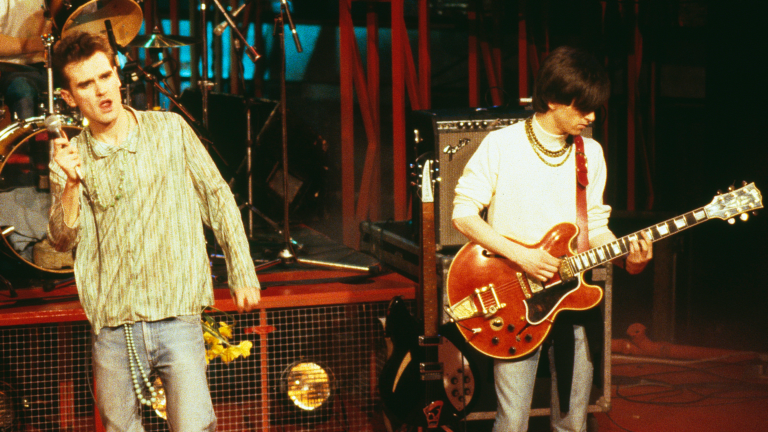
In the band’s formative years, a young Robert Smith channeled a very English repression into a pop song that refused to fade.
The early songs of The Cure often arrived wrapped in a specific, strained innocence. They were brief, melodic, and deceptively simple, with lyrics that spoke of vulnerability in a voice that seemed to hold it back. For a young Robert Smith, this tension wasn’t just an artistic choice. It was a reflection of the environment that shaped him.
He has spoken of the peer pressure to conform, a particularly English encouragement for boys not to show emotion. That cultural restraint became a foundational element in his songwriting. The feeling was there, but it was compressed, delivered with a flat, almost resigned vocal tone that made its presence all the more potent.
This dynamic crystallized in the 1979 single “Boys Don’t Cry.” Smith himself would later call such early pop songs “naive to the point of insanity.” The description fits. The track is a masterclass in emotional economy, its two-and-a-half-minute frame containing a world of regret and suppressed feeling. The lyrics articulate a clear apology, a plea for a second chance after a failed romantic gesture, but the musical delivery—the jangling guitars, the steady, unhurried beat—creates a distance. It’s as if the narrator can only admit these things while staring at the floor.
Produced by Fiction Records founder Chris Parry and written by the original trio of Smith, Michael Dempsey, and Lol Tolhurst, the song was initially a UK standalone single. Its enduring power, however, ensured it became the title track for the reconfigured American release of the band’s debut album the following year. It marked a definitive point in their development, a blueprint that proved quiet confession could be as powerful as loud angst.
The song’s legacy lies in that contradiction. It is both a perfect pop construct and a subtle act of rebellion against emotional silence. Smith didn’t tear down the wall of repression. He simply let the sound leak through the cracks, and in doing so, created something that refused to be forgotten.
Join the Club
Like this story? You’ll love our monthly newsletter.
Thank you for subscribing to the newsletter.
Oops. Something went wrong. Please try again later.

ROMBO Editorial Staff
The collective voice behind ROMBO Magazine’s news, reviews, features, and cultural coverage.