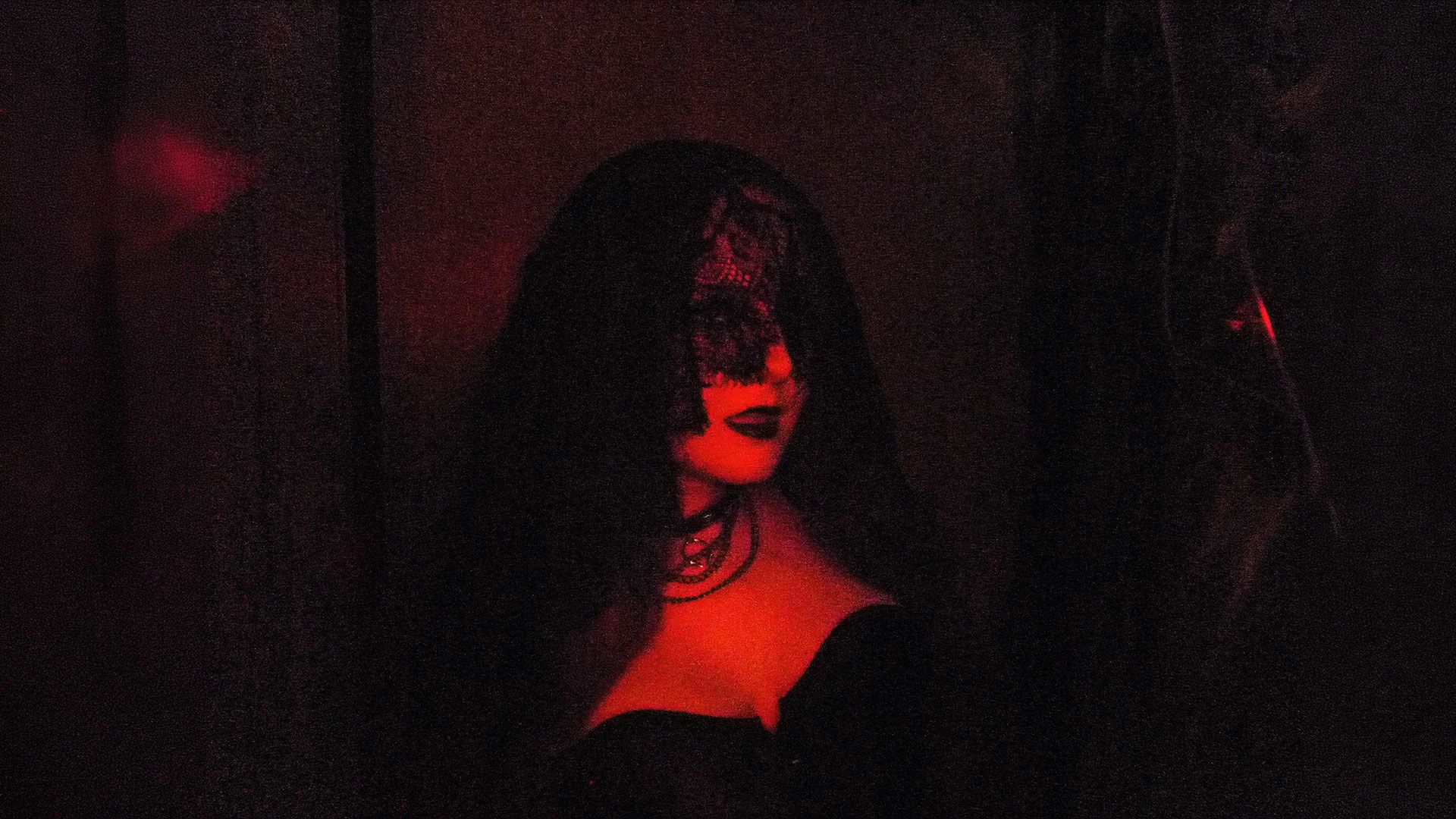
Most people have held a phone past midnight with a message half-typed, screen bright, then locked it again without sending. The act of almost calling is its own conversation. It names the person who is not there and, in the same motion, confirms who is. Sara Diana’s Phantom lives inside that almost.
She is a Miami singer-songwriter who began releasing music while still in her late teens. Pocket Poetry arrived in 2023, followed the next year by the Can’t Be Fazed EP, a set that treated survival and the refusal to be shaken as practical rather than heroic. Subsequent singles moved between the body (Body Ache), the private escape (Vegas), and the image that resists being fully known (Her Hair’s Like Fire). Phantom, out on Halloween through Screamers and Dreamers, continues the same interest in what a person does with the material that surfaces once the performance of the day is finished.
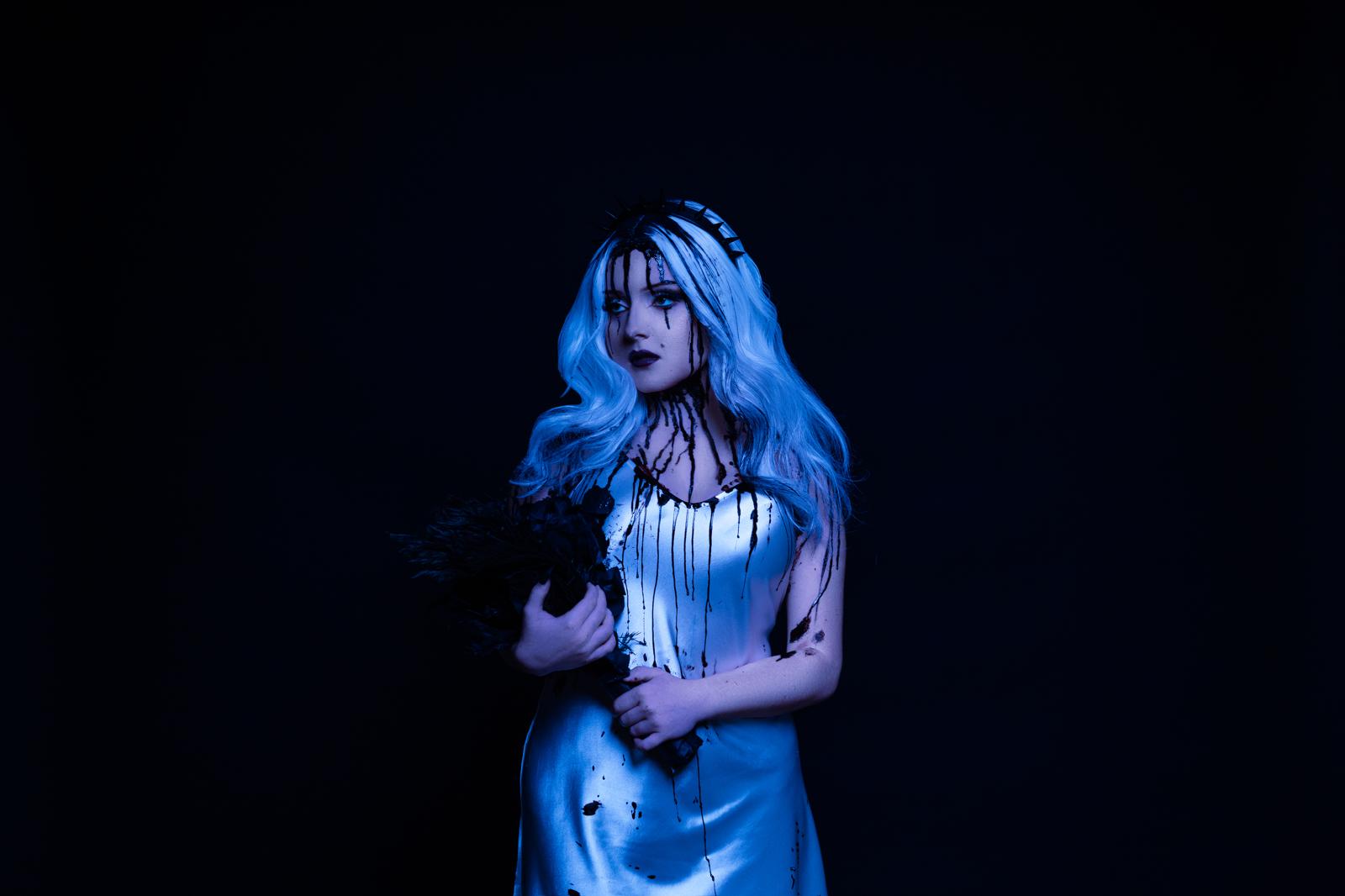
The song opens by addressing the hour itself. “When it’s late at night, are you wide awake?” and “And when you’re all alone, what goes through your head?” are not rhetorical. They set the condition under which the rest of the lyric can operate. The phone appears next, not as a prop but as the object that both offers and withholds company: “When you pick up the phone, could you hear what they said?” The answer is already known. What follows is an inventory conducted in the second person, which is also the first. “I know your inhibitions, your hidden fantasies” and “I see your inner thoughts, come on, answer the call” name the material that the daylight version of a person usually keeps folded. The offer to “give it all” is less seduction than recognition. The speaker already sees the gap between what is wanted and what the heart will actually allow.
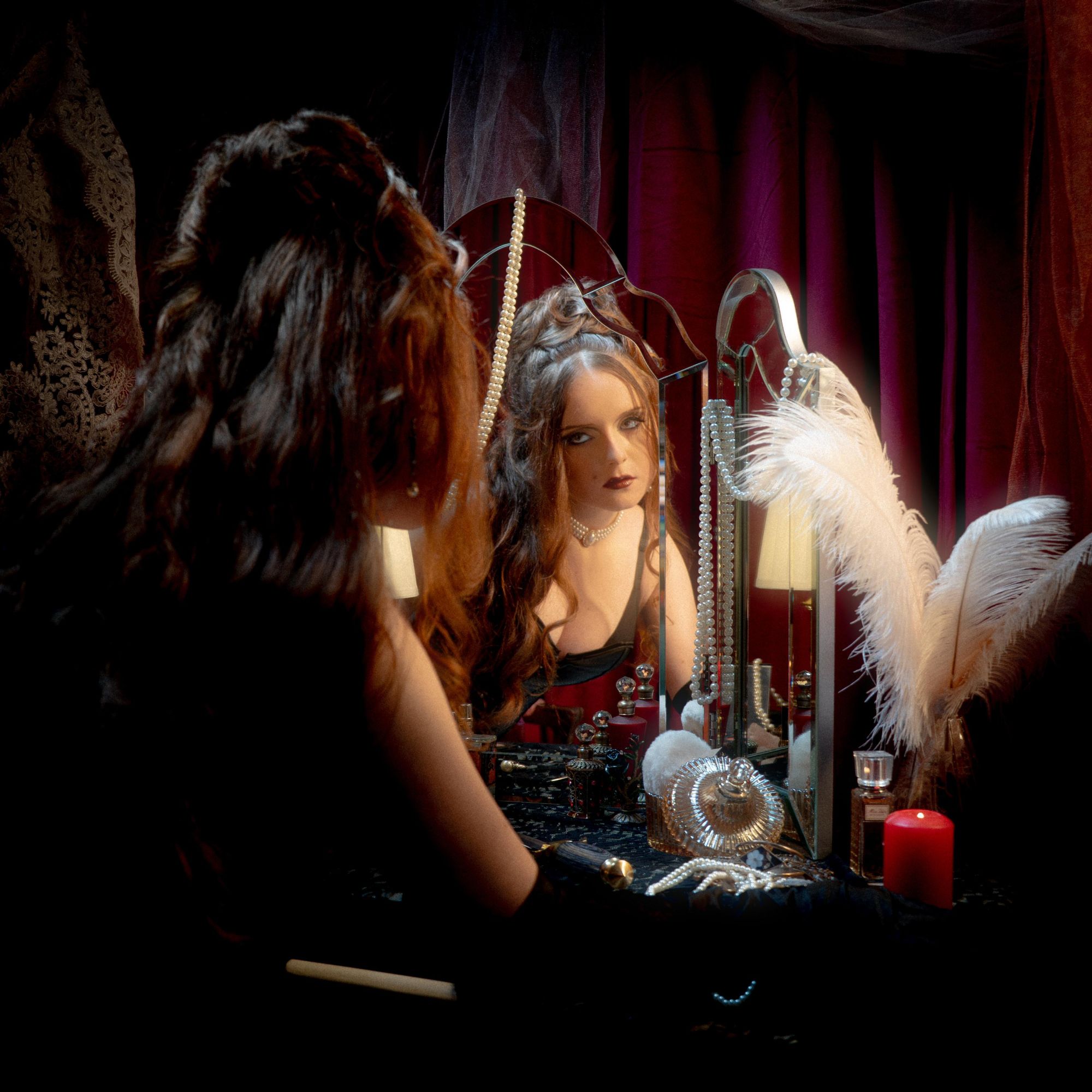
The chorus keeps calling the figure by name. “Phantom, phantom, rise for me” arrives with more air and more urgency than the verses that surround it. The voice moves closer when it is naming the hidden material, then lifts and tightens when it asks the figure to appear. The shift does not dramatize a transformation so much as mark the moment when the private inventory becomes a demand. Immediately after, the lyric returns to the plain accounting: “You’re lost and confused and you don’t know your way / But you’re all that you have at the end of the day.” The line is repeated often enough that it stops functioning as a hook and starts functioning as a statement of fact.
The bridge makes the mechanism explicit. “When the night goes dark / We’re reminded of the parts of us that we hide.” The production supports the reminder without illustrating it. A steady kick and pulsing bass keep the floor possible, while the brighter arpeggios arrive in the chorus the way a thought that has been held down all day finally finds a place to stand. The contrast is structural rather than decorative. The body can keep moving. The accounting still happens.
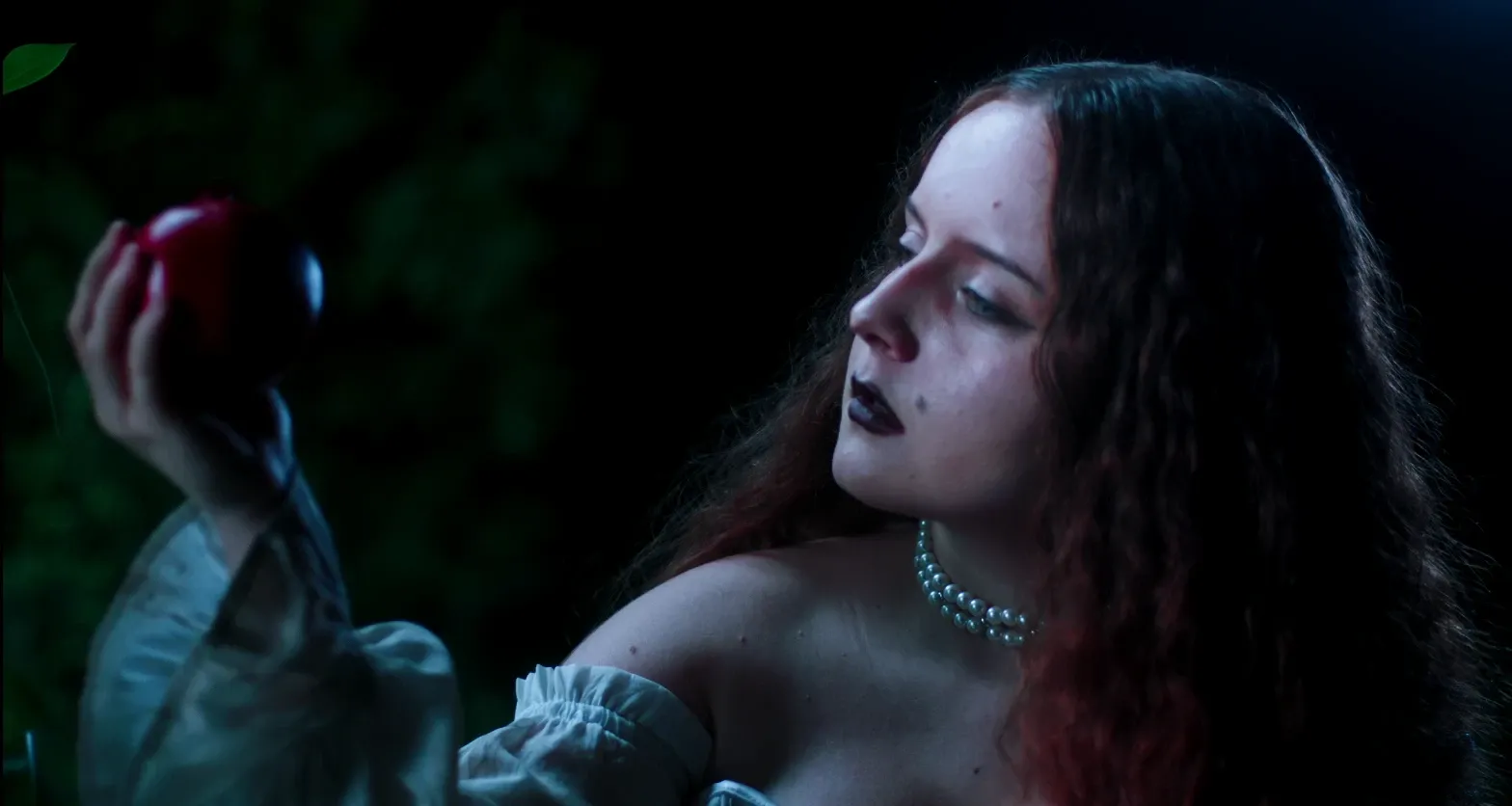
By the time the vocalise appears, high and almost weightless, the negotiation has already been completed. The figure that was summoned is not an external visitor. It is the version of the self that only has a name after midnight, the one that knows the inhibitions, the fantasies, and the precise cost of feeling forgotten. Phantom does not resolve that knowledge into comfort or spectacle. It simply keeps the light on long enough for the inventory to be finished, then lets the last held note hang in the room the person is still occupying alone.