At 40, SXSW still offers one of music’s most concentrated discovery environments. The difference is that discovery no longer arrives as one clean narrative, one dominant scene, or one obvious next big thing.
There was a time when SXSW could be described in simpler terms. You went to Austin to catch the temperature of what might break next. You looked for the band with the longest queue outside a club, the set that turned industry chatter into consensus, the artist who seemed to gather a future around them in real time. That myth still lingers around the festival, and part of SXSW’s cultural durability comes from the fact that it was once one of the clearest places where discovery could be seen happening in public.
SXSW 2026 still matters, but it matters differently now. The festival’s 40th year runs from March 12 to 18 in Austin, with hundreds of showcasing artists and a broad network of presenters, publications, labels, and curators folded into the same urban sprawl. The scale alone remains significant. The first wave brought 100 showcasing artists and 50 showcase presenters, and a later announcement added more than 300 new artists from around the world. The point is no longer that one act will emerge and define the week. The point is that SXSW remains one of the few places where the fragmentation of contemporary music becomes visible all at once.
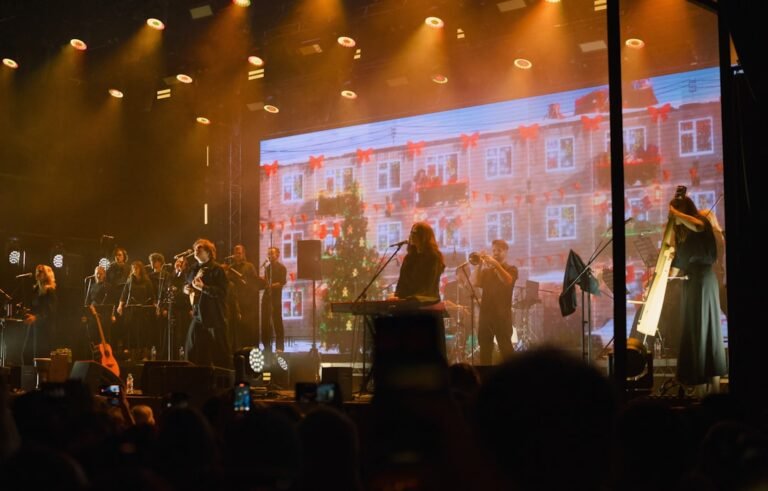
A useful visual entry point into the SXSW environment and the wider culture around festival discovery.
Discovery after the monoculture
The old fantasy of discovery depended on a narrower culture. Fewer gatekeepers controlled attention, fewer platforms set the pace, and fewer artists were competing across the same field at the same time. In that environment, a festival showcase could function like ignition. It could compress taste, influence, industry presence, and momentum into one memorable set. That model has not vanished, but it no longer explains the whole picture.
Now discovery is dispersed. It happens on short-form video, inside niche Discords, through regional scenes, on Bandcamp, through playlist economies, and via algorithmic drift that can elevate a track before a city has fully claimed it. By the time artists reach Austin, some are already globally legible in small but intense ways. Others are still local. Others arrive with media support but without a scene around them. SXSW does not solve that complexity. It stages it. That is why it still matters.
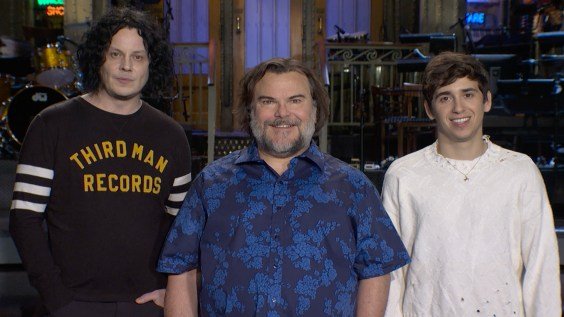
This clip works as a companion to the article’s central point: discovery now moves through multiple scenes, speeds, and forms of attention.
Austin as a live index
What SXSW still does unusually well is density. It places artists, journalists, labels, promoters, curators, and international delegates inside the same civic circuit for a week. The official framing for 2026 leans hard into that role. SXSW describes showcasing artists as the beating heart of the music festival and presents the event as a meeting point for global scenes, emerging talent, and established industry infrastructure. That language is promotional, but the underlying logic is true enough. Austin becomes a temporary index of how music travels now.
The 2026 lineup reinforces that international breadth. Early announcements highlighted artists across multiple countries and genres, while later additions expanded the roster with names such as Sassy 009, Javiera Electra, DJ AG, Deloyd Elze, MARCO PLUS, Oscar Ortiz, Hannah Cohen, and TTSSFU. Even taken as a partial snapshot, the programming suggests a discovery field built less around one center than around many overlapping peripheries. That is a more interesting structure than the old industry fantasy of unanimous buzz.
The presenter era
Another shift is the increasing visibility of presenters as part of the festival’s meaning. The list for SXSW 2026 includes Billboard, NPR Music Stations, Rolling Stone, the British Music Embassy, De Los from the Los Angeles Times, BMG, BBC Introducing, and The Line of Best Fit, among others. This matters because discovery now depends less on a single tastemaker and more on a layered ecology of institutions that validate different kinds of artists for different audiences.
That makes SXSW less romantic and arguably more useful. The festival is no longer only a place where an artist is found. It is a place where artists are framed, translated, and routed into different circuits of meaning. Some will leave Austin with press. Some with booking momentum. Some with international partnerships. Some with nothing immediate except a stronger sense of where they sit in the larger map. For an independent magazine, that complexity is exactly where the story lives.
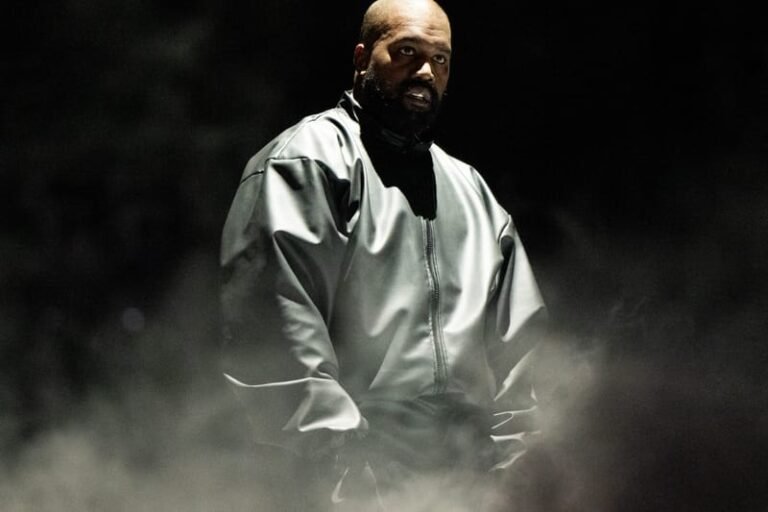
Placed here, the video extends the article’s focus on framing, circulation, and the live machinery around discovery.
What still deserves attention
The real editorial challenge is not whether SXSW still matters. It does. The challenge is how to read it without falling back on inherited clichés about buzz, breakouts, and overnight arrival. At 40, SXSW is still a powerful discovery machine, but the machine no longer produces one clean result. It produces signals, partial alignments, and evidence of where culture is moving before consensus catches up.
That is why the right way to cover SXSW in 2026 is not with a generic roundup of names. It is with sharper selection. Which artists feel rooted in an actual scene rather than a temporary narrative. Which performances reshape the room rather than merely occupy it. Which regional currents are arriving with their own language, image, and momentum. Austin still matters because it remains one of the few places where those questions can be asked at scale, in public, and against the noise of the entire industry.
SXSW used to promise the next big thing. What it offers now is more demanding and, in some ways, more valuable: a chance to see how music discovery actually works when the culture is fragmented, global, over-documented, and still hungry for surprise.