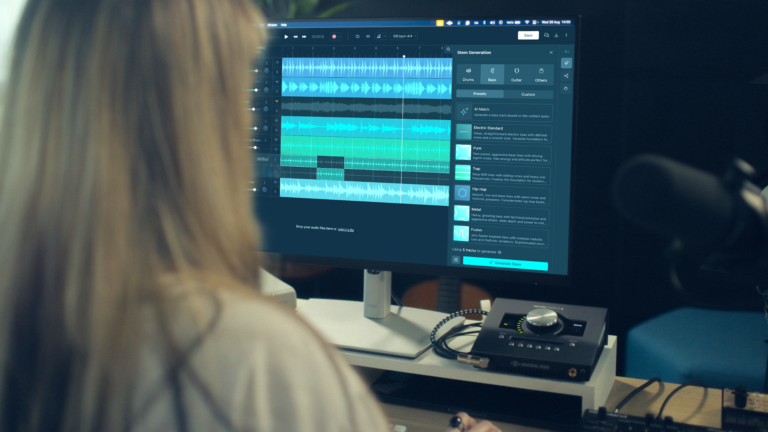
The AI music company once known for training on unlicensed material is now rolling out industry-backed models, download limits, and a watermarking system. The move reflects broader legal and consumer pressure on AI-generated music.
The shift in AI music generation has moved from unlicensed scraping toward licensed partnerships. Suno, the company most associated with the former approach, has announced new models trained on licensed data, download limits, and a watermarking system for AI-generated tracks. CEO Mikey Shulman’s recent blog post outlines a shift toward responsibility after years of tension.
Chief Product Officer Jack Brody told MusicRadar that the V6 launch was “developed in partnership with the industry” and informed by feedback from musicians. That language follows legal pressure: Suno previously admitted training early models on copyrighted music without permission. Lawsuits, label collaborations, and the growing availability of in-house training data have made scraping less viable.
The move arrives amid wider consumer and creator scepticism. A 2025 BPI study found that 82% of respondents believe human creativity is essential to music, and 81% want fully AI-generated music labelled. Spotify has begun removing AI-generated content it considers spam. A Muse Group survey of 1,200 musicians found that while 78% are open to using some form of AI, 81% want stronger rules and transparency.
The question now is not whether AI tools will exist, but which companies can offer a version musicians won’t distrust. Suno’s pivot is one data point in that broader negotiation.
Join the Club
Like this story? You’ll love our monthly newsletter.
Thank you for subscribing to the newsletter.
Oops. Something went wrong. Please try again later.

ROMBO Editorial Staff
The collective voice behind ROMBO Magazine’s news, reviews, features, and cultural coverage.