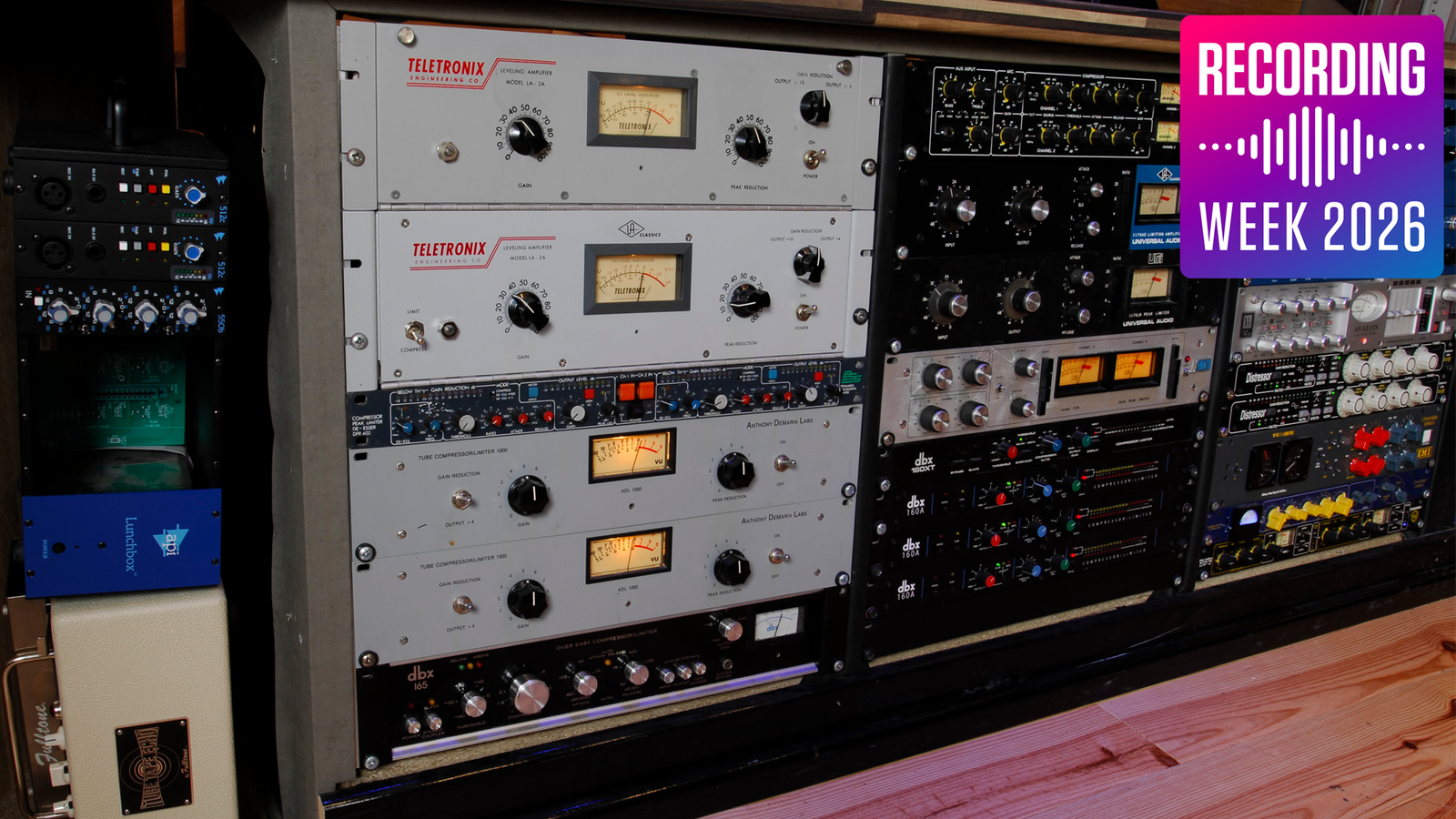
The argument about hardware outboard gear stopped being about sound quality some time ago. What remains is workflow, habit, and the fact that a rack full of equipment is a commitment you can see and touch.
Recording Week 2026 has brought the question back into circulation: if digital clones are now so exacting, why do engineers keep buying the originals? The answer starts with history. Before laptops carried everything, if you needed a specific effect you bought that effect, physically. Guitarists still fight this out in public, defending analog pedalboards where each box supplies its own tone colour, while others travel with a single multi-effects unit or a laptop for maximum flexibility.
Studio gear followed a different logic. Effects conformed to the 19-inch rack mount, with height measured in U, one U being 1.75 inches. The more units you owned, the more rack space you needed, which is why some rooms ran equipment from floor to ceiling. In professional setups, that kit was hardwired to a patch bay and reached by plugging in a patch cable, the clunk of the connection confirming the signal path. It was satisfying, and it was fragile. Dirty contacts meant keeping contact cleaner within reach. Plugins do not fail that way.
Three decades on, many of those racks have been streamlined, sold, or replaced by software. What persists is not simply nostalgia, but a preference for equipment that takes up room, needs maintenance, and cannot be summoned with a click.