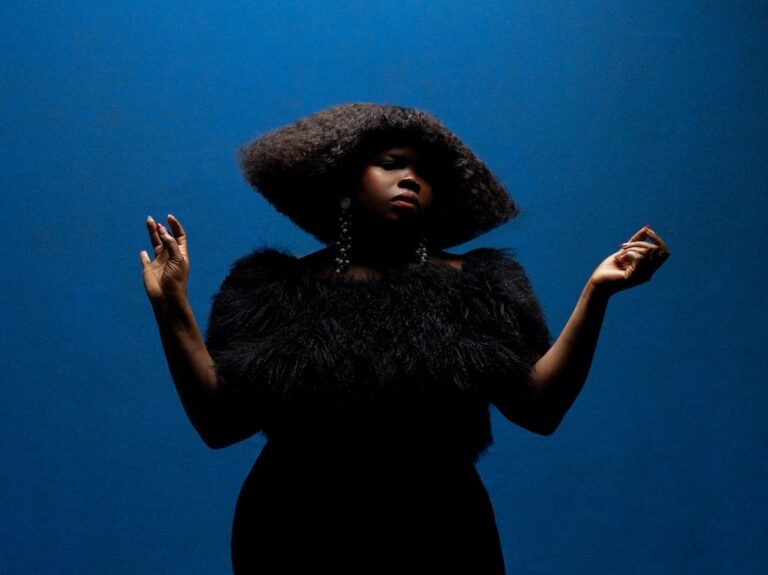
The singer’s foundational message of self-love is being tested by personal transformation and public controversy.
Lizzo built a pop empire on a specific, celebratory truth. Her anthems, like “Good as Hell” and “Truth Hurts,” became generational slogans of self-acceptance, turning her personal journey into a public mission. That mission now exists on unsteady ground, caught between her own physical transformation and serious allegations from former collaborators.
Her rise was a slow burn. A musician long before she was a superstar, she moved from Houston to Minneapolis, earning a nod from Prince years before her major label deal. Her breakthrough felt like a victory for persistence, her music a burst of unapologetic joy that connected deeply. For a period, she was inescapable, her message syncing perfectly with a cultural moment.
Recent years have introduced complexity. Her visible weight loss has sparked conversation among fans who saw her body as a core part of her empowering brand. This personal change intersects with professional turmoil, including lawsuits from former dancers alleging a hostile work environment, claims which directly challenge the inclusive image her music projects.
The commercial response has been mixed. Newer singles have not replicated the chart dominance of her 2019 peak, suggesting a shift in her connection with the audience. The central tension now is how an artist defined by a message of radical self-love navigates personal evolution and serious external criticism.
Lizzo’s next chapter is not about reclaiming past chart positions, but about reconciling the artist with the individual. The music that once felt like a pure declaration now carries heavier, more complicated questions. Her reinvention is underway, but its test is whether the core message can adapt and endure.
Join the Club
Like this story? You’ll love our monthly newsletter.
Thank you for subscribing to the newsletter.
Oops. Something went wrong. Please try again later.

ROMBO Editorial Staff
The collective voice behind ROMBO Magazine’s news, reviews, features, and cultural coverage.