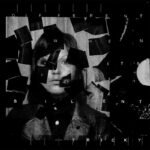
The duo’s new album summons the textures of 1960s and 1970s film scores, arranging instrumental sketches as if they were scenes from movies that never existed.
Ori Kaplan and Lihu Melamed operate on a clear premise with Reverie: every track behaves like a cue from a lost film. The album leans entirely into the instrumental language of 1960s and 1970s cinema scores—not by quoting them, but by adopting their grammar. Saxophone, surf guitar, flute, and brass assemble not as a band, but as a cast.
Opener “Merveille” sets a bright, introductory mood, the kind that might accompany a film’s first daylight scene. “Nuna” follows with a sharper swagger, brass-led and full of a specific street-level confidence. These are not abstract exercises. Each piece suggests a clear temperament: the calm stroll of “Shangri-La,” the café nonchalance of “Obelisk.” The record’s diptych closes it cleanly—“Lost Soul” begins with murmured voices and a lonely horn; “Soul Found,” a 48-second coda, plays like end credits rolling.
There’s no CGI here, no overload. The sounds are organic, the arrangements aware of the power a single melodic turn can hold. Reverie doesn’t try to sell nostalgia as novelty. It simply trusts that an imagined car chase, a desert crossing, or two people walking through a park will still register. For a listener willing to fill the screen, that trust pays out.
Join the Club
Like this story? You’ll love our monthly newsletter.
Thank you for subscribing to the newsletter.
Oops. Something went wrong. Please try again later.

ROMBO Editorial Staff
The collective voice behind ROMBO Magazine’s news, reviews, features, and cultural coverage.