Research from the University of Cambridge shows large language models can distinguish 20 jazz pianists with 94.4% accuracy, with harmony acting as the clearest marker of an artist’s style.
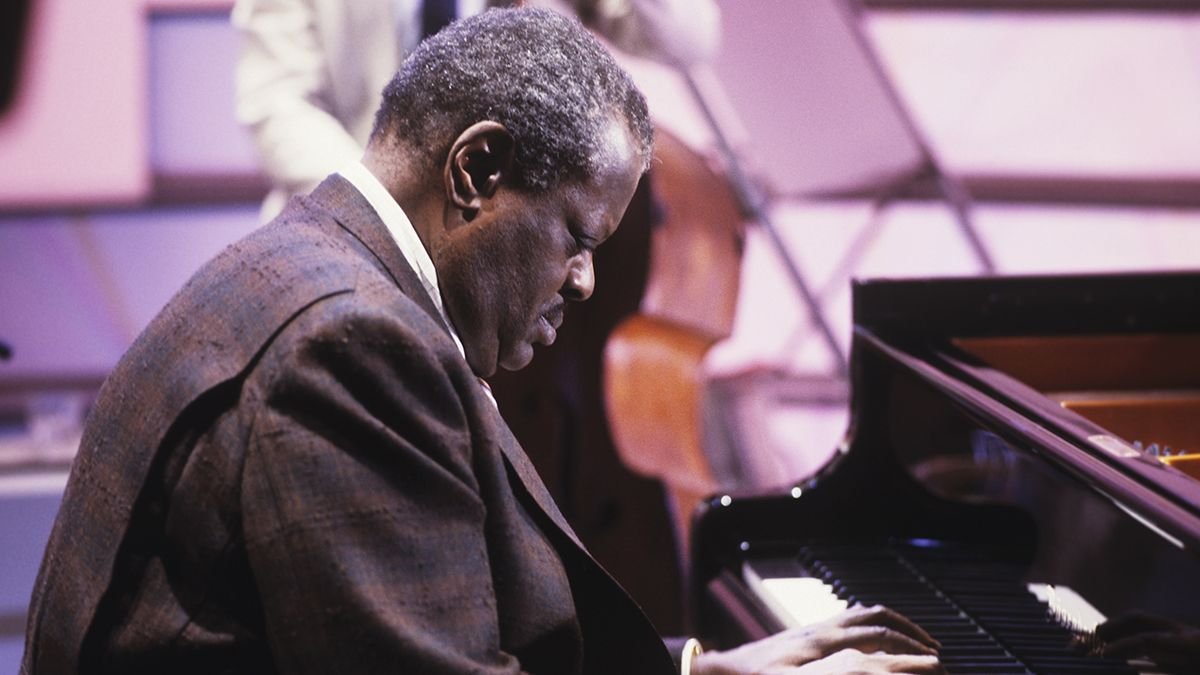
Jazz improvisation has often been treated as the part of music least likely to yield to algorithmic analysis. A paper published in Nature Machine Intelligence challenges that assumption. Researchers at the University of Cambridge, led by Huw Cheston, trained large language models on 84 hours of recordings across 1,629 performances by 20 pianists, including Bill Evans, Oscar Peterson, Thelonious Monk, Chick Corea, Keith Jarrett, McCoy Tyner and Ahmad Jamal.
After converting the audio to MIDI and mapping it on piano rolls, the best-performing model identified the pianist behind a given recording with 94.4 percent accuracy. The study’s more pointed finding is what the model used to make those calls. Harmony proved the strongest predictor, followed by rhythm and melody, while dynamics were least reliable. That ordering matters because it suggests a pianist’s harmonic choices, more than touch or timing, leave the most identifiable trace.
The authors frame possible uses beyond classification: attributing unattributed recordings, detecting forgeries, tracing influence between artists, and studying creative process. Education is also cited as an application, with the model potentially helping musicians hear what separates one player’s voice from another. The research does not make jazz mechanical. It argues that improvisation has structure precise enough to be read, and distinctive enough to name.
Join the Club
Like this story? You’ll love our monthly newsletter.
Thank you for subscribing to the newsletter.
Oops. Something went wrong. Please try again later.

ROMBO Editorial Staff
The collective voice behind ROMBO Magazine’s news, reviews, features, and cultural coverage.