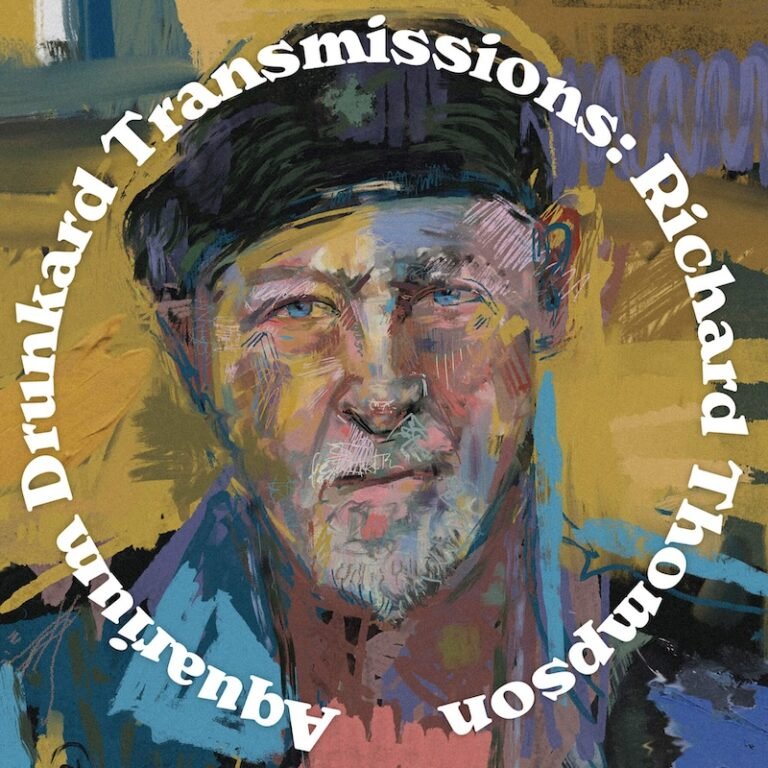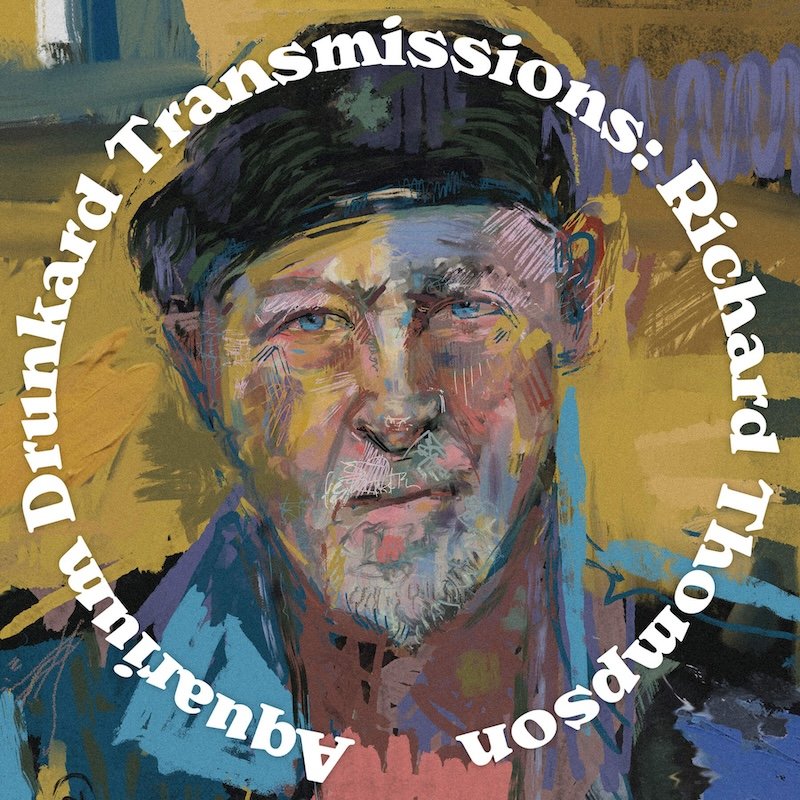
A new long-form conversation with Richard Thompson turns away from the tidy origin story and back toward the work itself, including the record Hippies, Thugs, and Heroes.
Richard Thompson is generally introduced through his beginnings. He helped establish British folk rock with Fairport Convention in the late 1960s, and that fact has followed him through every subsequent decade, useful as shorthand and limiting as biography. The interesting part has always been what came after.
In the record Hippies, Thugs, and Heroes, he still sounds like a guitarist with something unresolved to say, equally comfortable with force and restraint. A new long-form conversation places that work alongside a career that has moved between traditions without settling into any of them. The names attached to that history are substantial: Sandy Denny, his former wife Linda Thompson, Nick Drake. They are also incomplete as a portrait of a player who has kept working long past the period that made him a reference point.
Long interviews suit Thompson because his craft is technical and his instincts are literary, and both need room. A short promotional exchange flattens that into a list of achievements. A longer one lets a musician explain decisions rather than defend a legacy.
What holds attention here isn’t nostalgia for a moment in British music. It’s the persistence of a specific sensibility, one that has survived folk revivals and electric reinventions without becoming a museum piece.
Join the Club
Like this story? You’ll love our monthly newsletter.
Thank you for subscribing to the newsletter.
Oops. Something went wrong. Please try again later.

ROMBO Editorial Staff
The collective voice behind ROMBO Magazine’s news, reviews, features, and cultural coverage.