From the stages of Britpop to the score of a cinematic finale, Antony Genn’s journey reflects a deeper understanding of musical narrative.
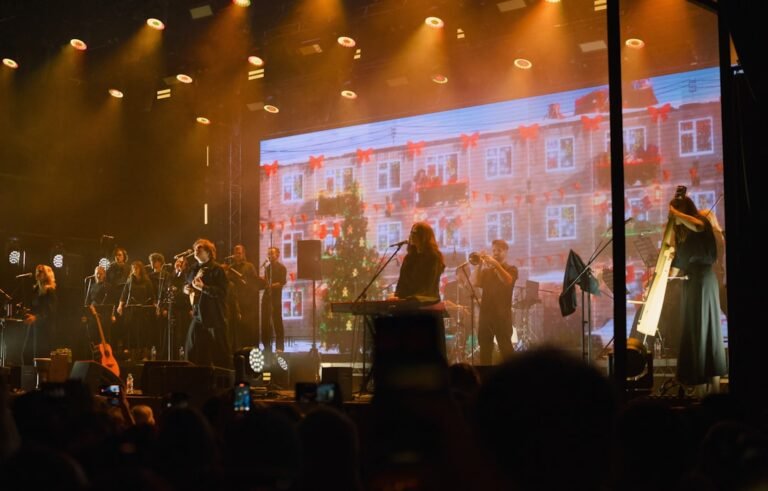
Antony Genn’s career moves through the layers of British music culture, from the visceral pull of a live band to the meticulous craft of cinematic scoring. His presence in the 1990s, as a guitarist for Pulp and later with Elastica, placed him within a specific moment of pop spectacle. That experience of constructing atmosphere for large audiences now informs his work in a more solitary, narrative-driven field.
His ongoing contribution to the world of Peaky Blinders, culminating with the score for the final film The Immortal Man, demonstrates a shift in creative focus. The music for the series has always functioned as a vital character, a blend of period authenticity and anachronistic tension. Genn’s approach to scoring extends this language, treating the film not as a standalone piece but as the closing movement of a much larger composition. His process is one of emotional cartography, mapping the internal landscapes of characters whose dialogues are often glances and silences.
This transition from touring musician to composer is less a reinvention than a refinement of a fundamental skill: the manipulation of mood. The dynamism required for a festival stage translates into the dynamic range needed for a cinematic climax. There is a physicality to his score, a recognition that the tension in a scene can be felt as much as heard, a principle learned in the roar of a crowd and now applied to the quiet of a scoring stage.
Genn’s path illustrates a continuity of artistic purpose. The same sensibility that once helped define the grandeur and grit of Britpop now defines the auditory texture of a major British drama. His work on The Immortal Man serves as a point of convergence, where a lifetime of musical intuition is focused into the precise demands of a story’s end.
Join the Club
Like this story? You’ll love our monthly newsletter.
Thank you for subscribing to the newsletter.
Oops. Something went wrong. Please try again later.

ROMBO Editorial Staff
The collective voice behind ROMBO Magazine’s news, reviews, features, and cultural coverage.