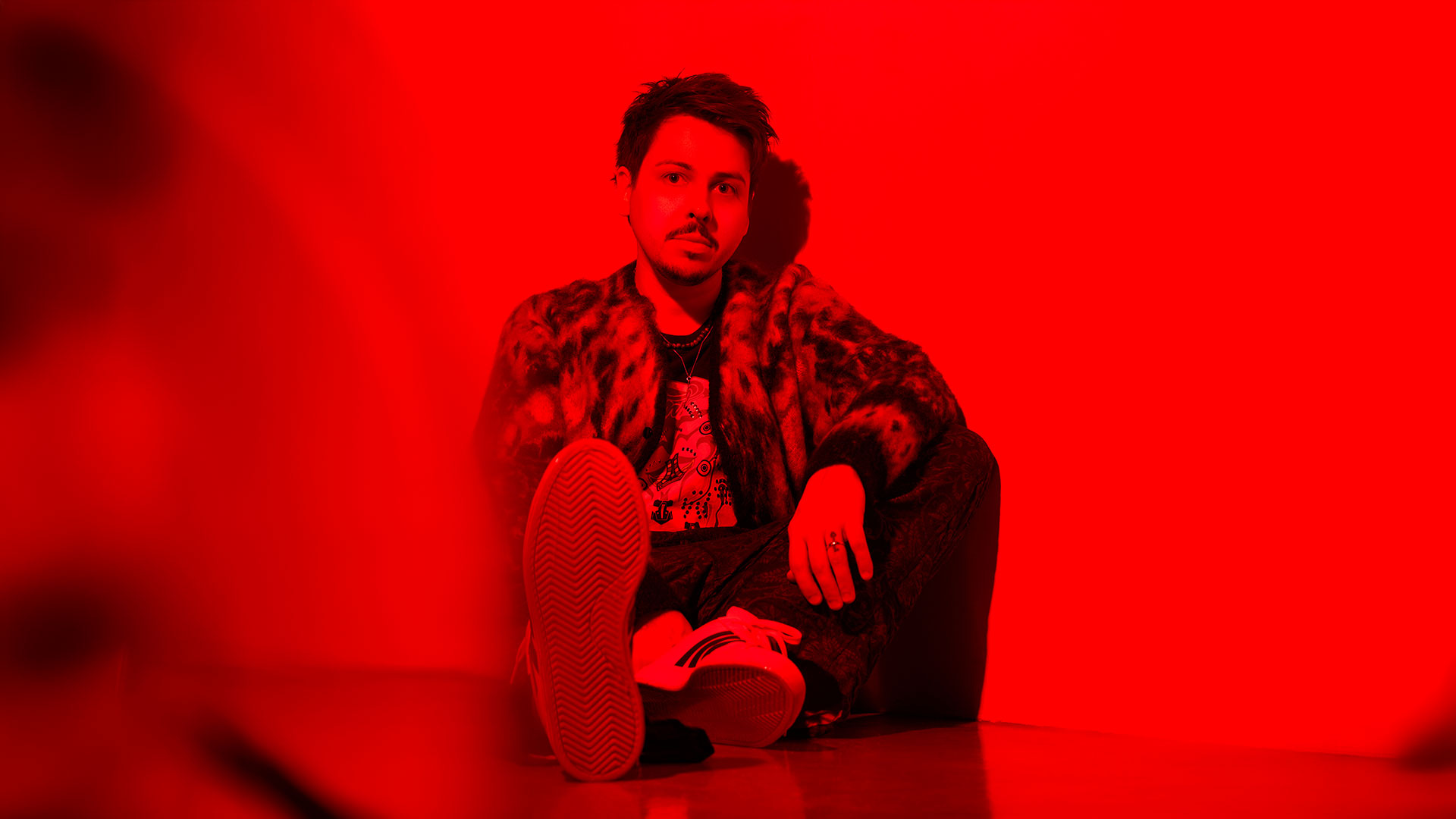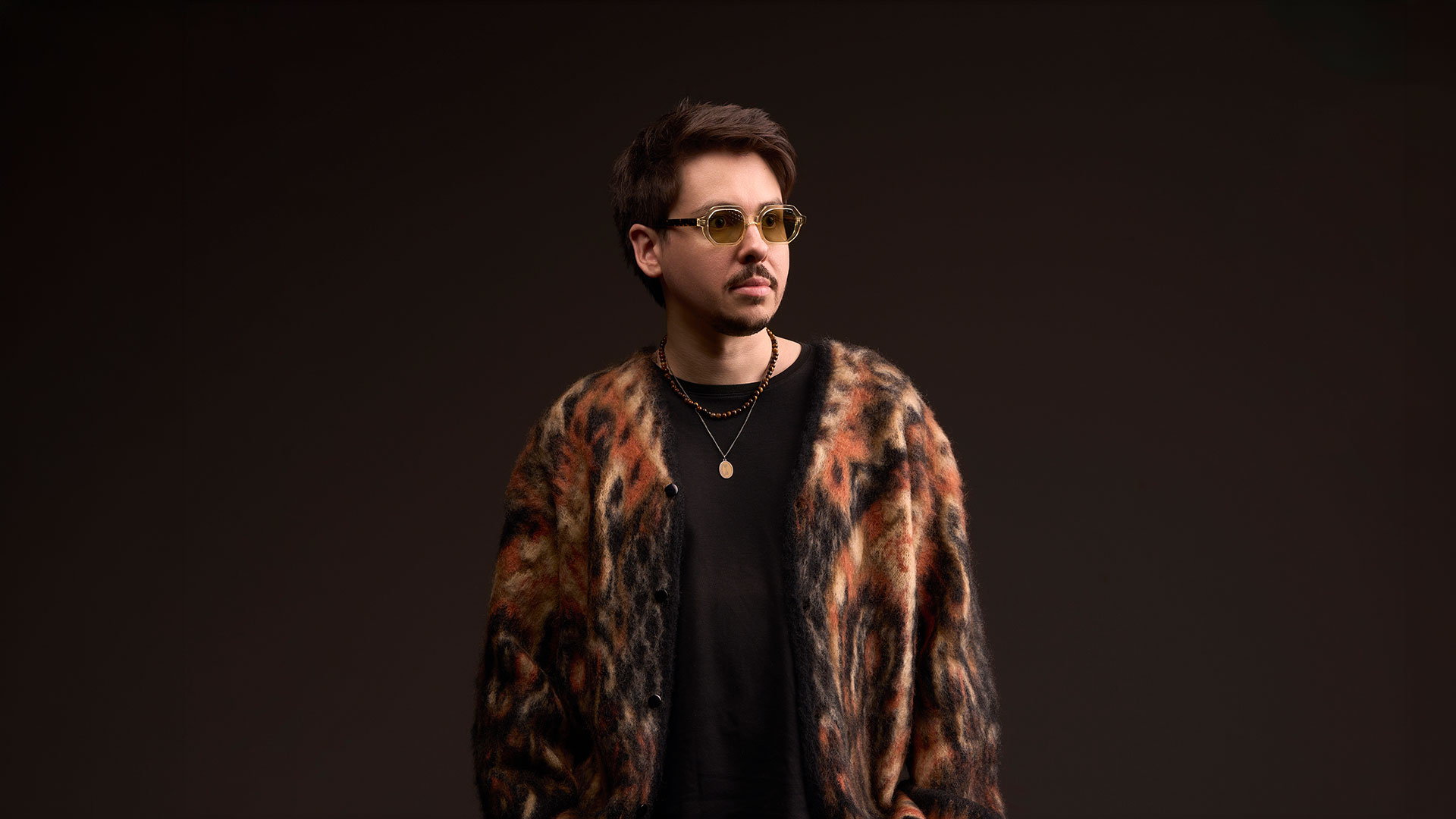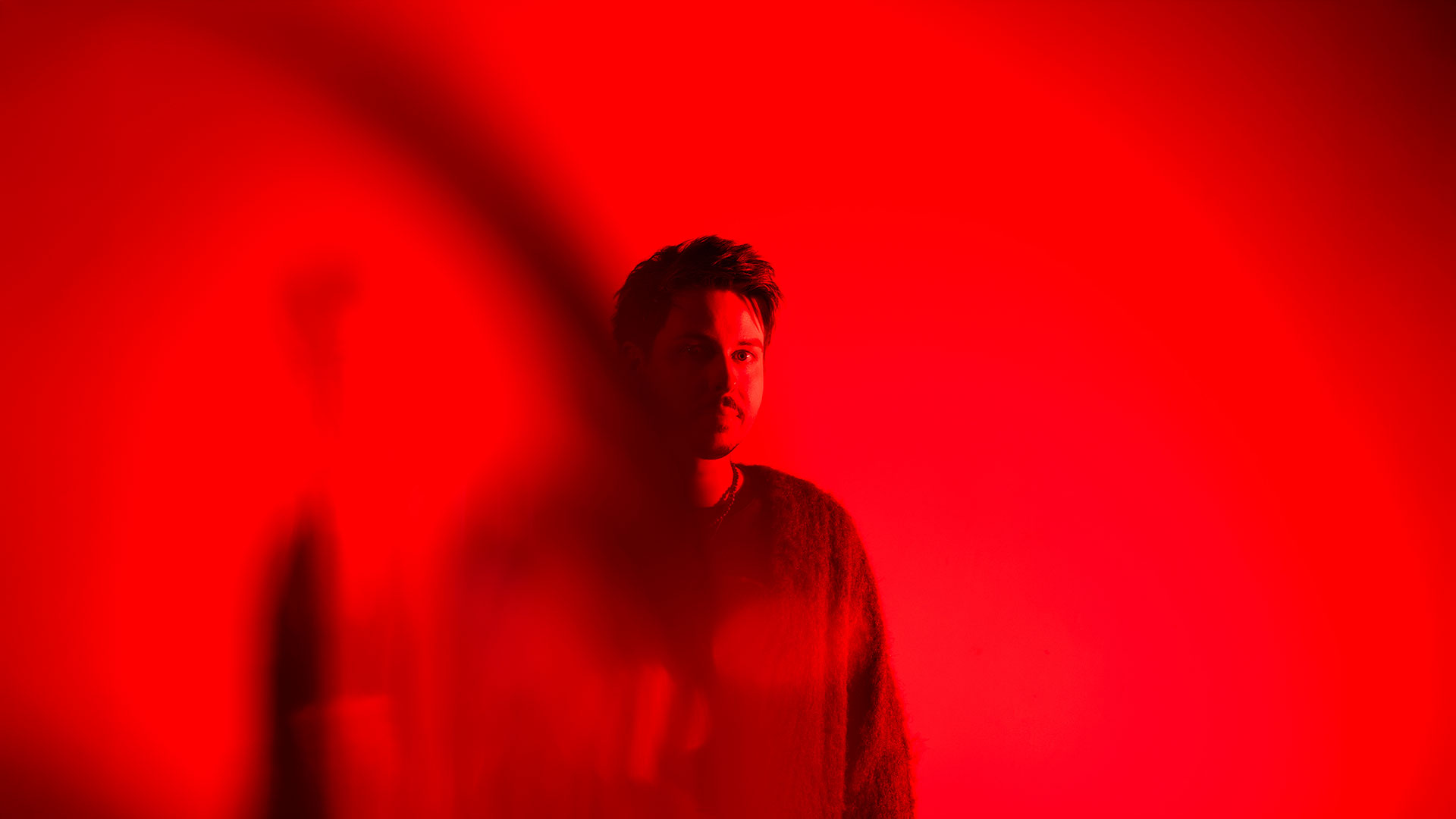
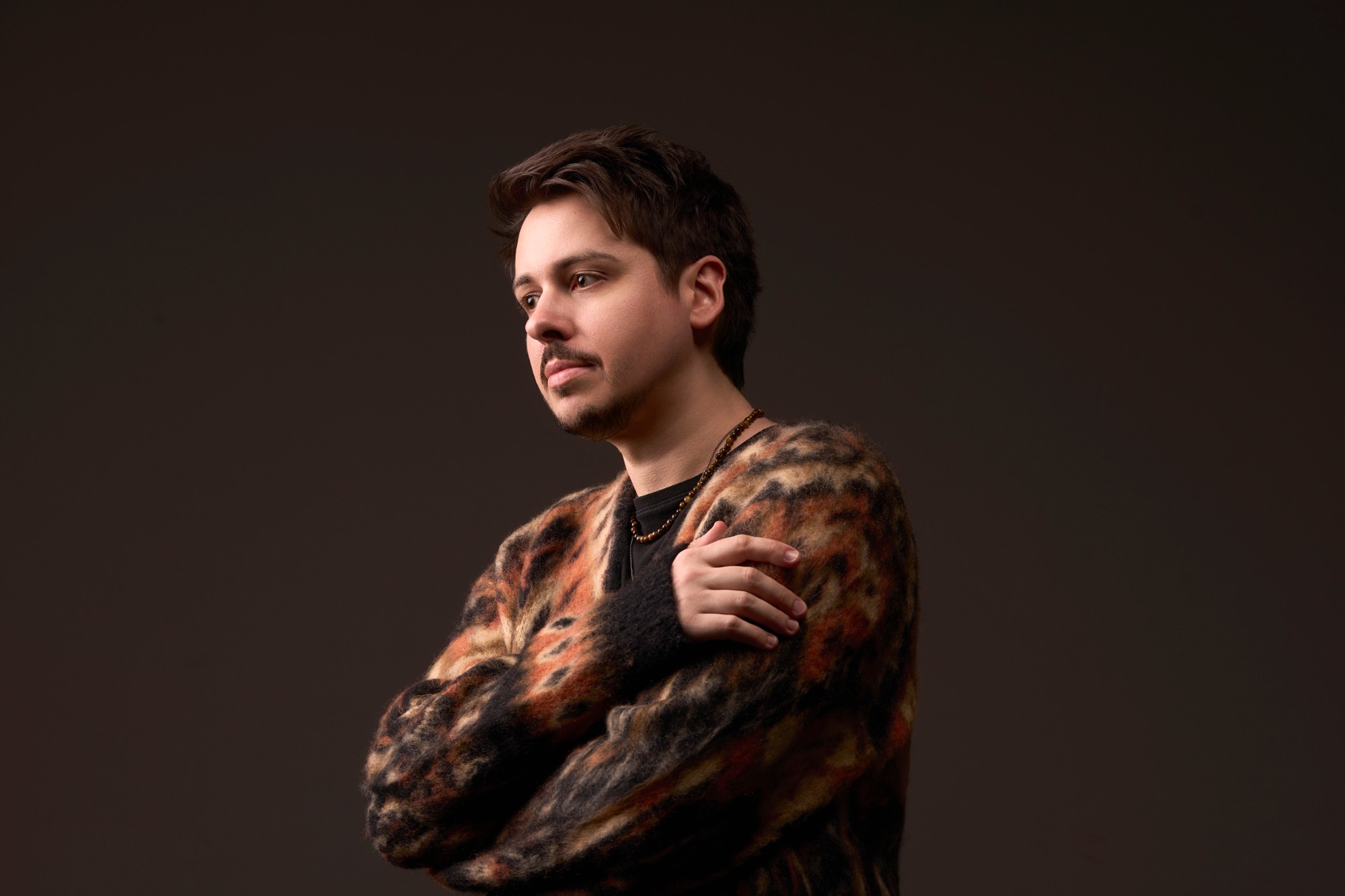
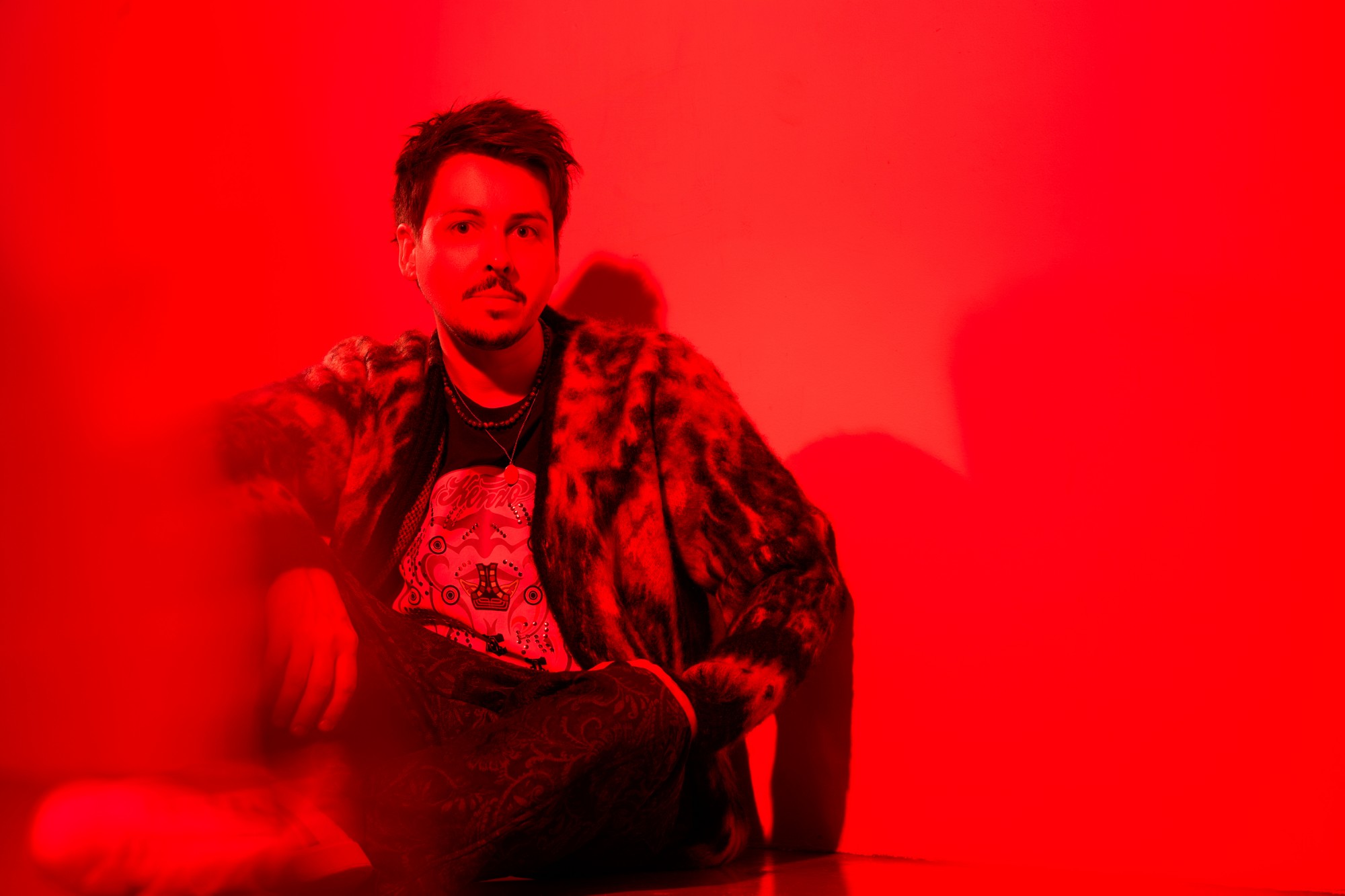
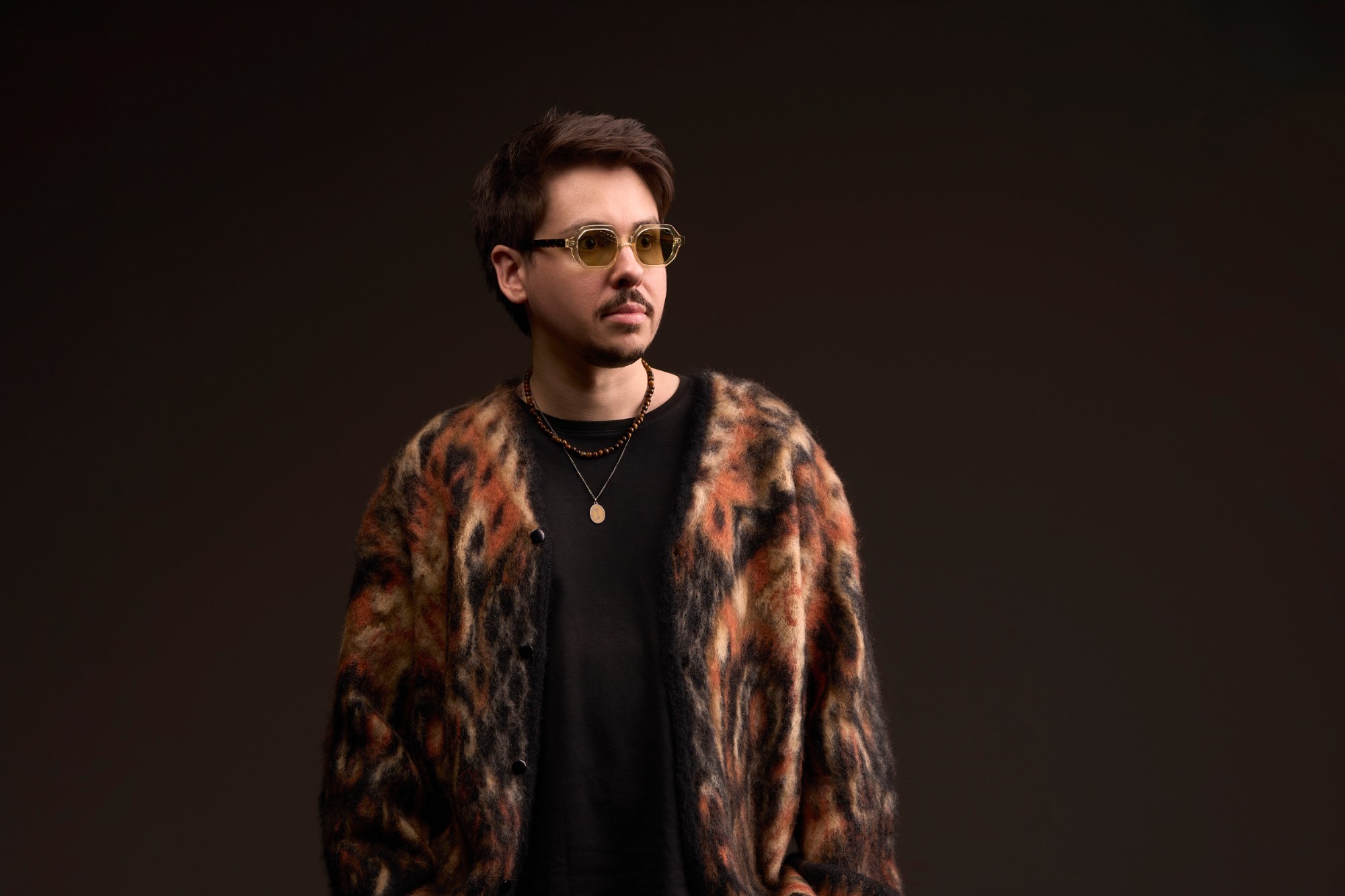
Dan Webb has spent nearly two decades refining a restless hybrid of jazz, rock and electronics. Melbourne-born and now based in Singapore, the Australian composer and multi-instrumentalist first drew notice for energetic, partly improvised live sets that included playing keyboards behind his back. Progressive keyboard-driven rock gave way to experimental post-punk and electro-jazz. Albums such as Sandstorm, Oedipus the King and Exotic Erotic Concoction each widened the palette. Sunshine/Dialogue in 2023 brought wider critical notice and a nomination for Self-Producing Artist of the Year at the Music Producers & Engineers’ Guild of Australia Awards. Lion Dance, his fifth album, marks the point where he stops interviewing players of that calibre and starts working with them.
Imagine a street corner in Da Nang, Vietnam, where a lion dance appears without announcement. Motorbikes pull to the side. Around two hundred people stop. The head is heavy. The fabric hides the dancers. Yet the creature moves as one living thing, and ordinary time suspends for a few minutes. Webb watched that scene after relocating from Melbourne to Singapore in 2023. The lion, in Chinese tradition a symbol of bravery in the face of the unknown, became the title and the emblem for a record about the death of one life and the beginning of another. A visit to Singapore’s Haw Par Villa, with its vivid scenes from Chinese mythology including the Ten Courts of Hell, deepened the frame. During the final stretch of production, the loss of three family members in quick succession made the metaphor concrete. The album carries that weight without being defined by it.
The sequence traces the cycle from the start. “Soup on the Bridge of Oblivion” opens on the mythological broth said to erase memory before reincarnation. A heavy, cadenced drum pulse supports a descending organ-like synthesizer line that feels ceremonial. After a brief suspension the texture saturates into layered distorted guitars and keys, turning contemplation into a short, absorbing run before the echo dies. The next two tracks split a single line from Laozi’s Tao Te Ching. “Things Rise and Fall (feat. Logan Kane)” carries the first half. Logan Kane’s bass sits low and physical against Clive Deamer’s micro-timed drums and Nate Werth’s percussion, while strings by Stevie Blacke open the field. The piece grows by accumulation and release, the same motion ROMBO noted in its earlier review of the single. “The Self Watches Their Return (feat. Nicole McCabe)” completes the thought. Nicole McCabe’s alto saxophone enters with a wide, vulnerable phrasing that tightens into rapid cascades before the rhythm section withdraws and the last echoes settle into pads.
“KC Spider” captures the jittery arrival, named for the Singlish term for the anxious passenger already on their feet when the plane touches down. Angular guitar lines climb and drop over a fractured, high-tension rhythm. “Thai Basil” changes the temperature. A rubbery synth-bass and dry drums establish an elastic groove. Bright keyboards give way to the dense, stitched unison of Ron Blake and James King, the horn players from the Rolling Stones’ recent work. The line was too continuous to play in one breath, so it was assembled in fragments and stacked until it became a continuous bright party. ROMBO’s review of that single already tracked the practical limit turning into the track’s character. The aroma blooms late, the way Thai basil is added to a hot wok so the flavour stays vivid.
“Hungry Ghosts (feat. Clive Deamer, Dennis Hamm, Bob Lanzetti)” draws from Singapore’s annual Hungry Ghost Festival, the Buddhist tradition of wandering spirits and the space between worlds. Clive Deamer’s drums set a nervous, syncopated pace. Dennis Hamm’s synthesizer lays an acidic haze then breaks into chromatic runs. Bob Lanzetti’s guitar answers with sharp, expressive bends. The dialogue never settles. In the middle the synthesizer surges in a rapid cascade before the guitar returns with a torrid line that drives the piece to a hard stop. The official video, built entirely inside Webb’s own Webb Warp platform without generative AI, matches the restless motion.
The second half moves into the life that follows. “4D” nods both to a fourth dimension and to Singapore’s four-digit lottery. A measured march of drums and bass supports clean, reverberant guitar lines that suddenly expand into saturated synthesizer walls, then drop away so only suspended chords remain. “Fallen Angels” runs feverish and urban, filtered riffs giving way to a dense, garage-tinged wall of distorted guitars over a pulsing bass. “Lemongrass (feat. Dennis Hamm)” unites Michael Bland on drums, Tim Lefebvre on bass, Dennis Hamm on piano and Nate Werth on percussion. A motorik push carries a bright synthesizer theme. After a floating midsection of crystalline arpeggios the full ensemble returns for a piano-and-synth climax that fades on the horizon. “Perseverance” starts intimate with organ-like keys and a clear arpeggio, then builds a relentless rhythmic foundation under saturating guitar and synthesizer layers until the opening theme returns transformed. “Dragon Playground (feat. Logan Kane)” is a brief, playful burst of funk named after the iconic dragon-shaped children’s playgrounds that once dotted Singapore’s housing estates. Logan Kane’s elastic bass locks with sharp guitar figures and syncopated drums. Liquid filters arrive later and bend the geometry without slowing the groove.
“TR 24”, assembled aboard the flight back to Melbourne and named for its flight code, is built entirely from material found elsewhere on the record, reversed and bent. Brass fanfares fracture into rapid cuts and dissonant overlaps before a dark, metallic pulse remains. Closer “Hoi An” begins with light percussion, soft keyboard chords and fluid guitar lines that carry an eastern contour. The electronic rhythm deepens the space. In the final moments the luminous texture dissolves into a slow, saturated, darker pulse, stepping beyond the arrival into another turn of the wheel.
Michael Bland’s drums appear across several tracks, Tim Lefebvre’s bass on others, Robin Mullarkey on “Perseverance”, Micah Hummel on “Thai Basil” and “4D”. Joe Lambert mastered the album. Chris Yee’s cover art supplies the visual world. Across roughly half an hour the sequence alternates longer meditative stretches with short, high-tension miniatures. The collaborators bring specific histories, yet the vision stays Webb’s: the same curiosity that moved him from Melbourne stages to Singapore, and from interviewing players to writing with them. What gives Lion Dance its weight is the precision of that cycle, held in arrangement and pacing rather than explained.