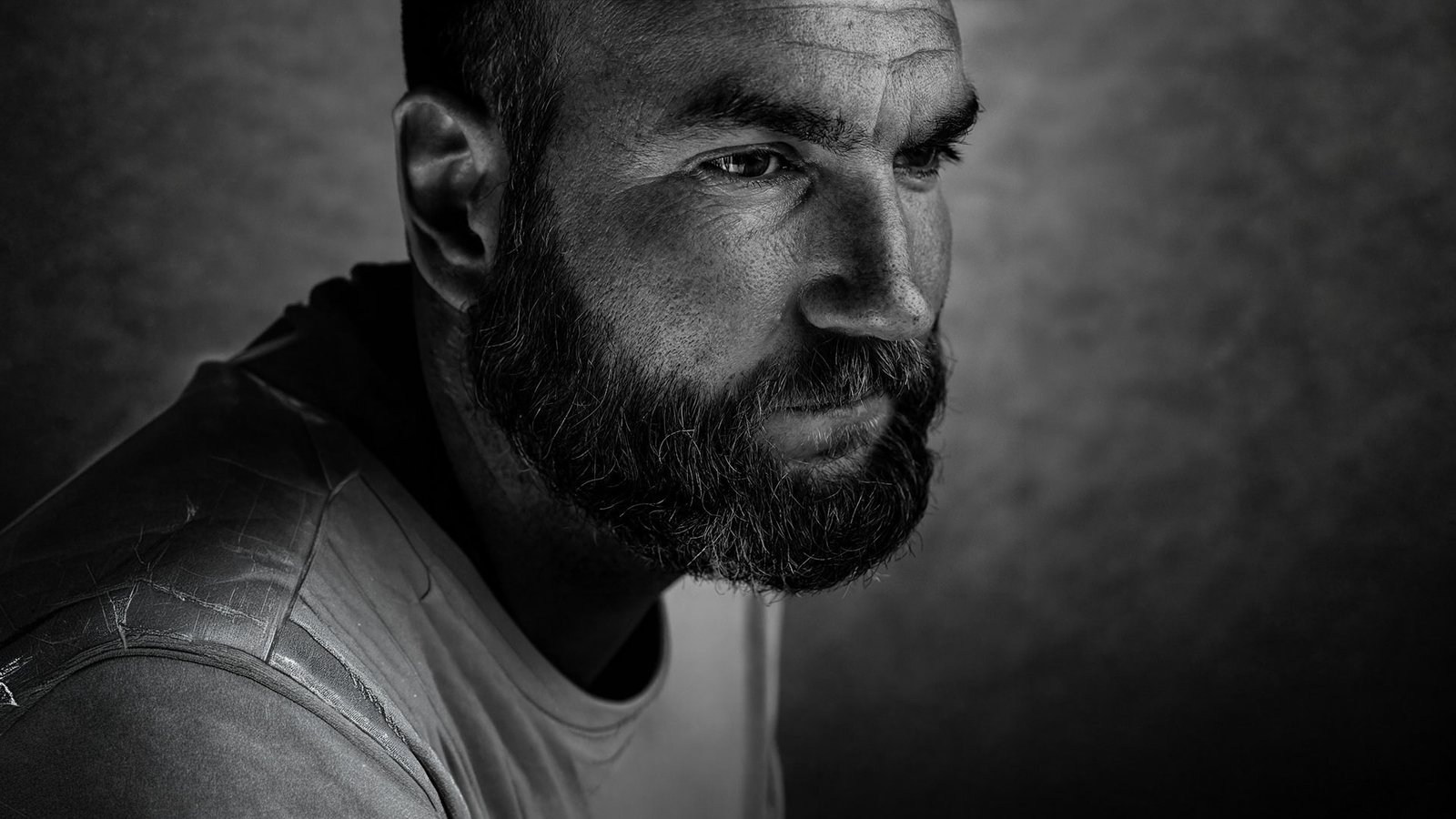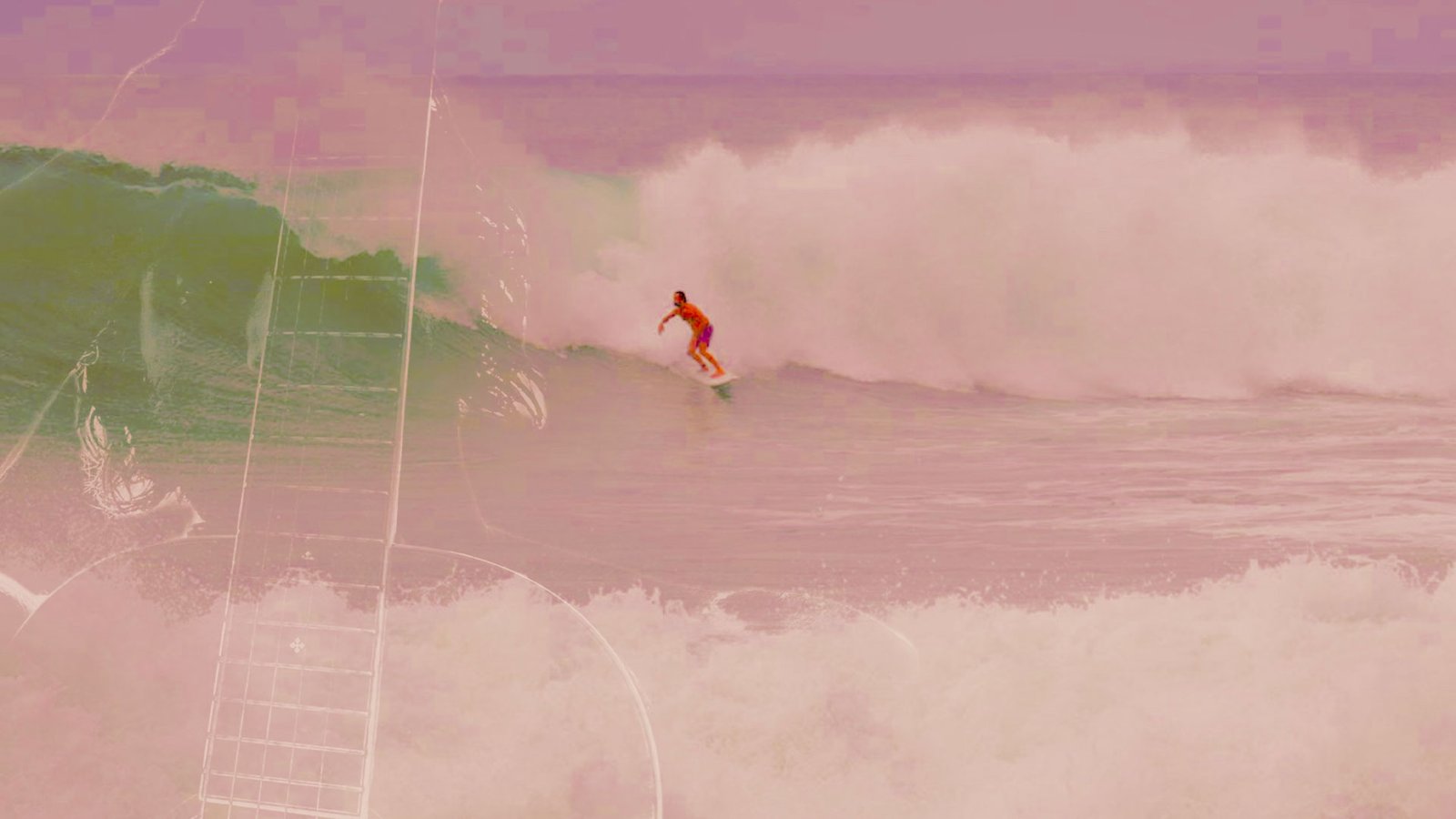
Joakim Lykke has been part of the Danish rock, pop and folk scene since 2006, most often with an acoustic guitar and a voice that treats songs as places where stories can be told without hurry. From Herning he released the solo album Falling Down - Today in 2020, drawing on the American singer-songwriter tradition of the 1990s, and has since played more than 250 solo concerts, with the total number of live performances later placed well above 600. In 2024 he put out Highway 15 as a charity single for SIND, the Danish mental health organisation, after years of work with vulnerable young people. The songs tend to circle relationships, longing and the moments that stay after the room has emptied.
There is a quiet practice on certain ships called logging the last light. Before the watch changes, every lamp is checked, every door noted, every line secured. The entry is practical. It is also an admission that the person who has been present may not be the one who continues. The next watch has to find the objects where they were left.
Short & Fleeting Life is that log.
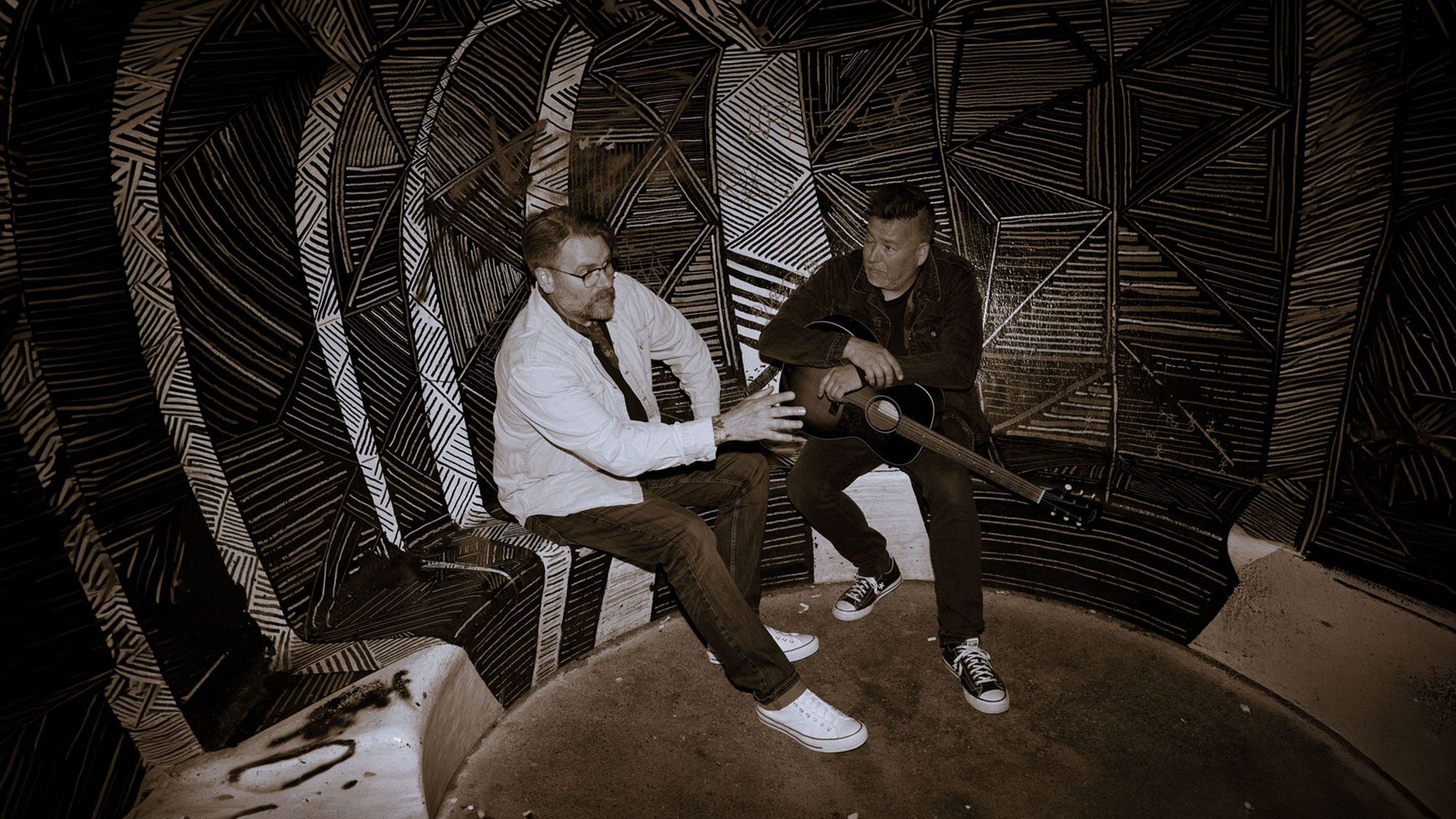
Lykke wrote the song after a close friendship and professional partnership proved to have been built on lies. What remained was the sense of betrayal and a lasting doubt in his own judgment, in his ability to trust. When CFB, Claus Flindt Bjerg, a former deployed soldier living with PTSD and the father of two young children, heard it, the same lines measured a different remaining distance. For him the song became a confrontation with the people lost, the scars of war, and the particular vulnerability of wondering whether there will be enough time to give his children what they will need to carry, and whether he can face his own demons so they are not passed on.
The lyrics make the shift explicit. Early on the address is outward. “Any strength you have left as you’re waiting to die / In your short, your short and fleeting life.” Later the same strength is claimed in the first person. “All the strength I have left as I’m waiting to die / In my short, my short and fleeting life.” The lies that “will meet you halfway” become the lies “that I say, they will meet me halfway.” The shallow breath is asked for twice. “Take from me my shallow breath tonight.” What began as one man’s account of trust broken becomes the shared entry of two different scars counted in the same remaining time.
The opening piano chords and the entrance of acoustic guitar keep the room small, a place where the log can be written without an audience. When the drums and bass enter they do so with a slow, weighted step, the pace of someone who already knows the distance. Midway an electric guitar with a rough, saturated edge cuts through the acoustic quiet, the scar made audible for a few bars before the sound empties again onto piano alone. In the final chorus the perspective has already turned inward and the arrangement pulls back, leaving the last repetitions of “My short, my short and fleeting life” to hang on the piano as the notes decay into silence.
The voices carry the weight without decoration. Lykke’s delivery holds the pain low and almost unarmed on lines like “Now I’m a fool for one / And I’ve come undone,” then opens with rough urgency when the chorus arrives. CFB’s presence joins the same line, two histories occupying the same remaining measure. The song does not rush to explain the distance. It simply records what can still be secured before the light changes.
What gives the single its weight is the precision of that shared count. Two different lives, one practical admission that the light may not continue, and the quiet work of securing what can still be handed over while the breath is still there.