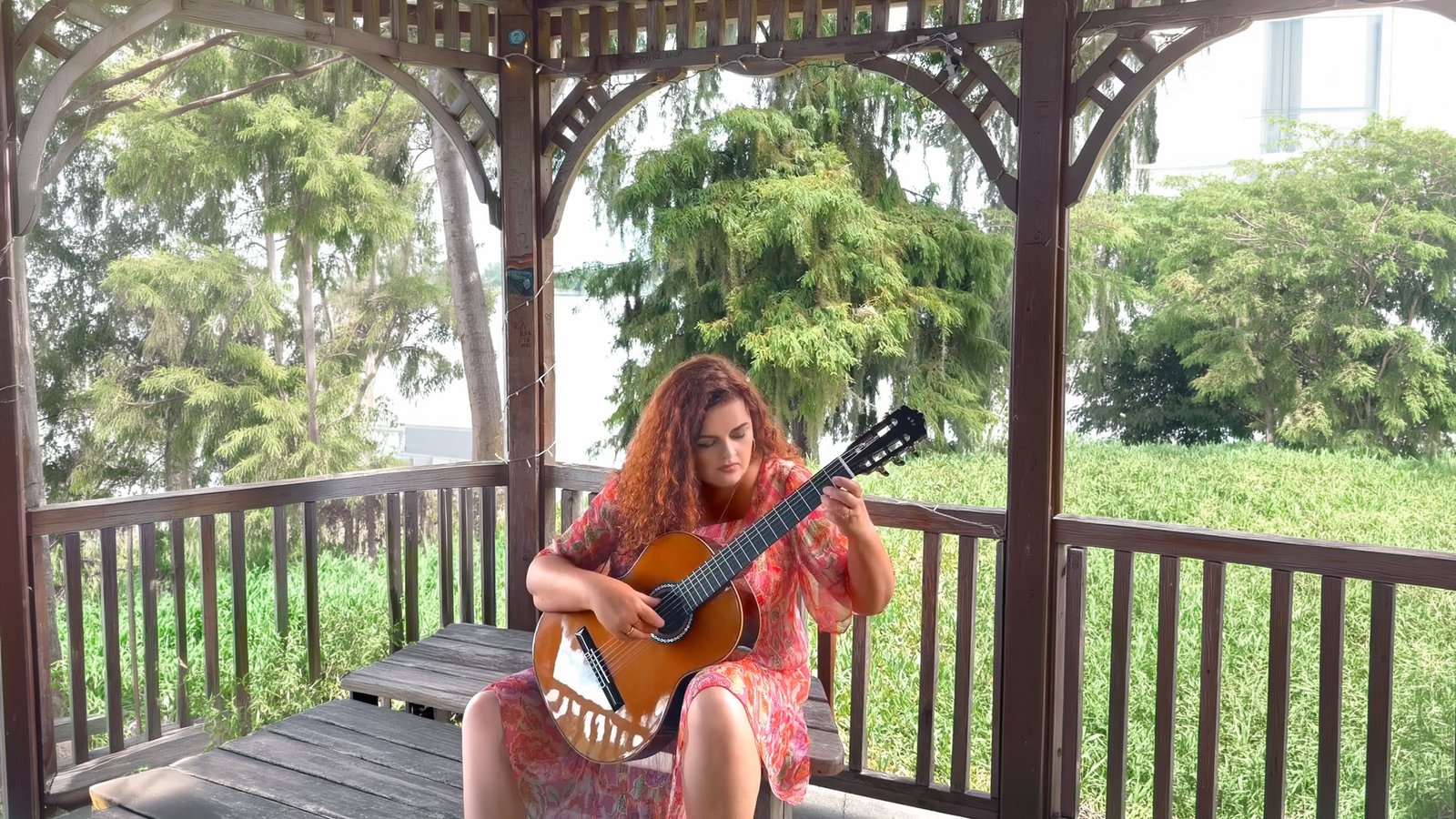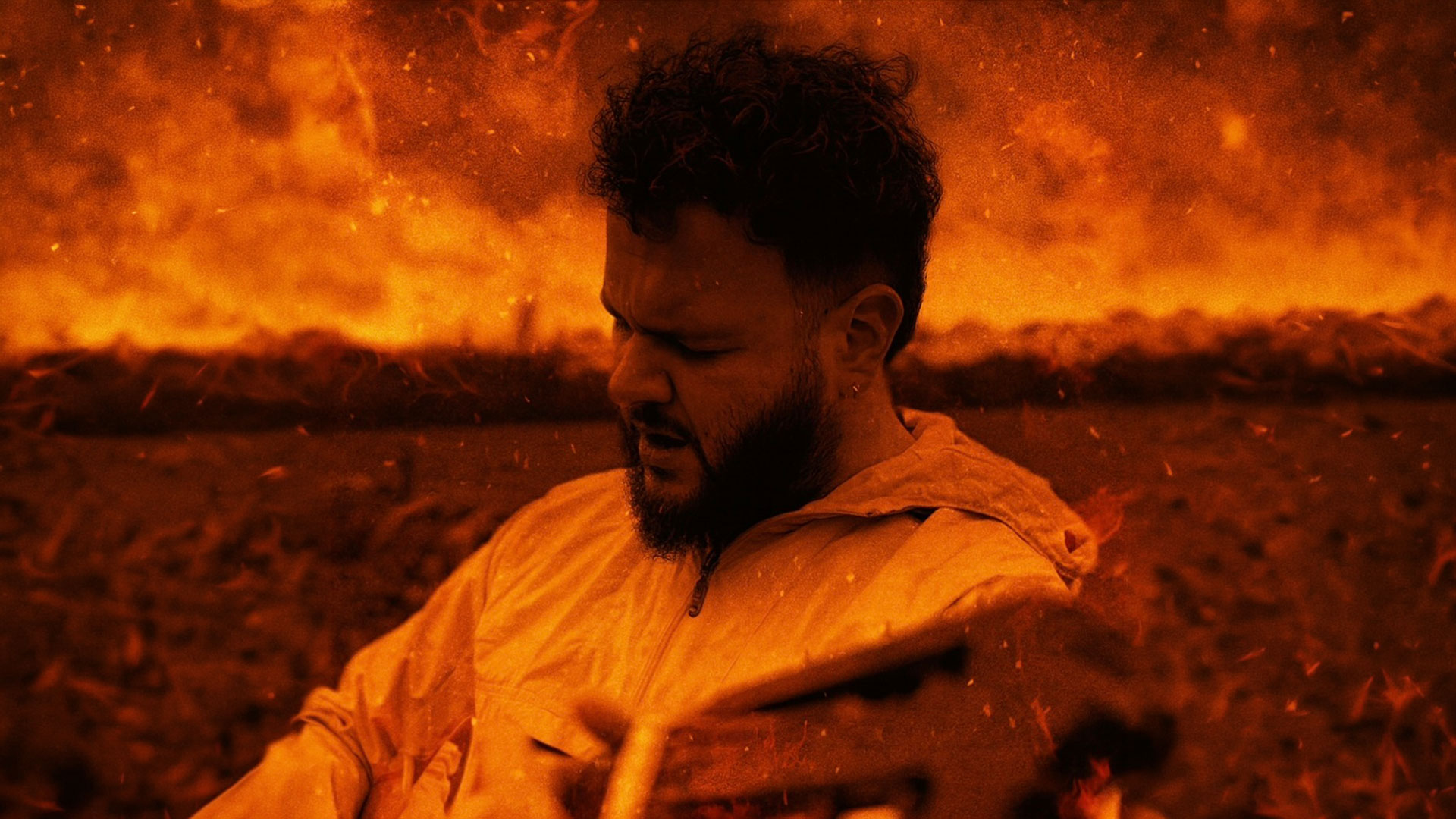
Joe Wheldon has been writing from Cheltenham in the traditional singer-songwriter manner for years, beginning with voice and acoustic guitar before the frame expands. Singles such as Time Is a Teacher in 2019, the 2025 acoustic EP For the Road., and the January 2026 release Lose Myself kept that focus clear. Burn, out now and recorded with Dave Draper at The Cider Press Studio in Pershore, continues the pattern while allowing the instrumentation to rise around the core without burying it. Draper, who has worked with many writers over a long stretch, noted the strength of the vocal line in the room. Headline shows are already set for early 2027.
There is a kind of labor that happens in quiet rooms far from any stage. A conservator stands before a wall where the plaster has begun to powder and the painted figures are lifting at the edges. The dust on the floor is not dramatic. It is the slow result of time and air moving through the space. The conservator does not flood the surface. He works with small tools, controlled moisture, and long pauses, because too much heat or pressure will turn what remains into more dust. The goal is not to make the wall new. It is to keep the image from disappearing while the structure is still unstable.
That labor sits inside Burn. The song begins in a bedroom where the distance between two people has already started to settle like ash. Lines such as “In the bed where we lay, let it all blow away” and “Ashes and smoke now scatter the ground” name the erosion directly. Wheldon’s voice starts close and measured, the acoustic guitar answering in short phrases rather than filling every gap. The chord voicings stay open. Nothing crowds the space. The question-and-answer between the vocal line and the guitars keeps the exchange personal, almost private, as if the work is happening at the edge of the bed while the light dies.
When the need rises, the arrangement opens. Electric guitar, drums and bass enter and the temperature changes. The voice climbs and roughens on “Oh, I need you, I need you, I want you to stay.” The plea is not abstract. It is the moment of deciding to stay with the unstable wall rather than leave it to finish crumbling on its own. “If we won’t let this burn, then we can’t walk away” makes the condition clear: the heat is required if the bond is to hold, but it has to be managed. The fuller texture does not override the lyric. It raises the stakes of the choice.
The bridge names the walls directly. “You build your walls high just to watch them crumble” arrives over the densest part of the arrangement, then “Darling, don’t cry, I am here for you through it all.” The voice stretches and holds the high register with real strain, not polish, while background voices thicken the texture for a few bars. After that peak the song returns to the acoustic frame. The final lines settle into a quieter statement of presence. The voice no longer pushes. It holds the room. “We can’t let it burn and we won’t walk away” lands with less urgency and more decision.
What gives Burn its weight is the precision of that movement. The production leaves space for the vocal line to answer the guitars and for the lyric to carry the actual work of the song: staying with someone while the dust is still falling, intervening before the structure is gone. The song does not rush to resolve the tension. It shows the labor of remaining present when the surface is already unstable.