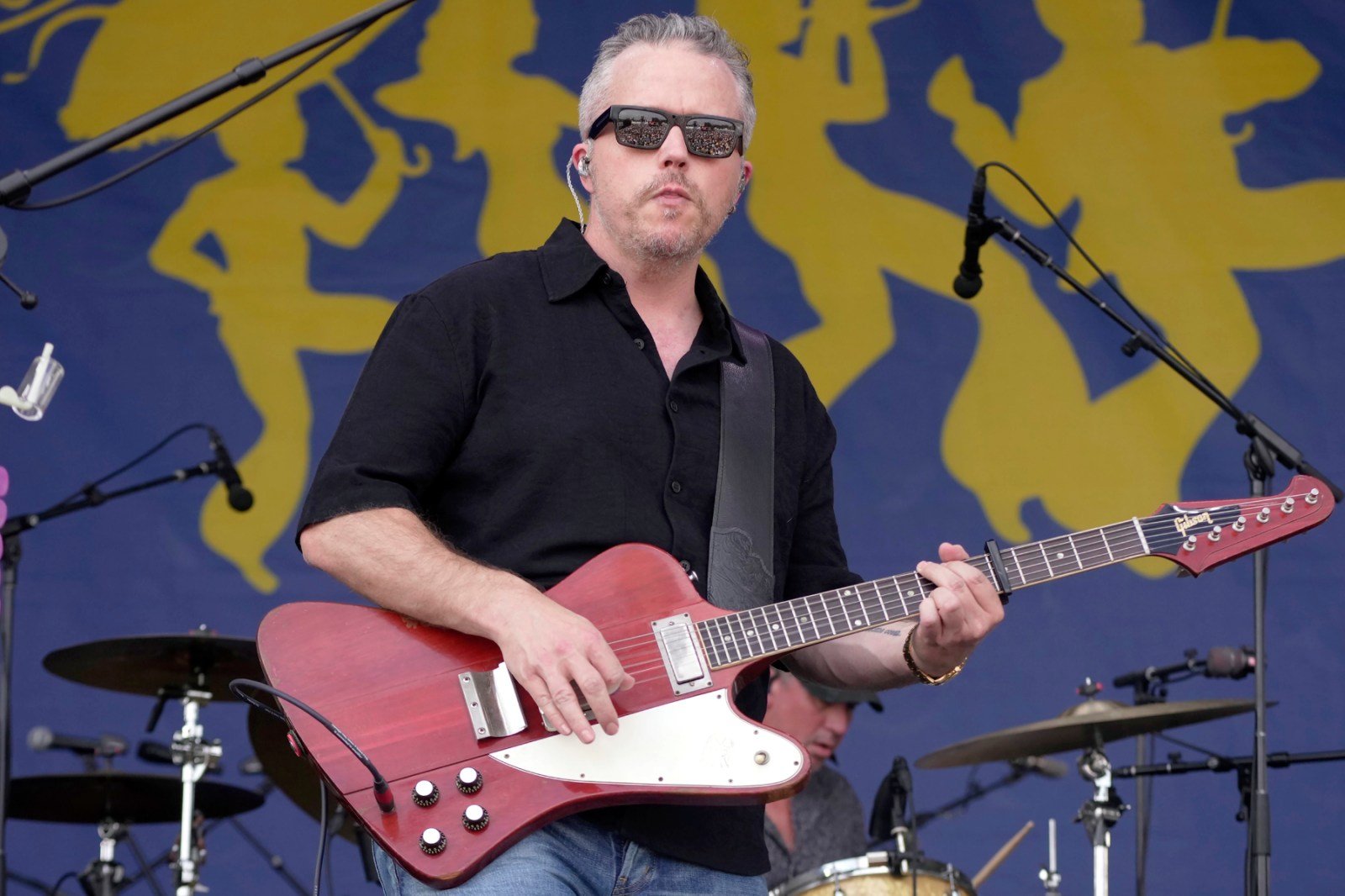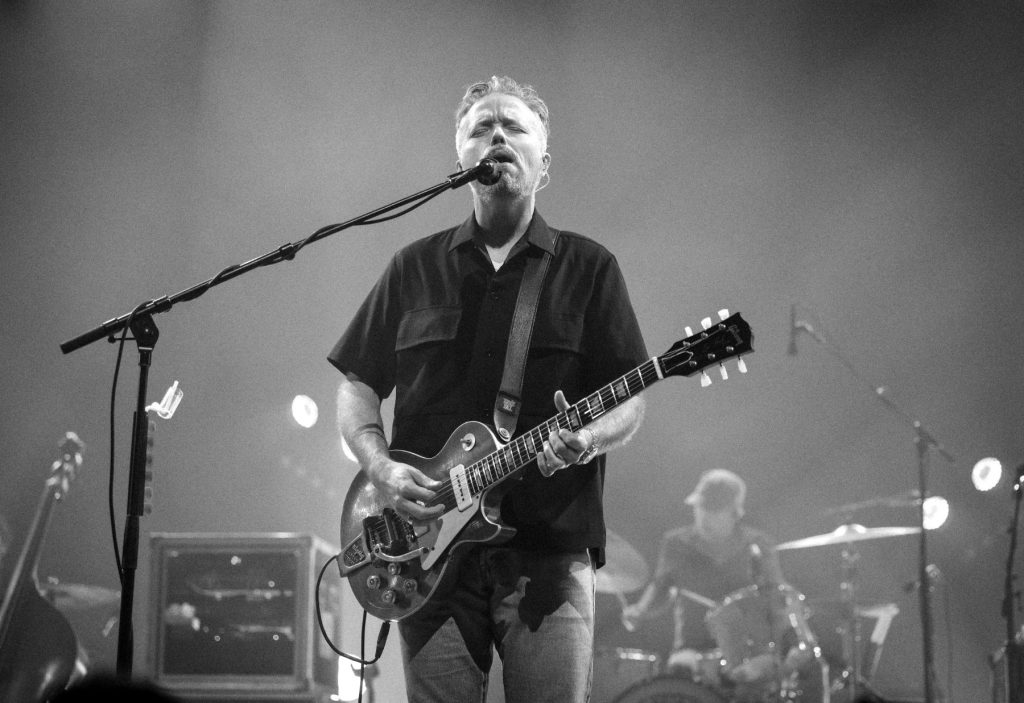
Suno has asked a federal judge to dismiss Jason Isbell's lawsuit over artist likeness rights, arguing in a motion filed Tuesday that there is "nothing unlawful" about using a musician's name to describe a sound. The company's lawyers compare a prompt to a human producer saying "let's go for something here with more of a Jason Isbell vibe," and contend that the First Amendment protects the practice of naming artists as shorthand for genre.
The suit, filed in August as a class action, accuses Suno of encoding musicians' identities into its model so users can "conjure up a beloved musician's identity" by typing a name. It targets state publicity laws in New York, California, Tennessee and elsewhere, a different legal route from the copyright suits major labels have already brought against the company. ROMBO reported on that filing when it landed in September.
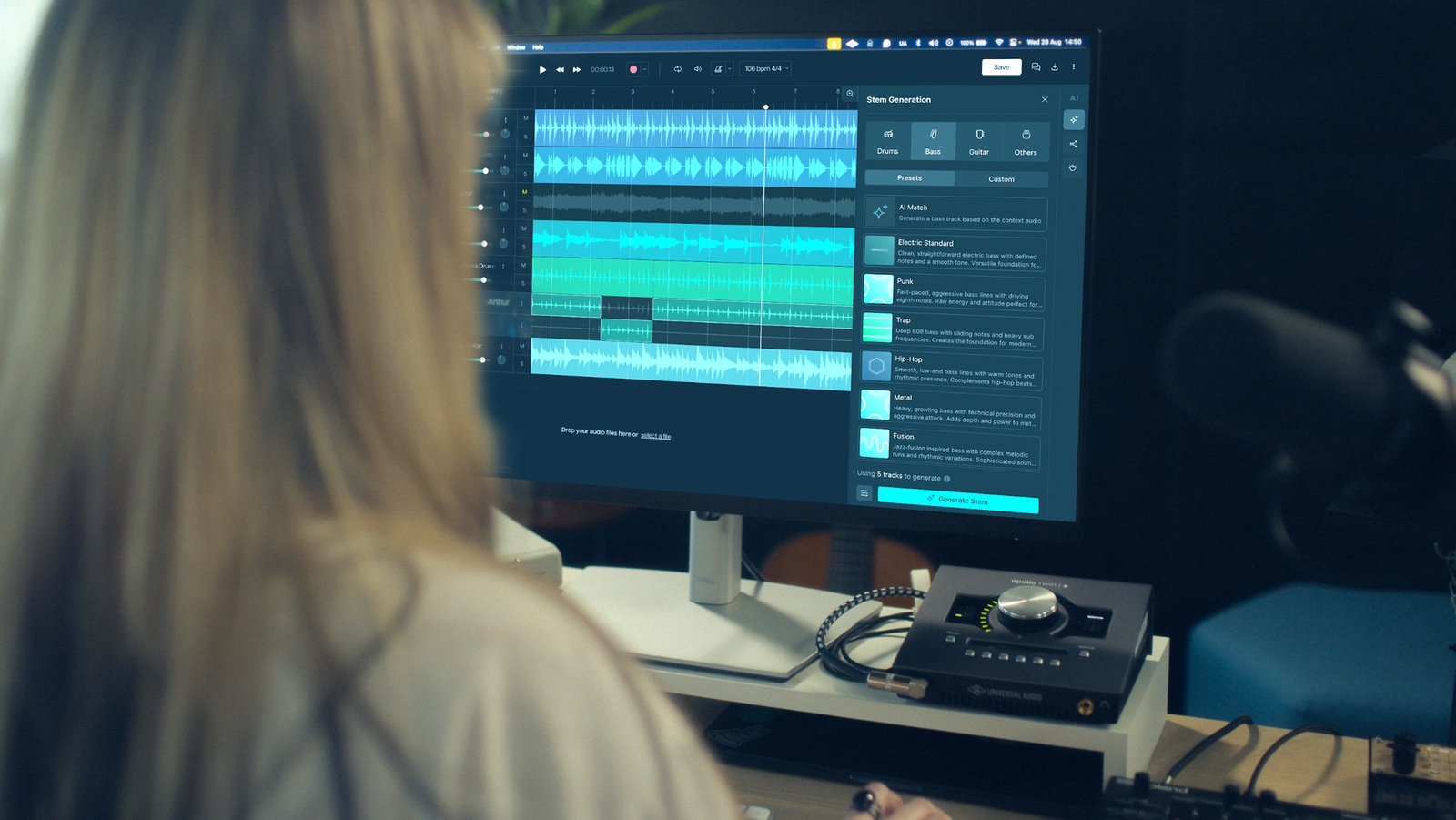
Suno's defense rests on a technical claim about how the platform works. The company says it does not let users prompt the model with artist names directly; a name entered into the generator is translated into descriptive tags, so "Duran Duran" becomes "New wave, Synth-pop, Pop rock." Isbell's complaint calls those safeguards faulty, pointing to workarounds like "t a y l o r s w i f t" or "b a d b u n n y" that slip past the filter.
The motion also leans on preemption, the doctrine that bars state claims conflicting with federal law. Suno argues that Congress chose not to grant intellectual property protection to an artistic style, and that letting artists sue over likeness would create "a shadow state law IP regime" overlapping copyright. Isbell's attorney did not immediately respond to a request for comment on Tuesday.
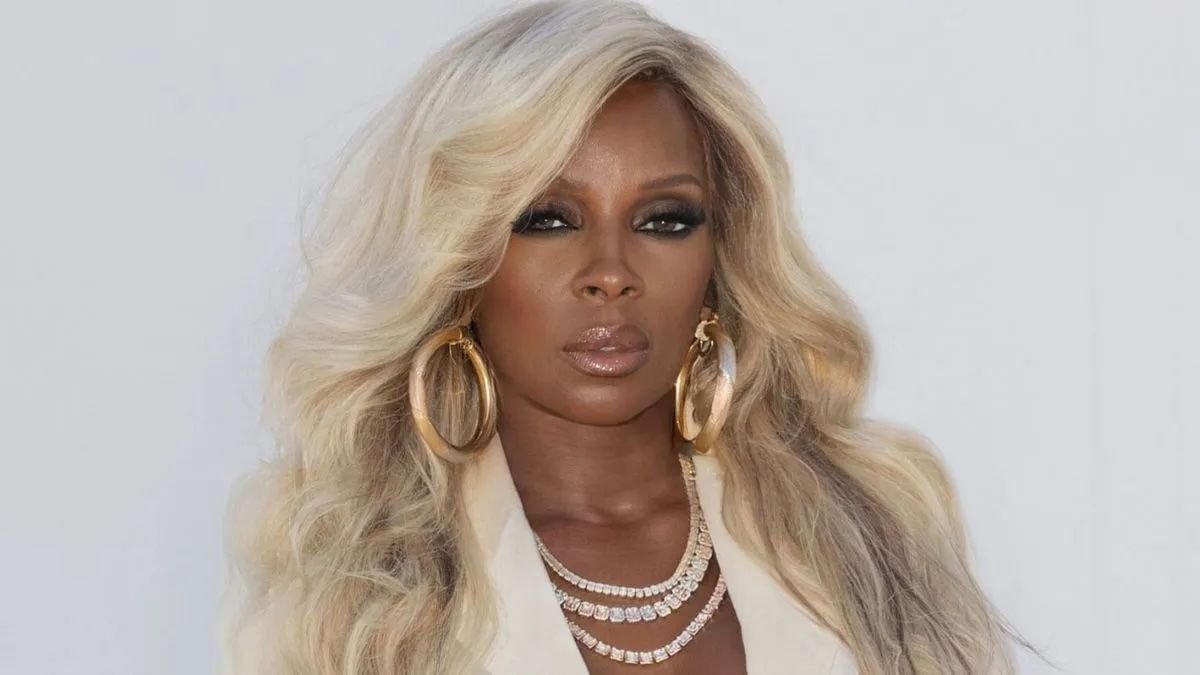
The timing is hard to ignore. Suno's legal posture has been under scrutiny since it pulled a Mary J. Blige advertisement after learning she had not authorized it, a retreat that suggested the company's public-facing use of artists' names carries risk it would rather not litigate. Now the argument moves from marketing to doctrine: whether a name in a prompt is a description or a substitution.
Isbell's own career gives the question an odd texture. He has spent years as a songwriter's songwriter, the kind of artist whose name gets used precisely because it signals a register, a guitar tone, a way of telling a story. ROMBO's archive on Isbell tracks a musician who has built a catalog on specificity, and the suit asks whether that specificity can be indexed and sold back as a setting. The judge's answer will decide how the next round of AI music cases gets argued.