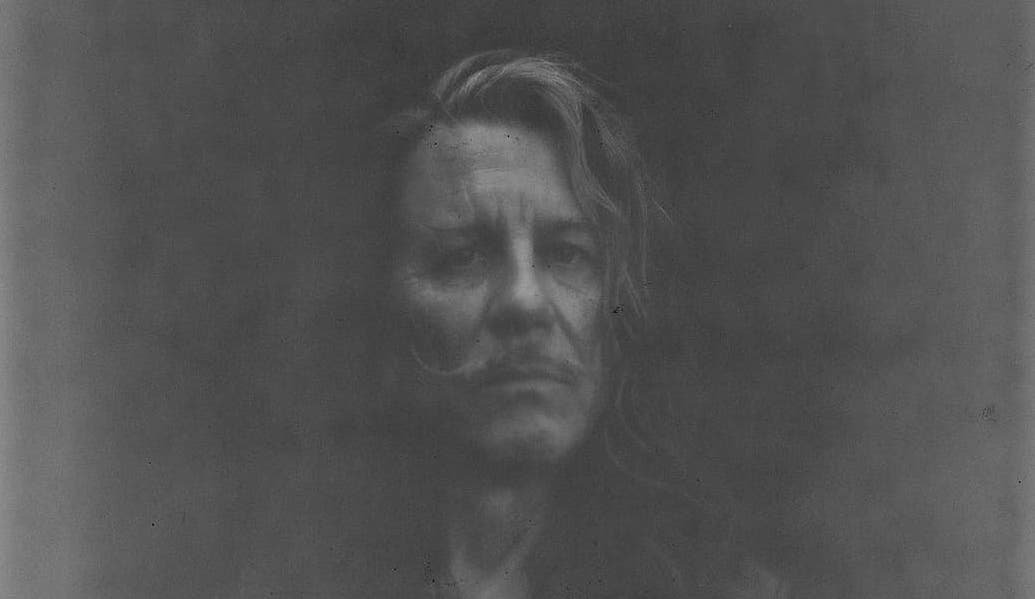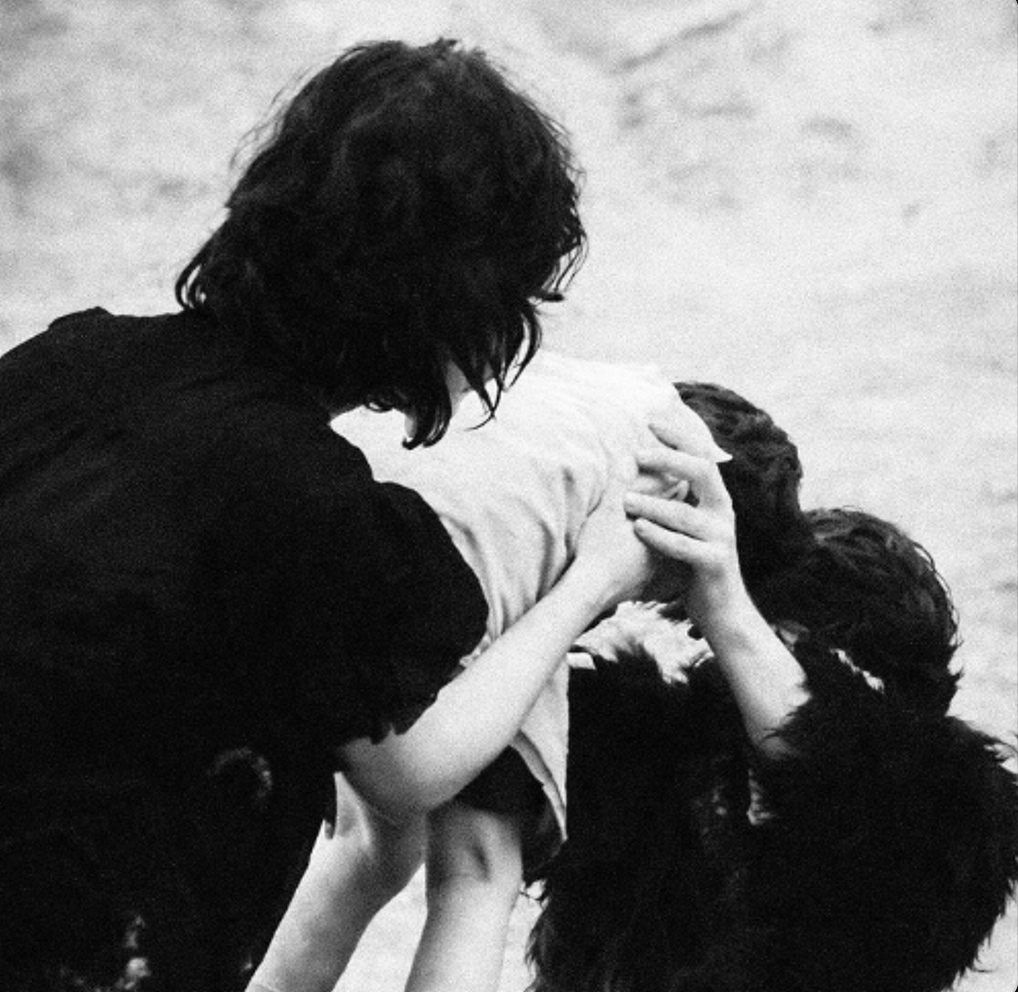
Garrel’s Le Révélateur emerged from the disillusionment of May ’68. Shot in stark black and white, the silent film follows a couple and a child through forests and barren terrain, never speaking, never explaining. It’s an open surface. Csiszér and Moumneh don’t score it so much as drift alongside it.
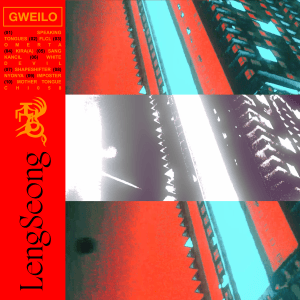
Originally performed as ciné-concerts, the fictitious soundtrack retains that immediate, restrained quality. Field recordings—radio static, mechanical hums—create a fragile ground. Drones gather slowly. Moumneh’s sonic language surfaces in traces, while Csiszér’s voice hovers at the edge of articulation, as if relearning to speak. In the sixth movement, it pushes forward, processed and searching, but never settles into a clear message.
The album moves with a patience that mirrors the film’s tension. A brief, distorted passage in part four disturbs the calm, but the work mostly simmers, loosening into something lighter without letting go of its unease. There’s no resolution, only the same open-endedness Garrel captured with the image of a child reaching a lake’s edge.
As Moumneh explains, the collaboration grew from a long friendship and ongoing dialogue. What emerges is not an interpretation but a coexistence—a parallel sonic field where sound and image exist side by side, each refusing to explain the other.