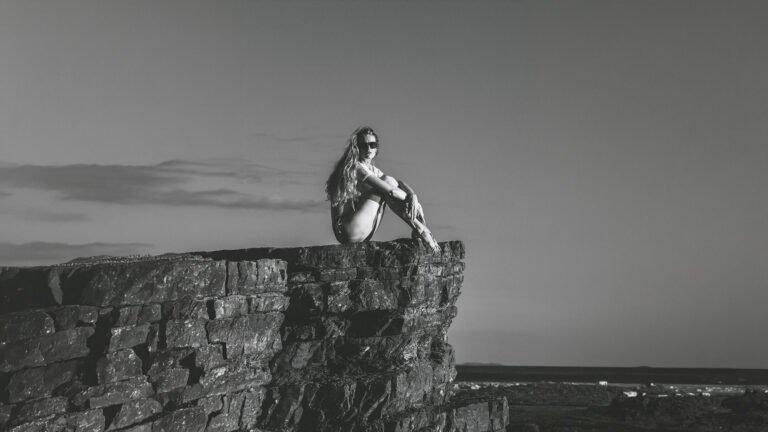
On her new EP, Toronto’s Tara Van measures the irreversible distance of love, loss, and the decision to keep growing once the light is taken down.
Tara Van has been writing songs since she was four, the kind of kid who climbed trees and filled notebooks while the rest of the house moved around her. Toronto raised, she grew up with choral music at breakfast and open mics where guitars appeared without warning. School was harder. Bullying left marks. She found her footing at Rosedale Heights School of the Arts, the place she still calls the Island of Lost Toys, and later co-wrote music for a musical that played in Panama. Her first full album, RISE, arrived in 2023 with producer Malory Torr, a record shaped by cycles of wilting and rising after heartbreak. Since 2024 she has worked mainly with Mark Calderone at the now-relocated Apt Sea Sound, the studio that used to sit just off Broadview, turning out tracks like Sunshine’s Callin’, Glow, and Things I Wanna Say. The new EP MILES ON IT is the fullest statement yet from that partnership.
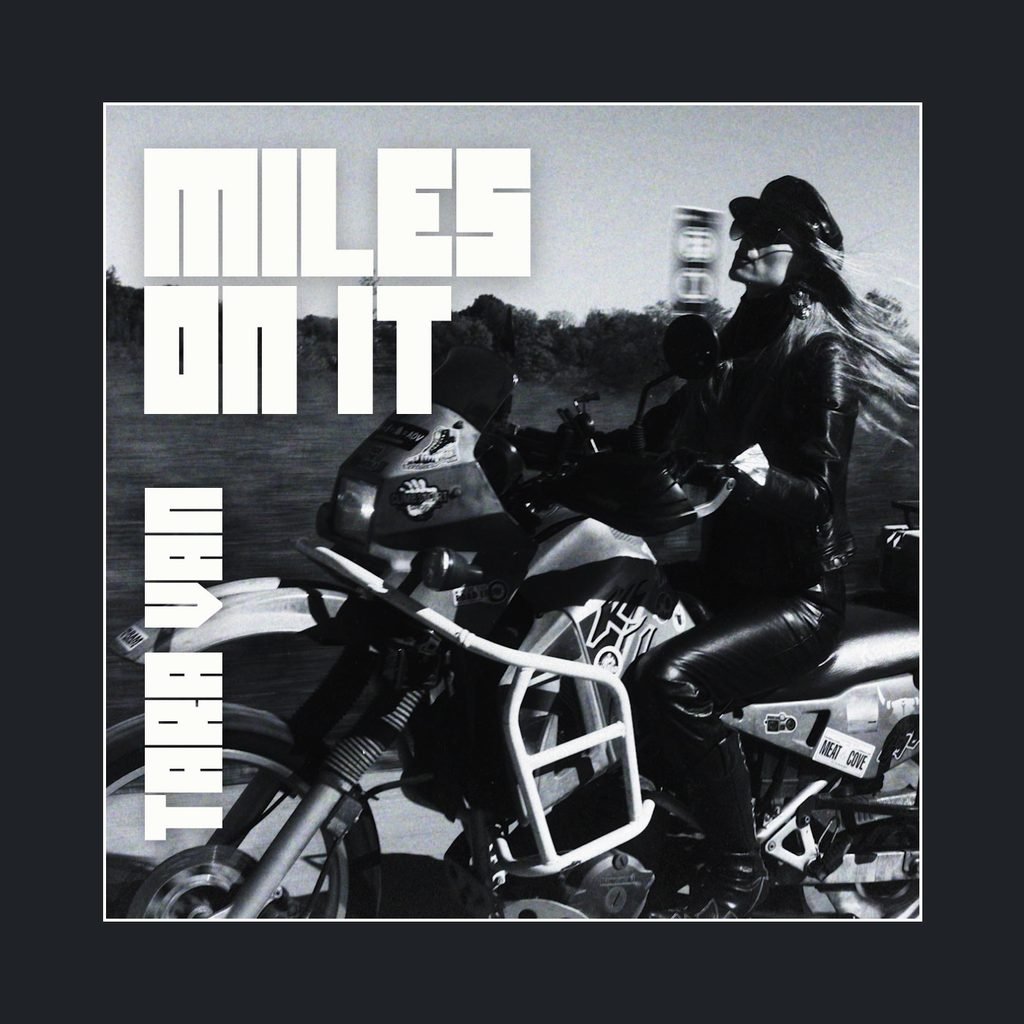
There is a small instrument on every motorcycle that never resets. The odometer keeps its count whether you sell the bike, park it for a winter, or finally ride it until the tank is empty. The cover of MILES ON IT places Van on that machine, hair and leather caught mid-motion, the title stacked in block letters beside her. The image looks like a road story. The four tracks are something else. They treat the history of a relationship the same way that dial treats distance: once the miles are on it, they stay visible. You can take the light down. You can close the door. The number does not go back to zero.
The EP opens with the title track. Van sits with a radio and the told-you-sos, the voice close and almost conversational before it opens into longer, airier lines. The arrangement moves at the pace of a drive that has already decided where it is going: dry drums, a steady bass, acoustic guitar that keeps the road in the frame, then warmer keys that arrive without crowding the confession. When the rhythm drops away she is left with the line that hurts most cleanly: “I could’ve loved you, darling / I could’ve made it last.” She does not argue with the ending. She simply notes the fuel that was used. “Runnin’ slow and burnin’ fast / Don’t we all get low on gas.” The chorus returns to the same claim each time: at least they put some miles on it. The voice stays inside the feeling rather than climbing out of it, and that restraint is what makes the acceptance land.
“I’m A Vine” flips the same accounting into something more stubborn. Here the need for support is named without apology. Van sings that she wishes she could stand on her own, that her roots are crooked and thin, that she is a vine and not a tree. The admission arrives over a tight, sunlit funk-soul groove built with Tom Moffett’s horns and Alex St Kitts on bass. The rhythm section supplies the vertical surface the lyric is climbing. When the arrangement thins to percussion and bass she leans in, almost playful: “Get used to me, oh I’m great company.” Then the voice stretches into a long, full note on “I’ll just grow again, babe,” the kind of soul phrasing that turns a limitation into a fact of nature. Cut the vine loose and it finds another place to hold. The track does not treat dependency as a flaw to be cured. It treats it as the material resilience is made from.
“Moving Picture Show,” written with Dan Dwoskin, widens the frame to fifty years. Piano chords move like frames advancing. The voice begins quiet, almost private, then rises into the open air of the chorus while backing voices gather around “On and on we go.” Van wrote the song after an opening night of TIFF, for the festival itself and for her grandfather, the only living founder. The lyric places two people as drops of water in an endless sea, then offers the comfort of the image that keeps moving: “It’s all a moving picture show.” The fifty years are not abstract. They are the specific distance a shared life has already covered, the record that still shows even when the individual frames grow dark. The arrangement understands that comfort as something built, not assumed. The piano stays clear. The voices arrive only when the line needs company.
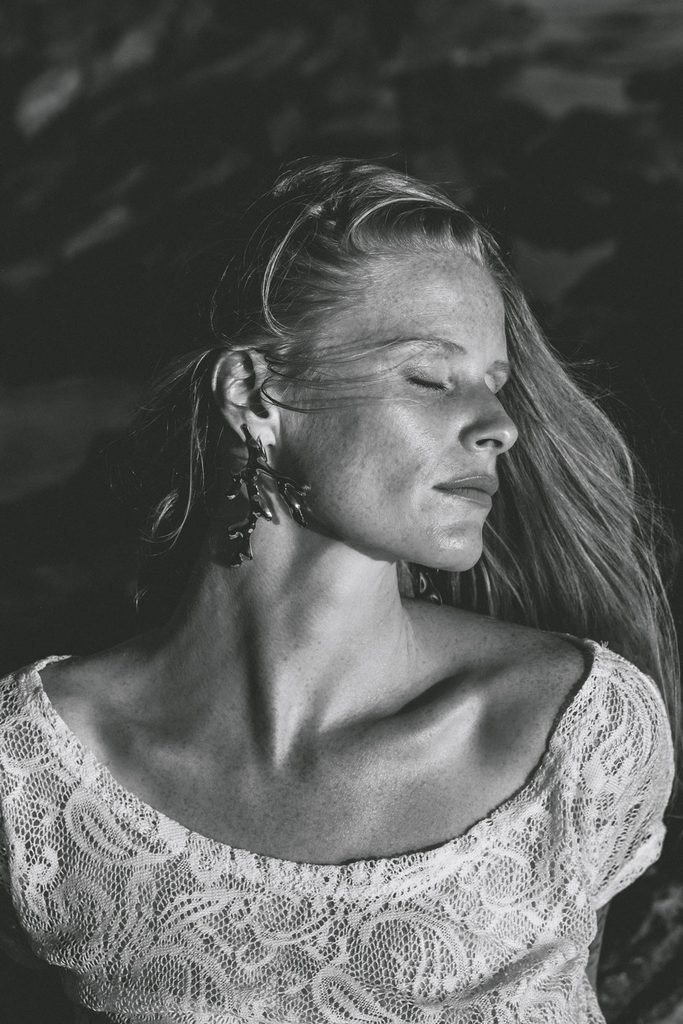
The final track is the rawest. “Take Your Light Down(Bonus live studio demo 2026)” was captured in one take at Apt Sea, one microphone, Calderone on guitar, Van singing. The percussion at the start marks time inside a room. The acoustic guitar stays close and unadorned. Van’s phrasing begins held and tired, then lengthens into blues-leaning turns as the decision hardens. She has closed the door before. She has done her time and paid her fine. The remaining feeling is “like a bruise, like a sore.” She prefers the dark. When the kit steps back and only the guitar remains, the voice climbs on the repeated line “I’m taking your light down,” holding the last word until it thins. The choice is deliberate. In a moment when so much recorded music can be generated rather than played, the track keeps the friction of two people in a room, the small mistakes and the breath that cannot be edited out.
Across thirteen minutes the four songs keep returning to the same ledger. What was leaned on. What was closed. What was shared long enough to be called a record. What was finally extinguished. The production at Apt Sea, shaped by Calderone, favors the heat of instruments played close rather than layers that hide the count. Horns, piano, bass, and voice are allowed to occupy the same space without competing for it. The result has the clarity of something that has already been lived and is now being named. The miles stay on the instrument. That is the point of keeping them visible.
Follow Tara Van
MILES ON IT is out now.
Listen: Spotify · Bandcamp · SoundCloud · YouTube
Follow: Instagram · Facebook · X · TikTok · Telegram · Linktree