From Akron’s industrial edges, an independent artist maps personal loss, Irish blood and the weight of the rejected into a sound that has already begun to oxidize.
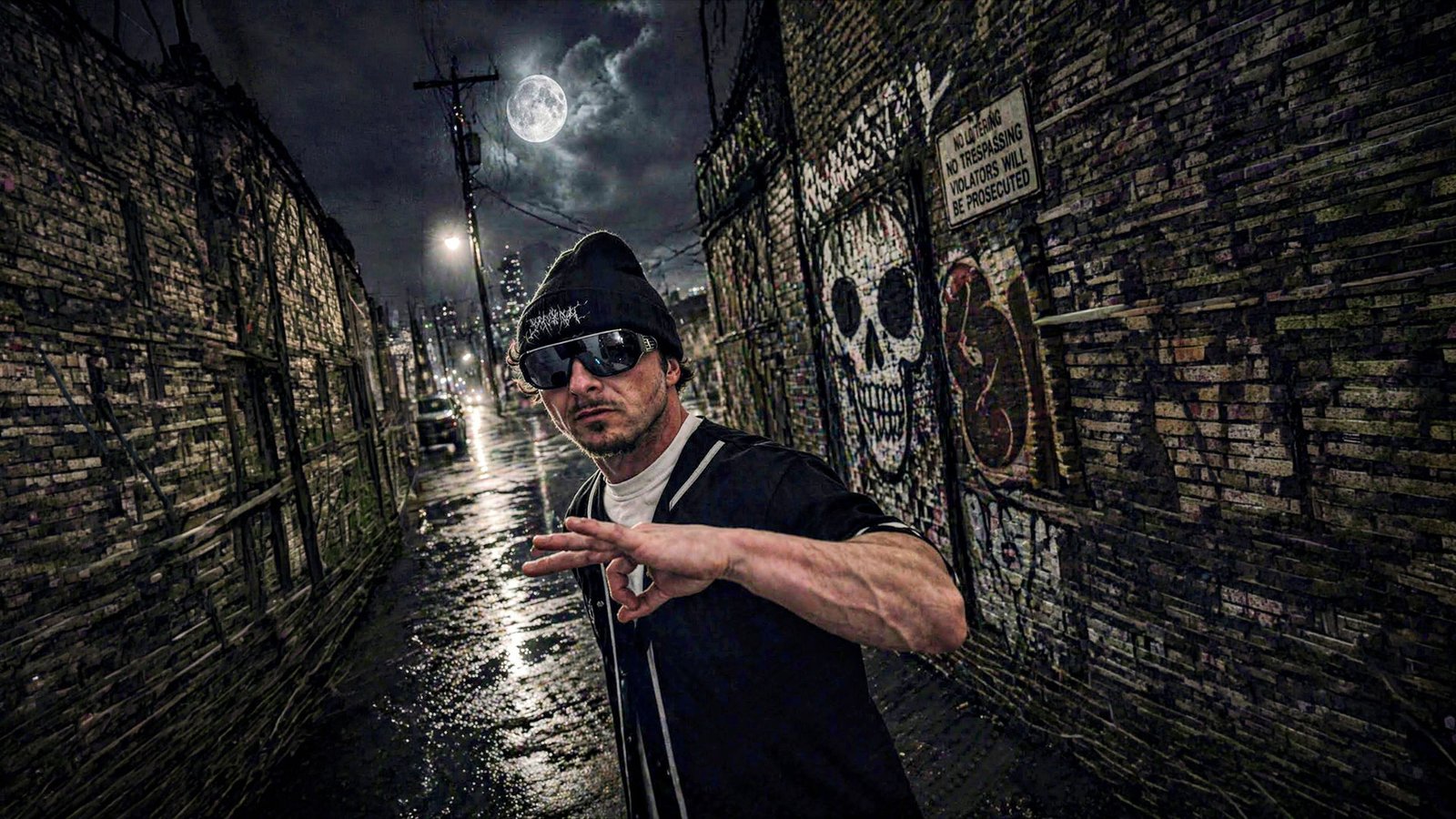
Zmack works from Akron, Ohio, the old Rubber City, deep inside the stretch of country that once manufactured the nation’s future and then watched the factories go quiet. He is fiercely independent. Production and vocals sit almost entirely in his hands, with mixing and mastering support from collaborator Dave and a tight circle of longtime friends who bounce ideas rather than industry validation. The craft was shaped in middle school alongside his late best friend C.J., long hours of rapping and making beats that continued until C.J.’s death a few years ago. That loss still sits at the center. So does the determination that followed a stretch in prison and a deliberate return to the work. Irish-American identity runs through the writing as both inheritance and warning. The project was recorded between home setups and Dave’s studio in Northeast Ohio. It does not ask for permission from outside scenes.
Released on August 1st 2026, Rustbelt Rejects is an eight-track original album that refuses a single genre box. Memphis trap drums sit next to industrial textures, distorted slap-bass, power-tool grit, dubstep low end, horrorcore narratives, phonk bounce and the occasional shadow of nu-metal or funk-metal weight. The title is not decoration. It names the place and the posture.
Think for a moment about what rust actually does. Iron meets oxygen and moisture over time. The solid surface begins to flake, change color, lose structural certainty while gaining new texture and history. The process is slow, inevitable in the right climate, and it marks everything it touches with the evidence of environment. Zmack subjects familiar hip-hop forms to the specific climate of Brady Lake and the wider 330. The result is not pastiche. The genres oxidize. They pick up the damp, the abandoned water towers, the loyalty codes that outlast the factories, the private ghosts that refuse to leave the booth. What emerges is a dirty rust sound that carries place inside it rather than describing place from a distance.
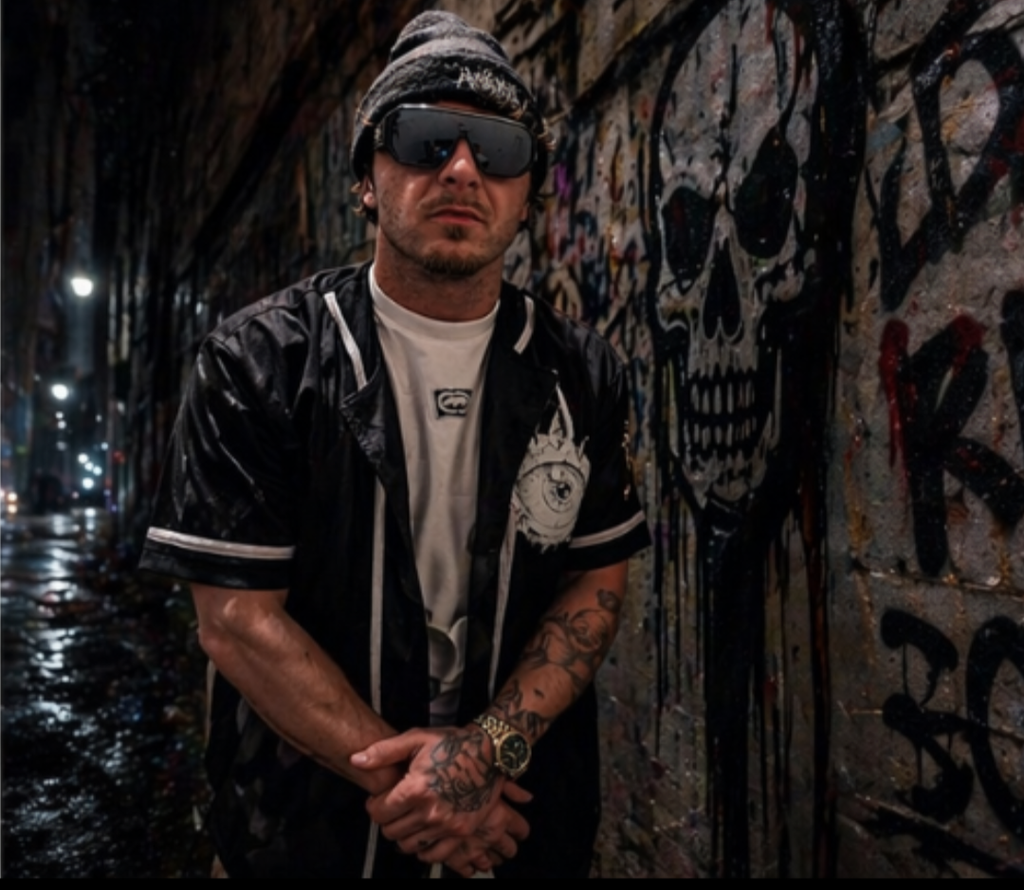
The album opens with “Rust Sound,” a statement of coordinates. Paranoia rides shotgun. Angels and the devil keep the books. The white boy from the little lake under the sun town names himself and the territory in the same breath. The production stays metallic and low, as if the track itself has been left outside through a few hard winters. “Blood of the Irish” detonates the threat. Explicit violence arrives with a clear awareness of mortality. The Danny Greene reference lands with local precision. Cleveland’s old Irish mob mythology is not costume. It is bloodline claim and fatalism in the same line. The pre-chorus turns inward. Aggression becomes the armor around something already rotting in silence.
“Pressure” is the pure kinetic peak. Repetition becomes physical. The track leaves almost no air. Built from the dirt, raised by the pressure, solving problems with hands rather than distance. The sound design matches the title. Everything presses. “Streetlights” shifts the temperature. Flickering lights, rain, September grey, and the sudden weight of a daughter who dies. The cold heart is explained without soft focus. Loyalty to the bloodline and the need to keep the younger ones standing become the only remaining reasons to stay upright. The track earns its place as the emotional center by refusing to separate the street code from the private damage.
“Clown” returns to territorial mockery, mapping Shaker to the Lakers to West Park with Irish mob swagger and a derisive bounce. “Dirty Muskrat” sinks into exhaustion and mechanical revenge. The repeated title becomes a degrading mantra. Loyalty has thinned. Autopilot and numbness take over. “Brady Lake Phonk” reclaims the local name as celebration and threat at once. Trunk-rattling low end, cowbells, the reappropriation of the muskrat as a symbol of the ones who run in the dark. The album closes with “Shooter (Rusty Romp).” The paranoia of the opening has completed its transformation. The narrator is now the silent mover, the one who claims the three-three-O and leaves no room for rescue. The circle closes without resolution, only ownership.
What gives the record weight is the consistency of its world. The production never polishes the corrosion away. Distorted bass, industrial edge, Memphis drums and phonk elements are allowed to sit in the same climate and change one another. The writing stays local without becoming provincial. Brady Lake, the Rubber City, the Irish bloodline, the dead friend, the prison time, the code that keeps the younger ones from folding. All of it is treated as material rather than marketing. The album does not announce its importance. It simply occupies the space it was built to occupy.
Rustbelt Rejects is the sound of an artist who understands that certain places leave a permanent residue on the music made inside them. Zmack has turned that residue into method. The result is dense, personal, and already marked by the environment that produced it.
Follow Zmack
Rustbelt Rejects is out now.
Listen: Spotify · Amazon Music
Follow: YouTube