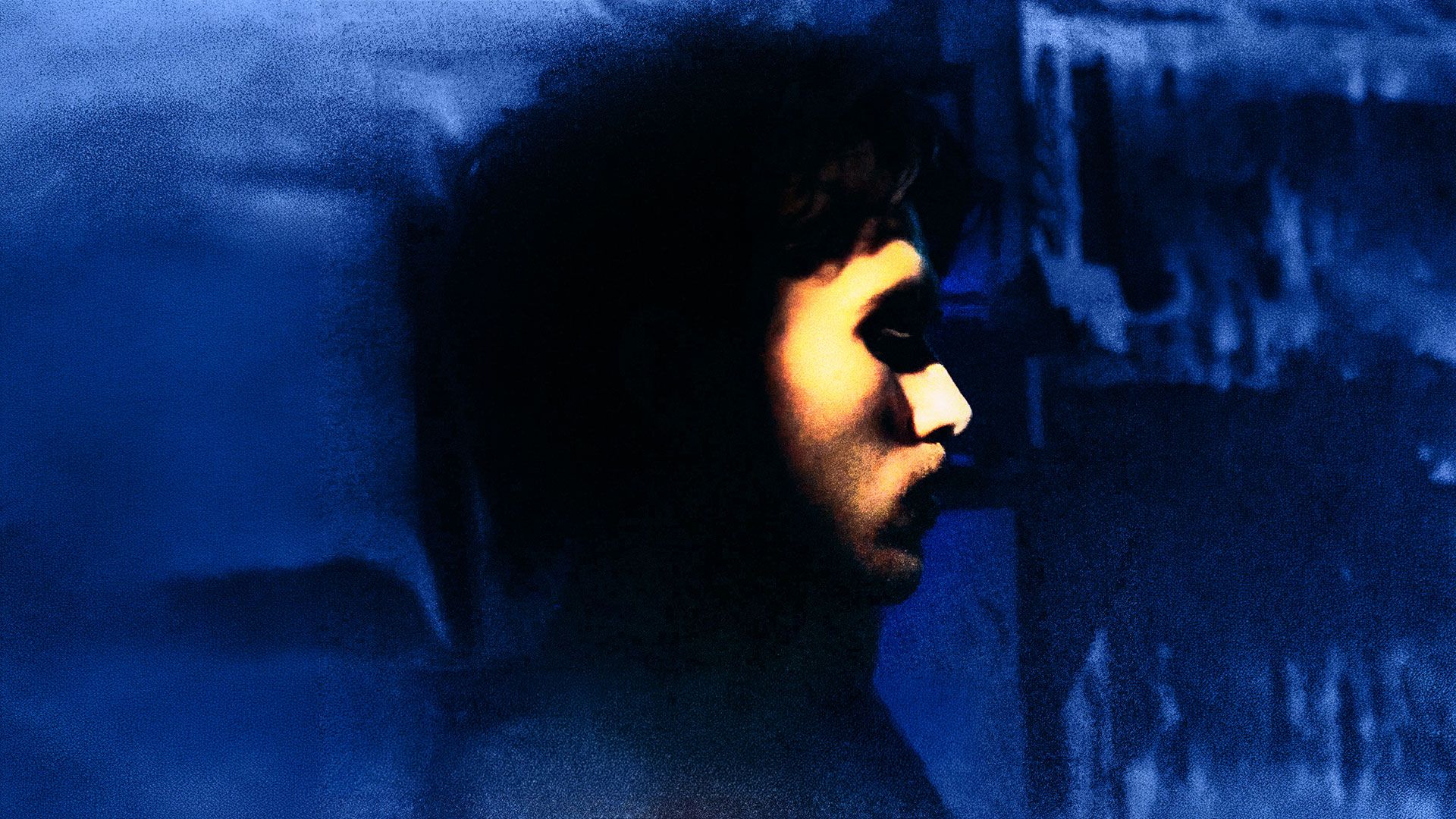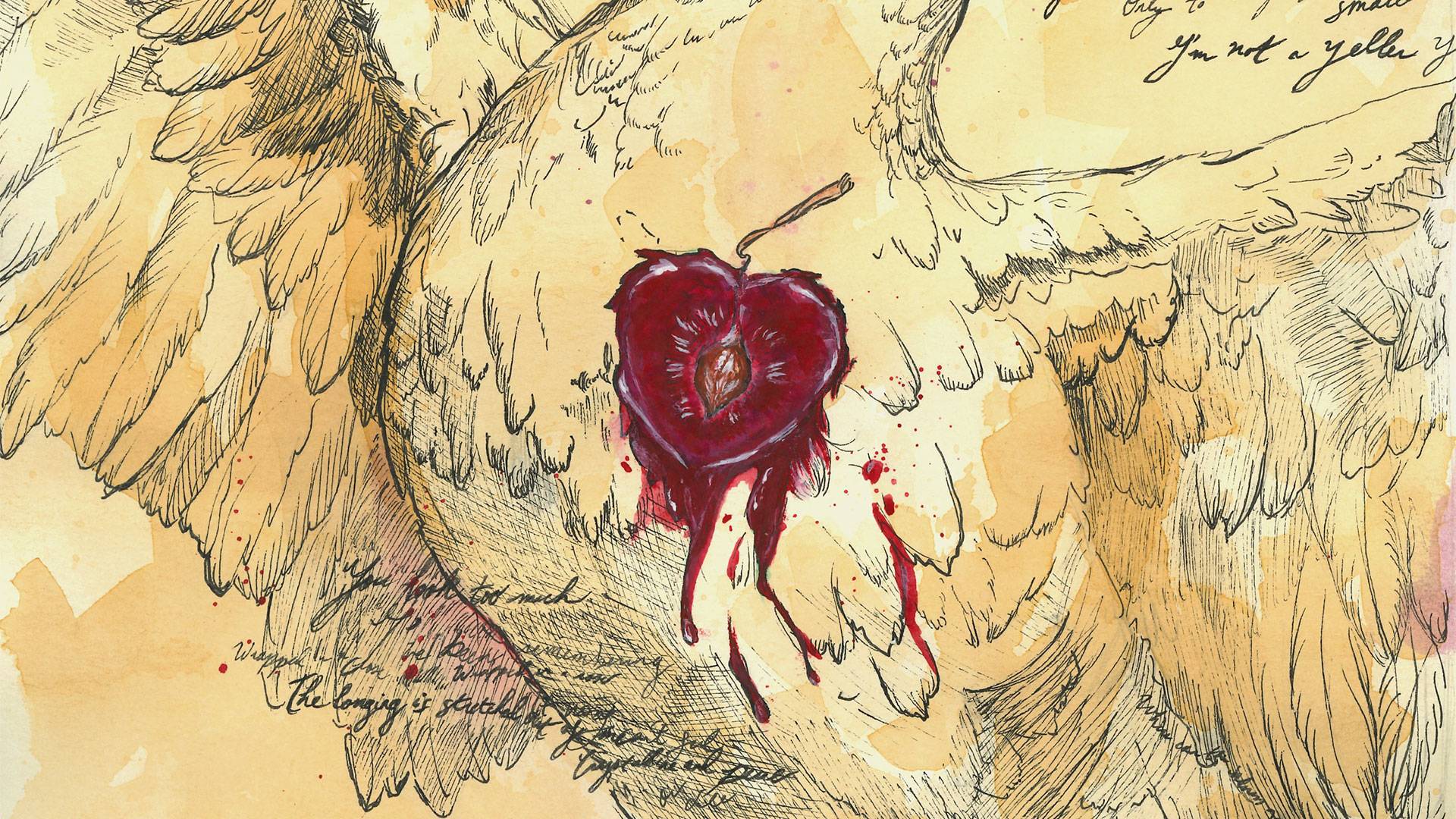
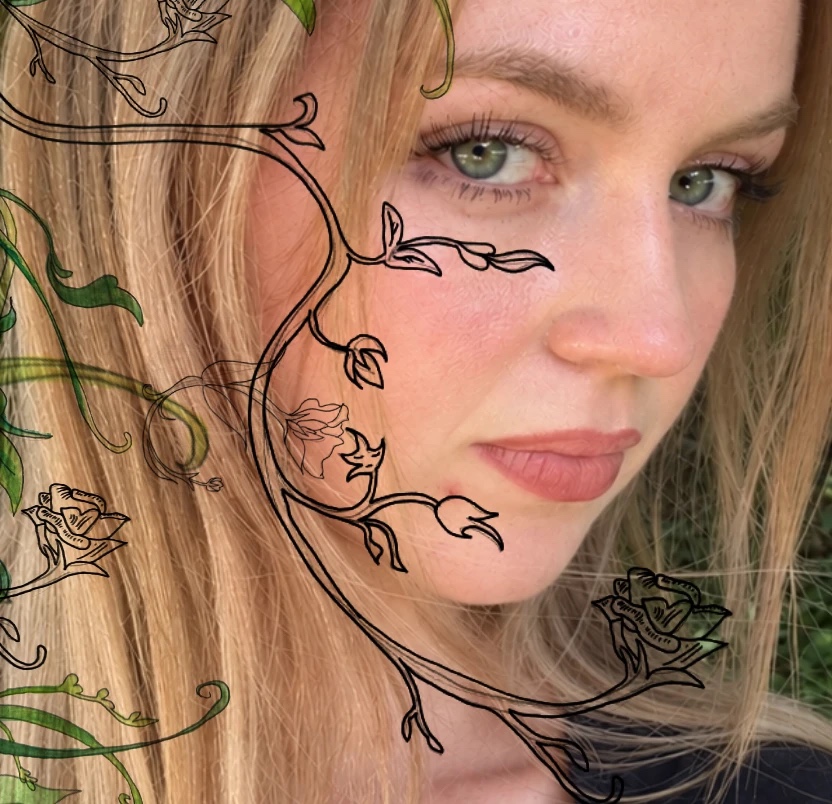
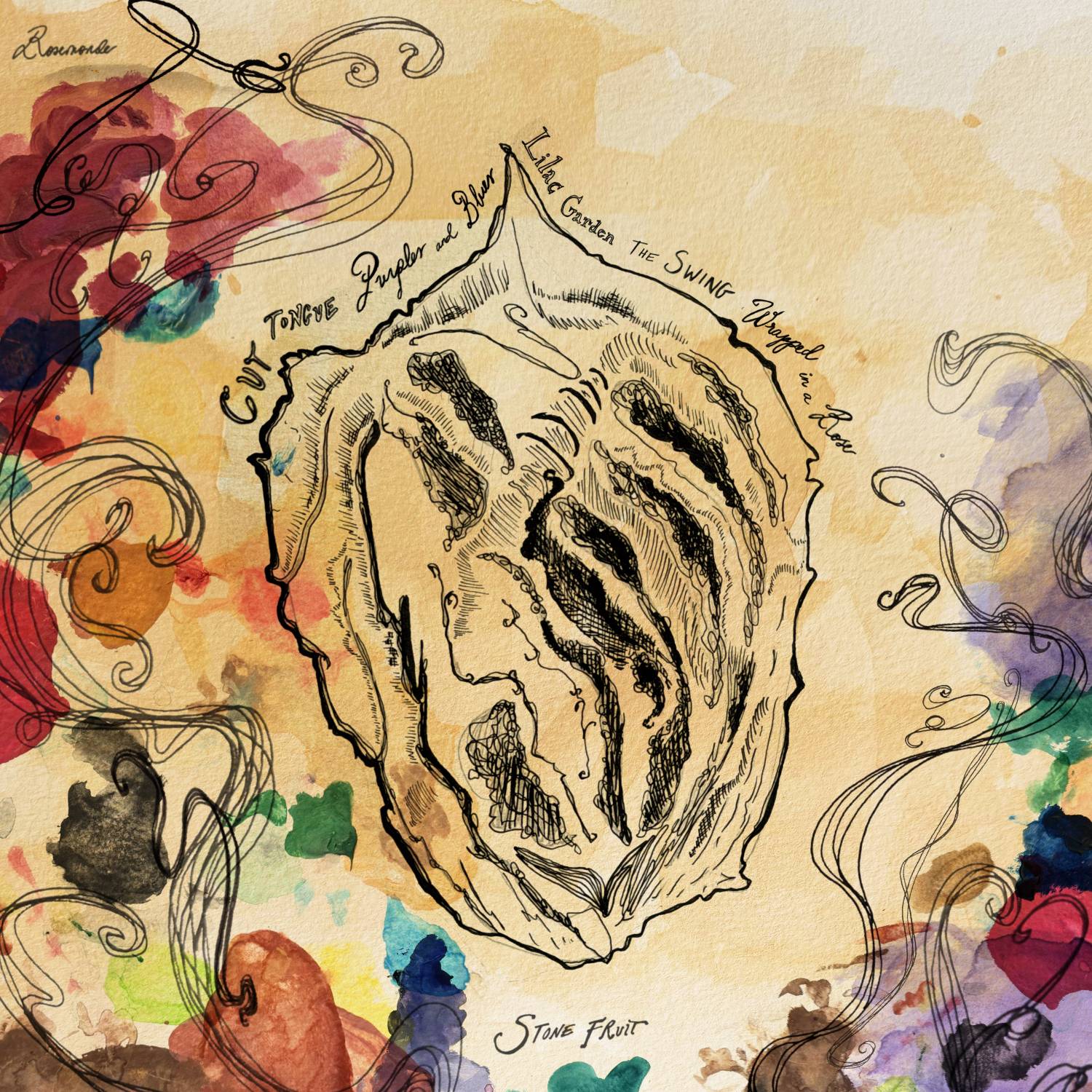
Rosemonde is the project of LilyAnne Dayre, an Atlanta-based singer-songwriter and visual artist who is currently a second-year law student. She began the name earlier this year as a place for work shaped by classical literature, color, and the relation between sound and image. She writes and produces the songs and draws every illustration by hand. Stone Fruit is the debut EP, five tracks that run about seventeen minutes. Dayre works with the kind of careful, literary attention that treats a private wound as something that can be examined without being turned into spectacle. The result sits in a chamber-pop and art-pop space that will appeal to listeners who want atmosphere and precision over volume, and who are willing to sit with difficult intimate material when it is handled with restraint.
In the seventeenth-century Dutch still lifes that include cut stone fruit, a peach or a plum is often set beside a wilting flower and a half-empty glass. The soft flesh has already started to bruise. The hard pit stays untouched. The painters used the fruit to make time visible without needing a clock. Dayre’s title points to the same image, soft flesh around an unyielding pit, and she has said the hardest part of something painful might also be a seed. The record itself is not about fruit. It is about a wound received inside a relationship, the kind that leaves a cut tongue and a bloody mouth, that turns the tenderest hues into purples and blues which then have to be worn as glamour or hidden by love. The domestic pageantry is already singed through. The pit remains.
“Cut Tongue” opens on that first injury. The voice stays close, almost under its breath, as if the words have to move carefully through the damage they name. “Got me a cut tongue / And a bloody mouth.” What follows, “Don’t run your mouth / On things you don’t know anything about,” arrives as the language of the person who caused the wound, turned back. The piano holds slow, solemn chords in broad reverb. Strings and organ-like tones open around them. When the question collapses to a repeated “How?” and then “You are my love,” the room feels emptied.
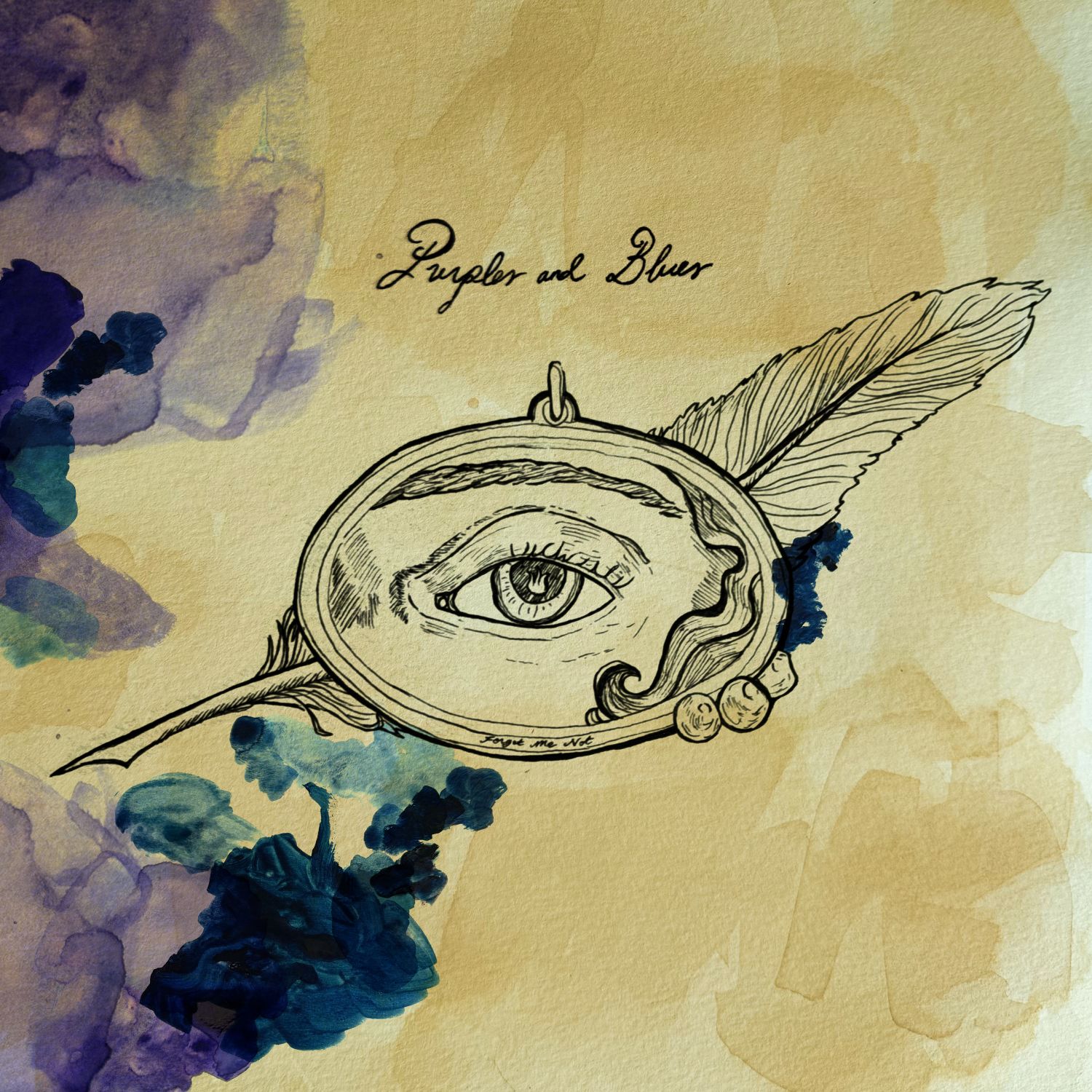
“Purples and Blues” makes the bruise the central fact. “Love, I didn’t know you could bruise / The tenderest hues.” The hard-won plumes are honored as love and then hidden by it. The same restrained chamber writing continues, piano and long string lines tracing the surface of a house whose wallpaper was new until smoke ruined the room. “Velvet brocade, singed through / Pearl and ivory, stripped nude / Pain and pageantry, unspooled.” The final lines, “I’m no coward / But I was afraid of you,” shift from present fear to past tense. The distance is small, but it is the first distance the record allows.
At the center, “Lilac Garden” is the place where praying ends. The rot that was watered drowns indifferent. What was hoped for is put down deep to die. The piano is more sparse. There is no percussion to mark time. The repeated close, “No morning ever dawned / More favorable than ours did,” holds the memory without trying to bring it back. The voice stays low and even.
“The Swing” moves the same slow piano and wide reverb into a different logic. The figure on the swing looks younger, smaller, too much like a little brother. “I want you safe / Oh where is your mother?” The earlier “calloused charisma” and “crazed and strong” are now seen as something that was humming and dangerous. The voice remains soft. The decision is not to interrupt the moment that belongs to the other.
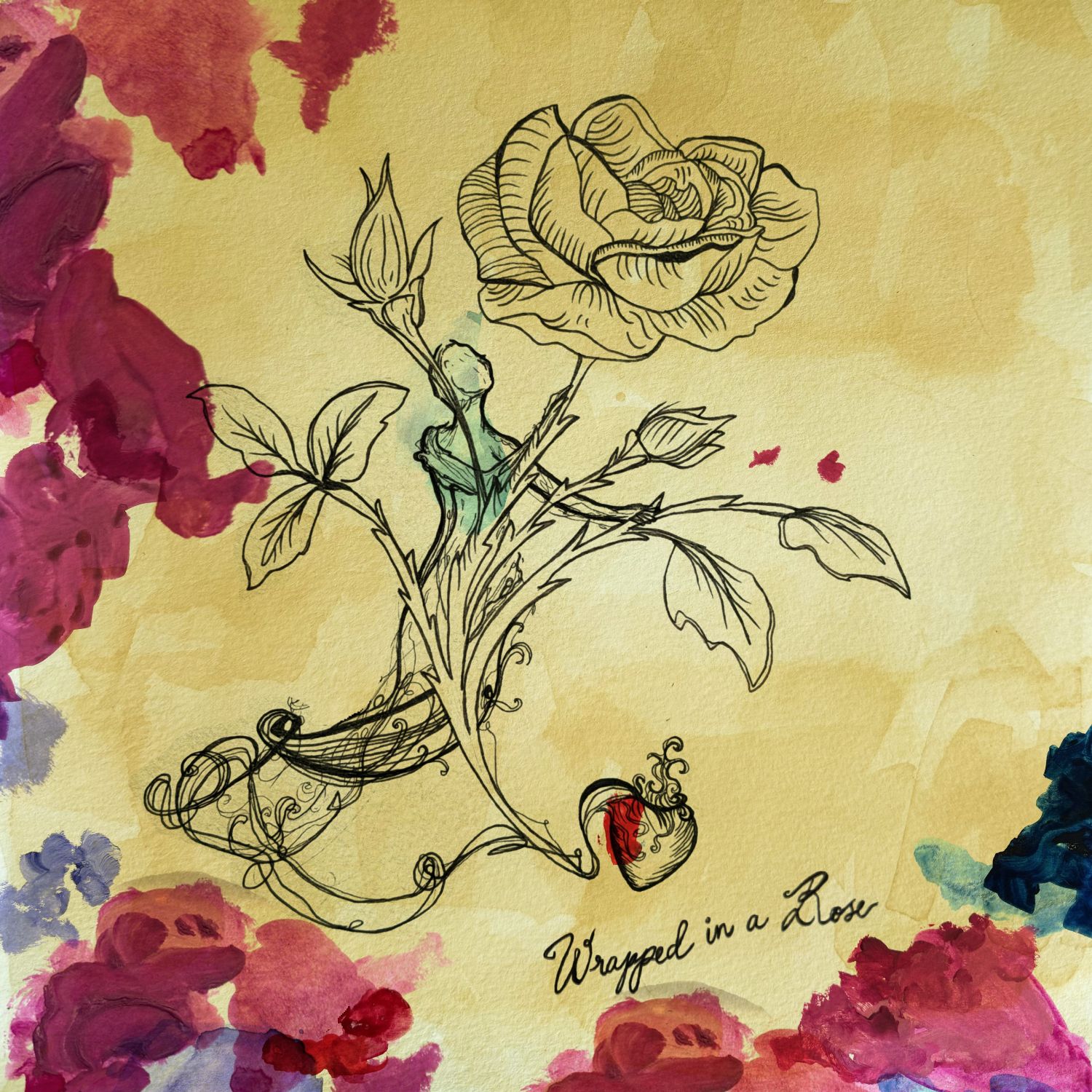
“Wrapped in a Rose” begins with a close, remembering tone. The child is wrapped in a flower, wrapped in a rose. The search becomes active. “I will find you / I won’t hide you / I can even love you now.” When the line “In a carmine wave of petaled flesh / I’ll shear this field barren” arrives, the strings and layered voices open fully. The red that began as blood, the “scarring scarlet spout” of “Cut Tongue,” returns as carmine, the color of the petals being torn to reach what was hidden.
Across the five songs the production works by subtraction and depth. Slow piano chords sit in broad reverb. Synth pads and organ tones and long string holds fill the space. There is almost no rigid percussion. The voice starts near the ear, breathy and careful, then opens into more sustained registers when the words reclaim room. The seventeen minutes hold as one arc. Listeners who follow artists working in atmospheric, literary chamber-pop, and who value records that treat private harm with clarity rather than drama, will find a clear signal here. What gives Stone Fruit its weight is the precision with which it follows that wound from the first silencing through the exhausted garden and into a later tenderness that can look at the other as small and soft, and that can go looking for the child self still wrapped in a rose.