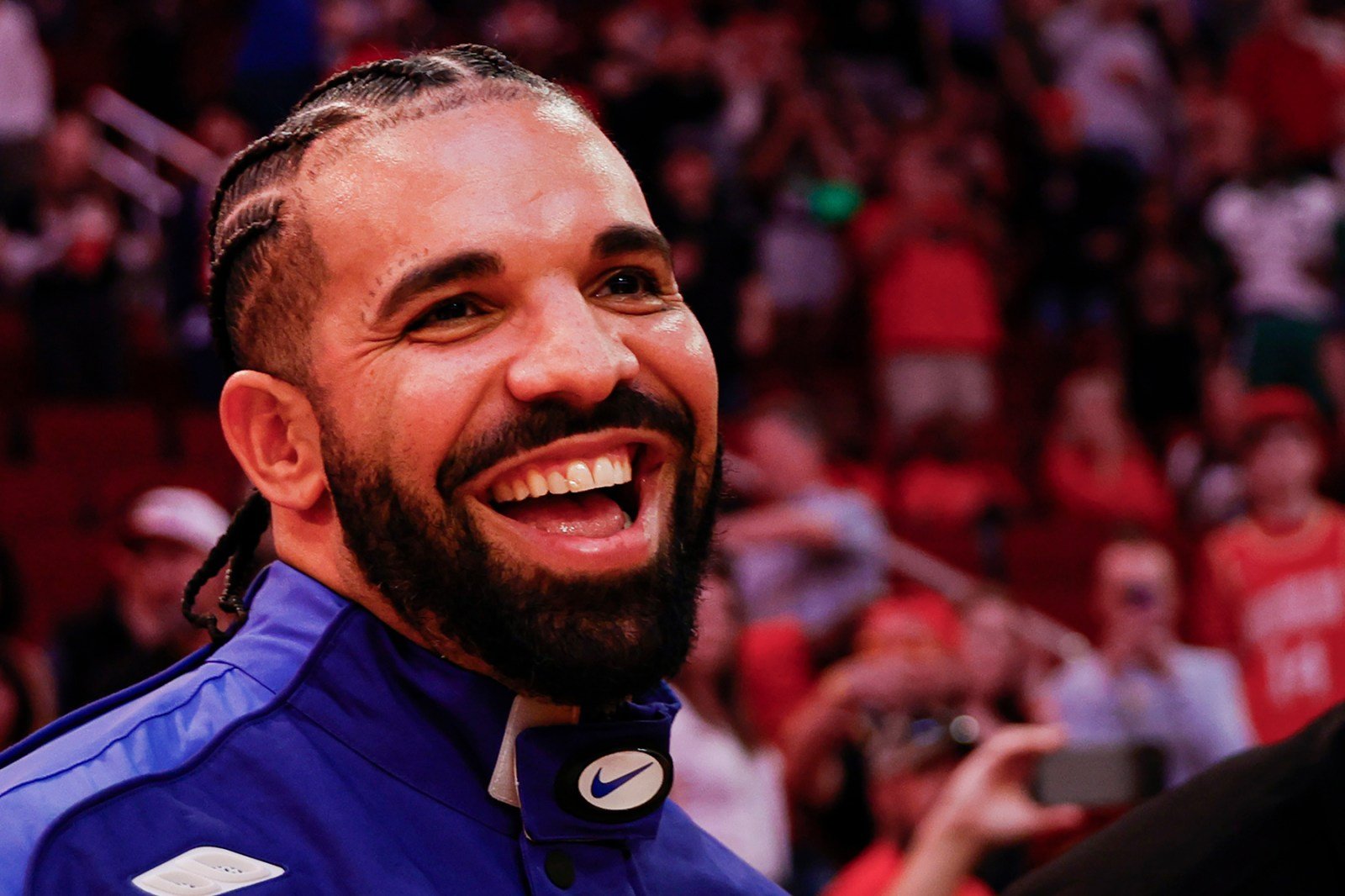
Earl Sweatshirt Turns Drake’s ‘Don’t Worry’ Into a Tour Finale
The rapper’s nightly karaoke-style rendition of a deep Icemancut bypasses stan-war noise to focus on a sharply written revenge song.


Tag
The rapper’s nightly karaoke-style rendition of a deep Icemancut bypasses stan-war noise to focus on a sharply written revenge song.
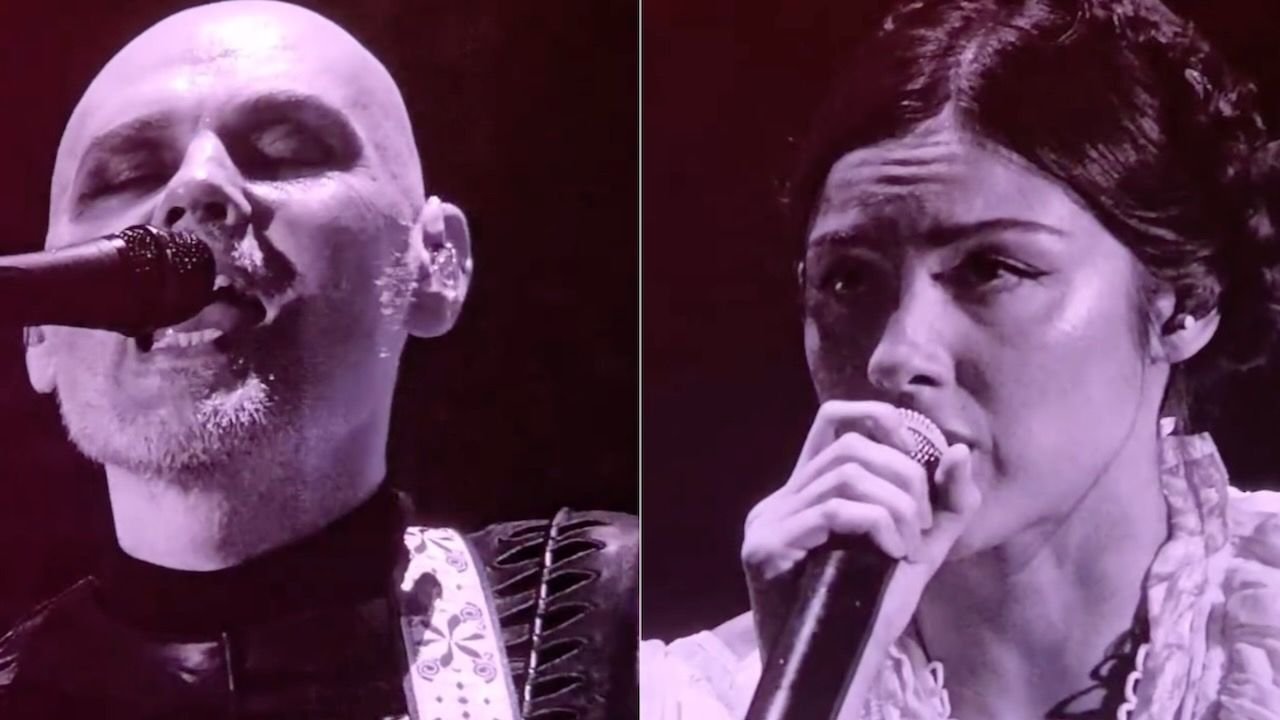
The appearance, nearly upstaged by an airport sighting, extends a pattern of Rodrigo paying direct homage to ’90s alt-rock figures onstage.
Paul McCartney performed “I Want to Hold Your Hand” live for the first time in 62 years during Taylor Swift and Travis Kelce’s Madison Square Garden reception, marking a rare return to a song he had never played solo.
During Megadeth’s farewell tour stop in Finland, Dave Mustaine took a moment to call out a local journalist whose question rehashed a decades-old rivalry.
Years before streaming flattened genre, Nirvana already crossed lines that shouldn’t have been crossed. A personal memory from campus radio days underlines how far the band’s reach extended, and why the MTV Unplugged performance still matters.
The Iron Maiden frontman questions why some veteran performers tolerate a decline they’d never accept in their crew, drawing a hard line between a legendary past and a diminished present.
Ralf Hütter spoke only a handful of words during the Waterfront Hall performance, but a tender nod to the late composer marked one of the evening’s clearest signals of Kraftwerk’s lasting human pulse.
Before the interview, Vile gave TAFS Unplugged an early look at his next album, including the unreleased love song “Every Time I Look At You.”
Two and a half years after his breakout SNL debut, Noah Kahan returned to the show as the owner of a #1 album. His performances of "The Great Divide" and "Doors" captured an artist in a different mode.
Jane Remover has constructed one of the most distinctive bodies of work in contemporary music by treating genre not as container but as material under constant stress. Their sound moves through distinct phases, early digicore precision, hyperpop fracture, shoegaze expansion, and the hybrid large-scale urgency of recent releases, yet the central method remains unchanged: forms are pushed until they crack, and in the fissures new emotional and structural possibilities emerge. The result is music that refuses resolution while insisting on presence, mapping the exact pressure points of digital-era listening with technical sophistication and unflinching directness.