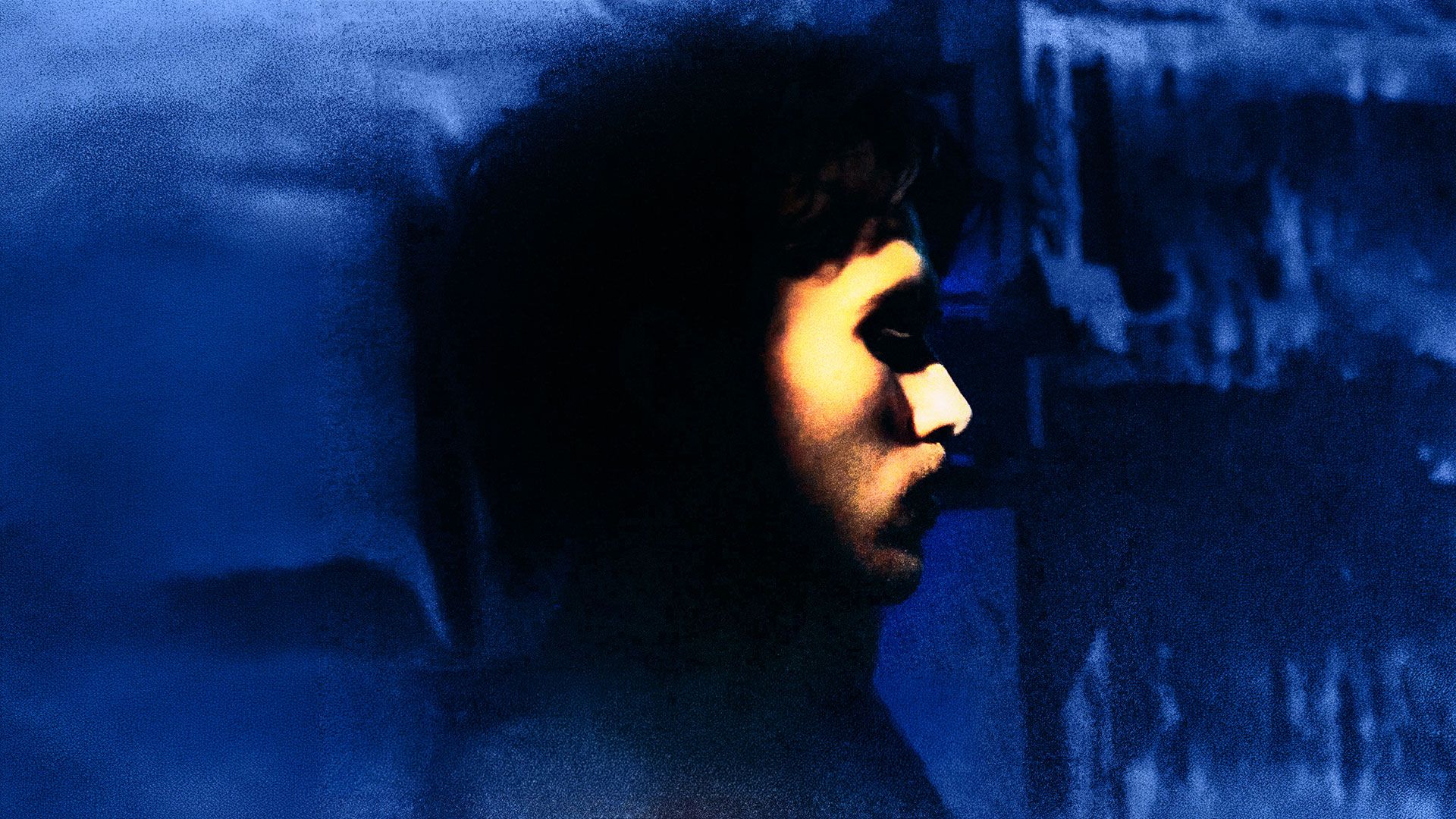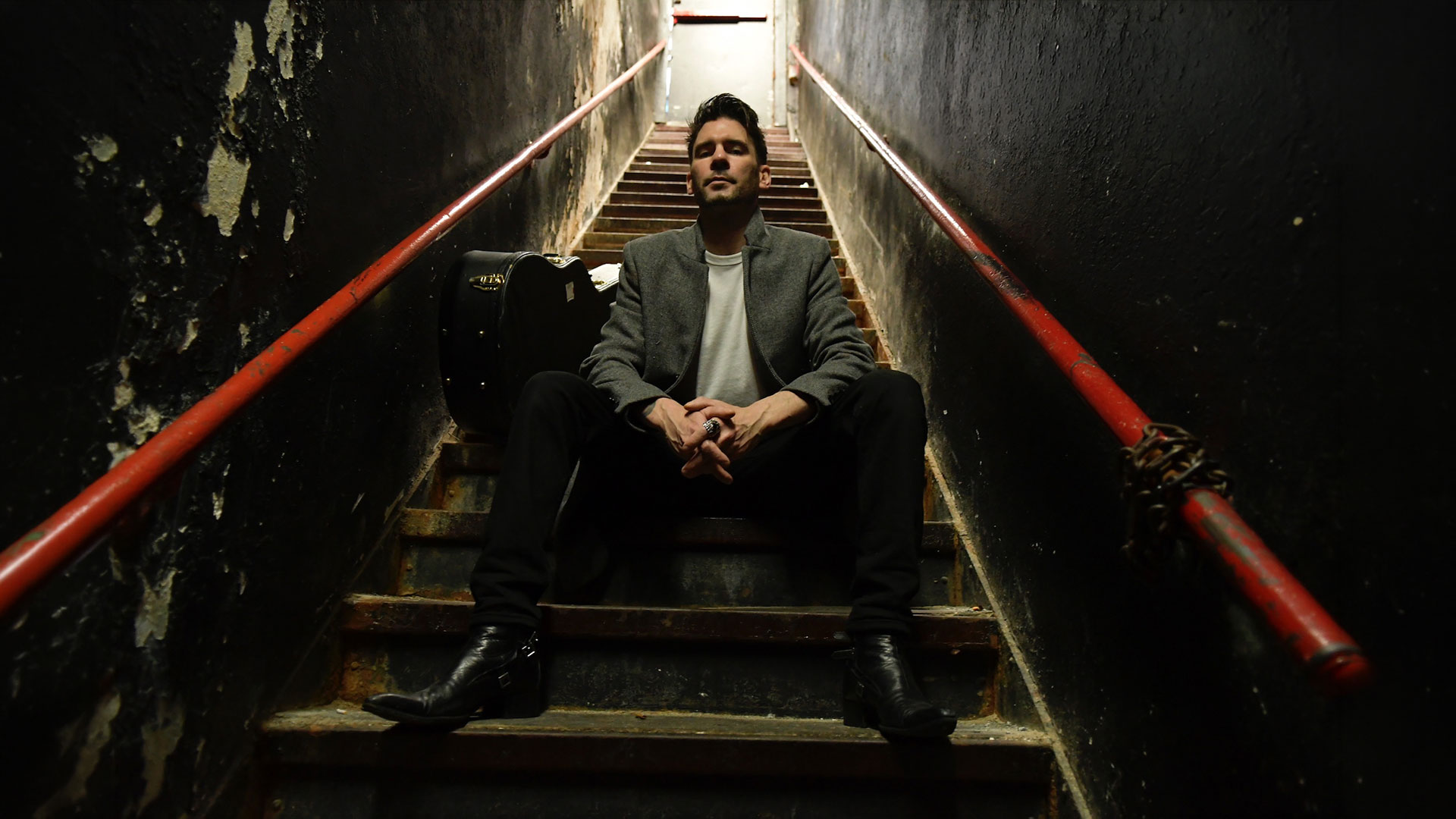
Good Louis is the Brooklyn project of songwriter Patrick Owen, who spent years in the Silver Lake and Echo Park rooms that once made Los Angeles feel like a workable map for indie rock. The Roxy, Spaceland, The Echo, the Bootleg Theatre. KCRW airplay. The kind of local press that still mattered when local still meant something. Coverage from the Los Angeles Times, NME, SPIN and LA Weekly followed. He eventually moved east. Stays Alive is the fifth album. Hope You Will is the first single from it, recorded at Atomic Sound in Brooklyn and produced by Thad DeBrock, with Todd Caldwell on organ, Rich Mercurio on drums and Lee Nadel on bass. The references sit where they always have for him: Dylan's sense of story, Petty's sense of melody, a retro rock and Americana frame that never quite settles into pure nostalgia.
There is a particular kind of American town that keeps its people by making the weather feel personal. The forecast becomes a reason. The letter that was supposed to explain everything stays delayed. The dealer is the only appointment that keeps. In those places the idea of leaving starts to sound like a story you tell yourself after the evening has already started, which is when the days invert and the pain becomes something you can schedule. Good Louis understands that the only counter-offer with any weight is not a better forecast. It is a seat.
Hope You Will is about two people who have already begun the slow work of disappearing inside the same kind of town. The verses name the condition without decoration. "Waking up in the evening, aching and believing / Taking my time fading away." Then the recognition of the mirror: "And you looked like a healer, settled with the dealer." The tether is explicit. "But the town had you tethered, hopeless to the weather / No one there to tell you life is good." The chorus does not argue with any of that. It simply offers the ride. "You can ride with me / I hope you will." The song treats escape as mutual, not heroic. One person who has already lost the plot of his own days is offering the same chance to someone whose cards have also come up short. Later lines sharpen the same point. "You had been waiting on a letter, to talk of something better / That's on the horizon coming with the sun." The letter stays on the horizon. The ride does not.
The verses stay close to the ground. Steady bass and drums, clean electric guitar, warm organ and electric piano. The voice stays conversational, almost dry, as if the confession is still being sorted out in real time. When the chorus arrives the space opens. Guitars thicken with reverb, the synths brighten, and the voice lifts into a clear, almost pleading falsetto on the repeated "I hope you will." The plea does not sound desperate so much as ready. The long instrumental sections at the end do not resolve the question. They simply keep the road open.
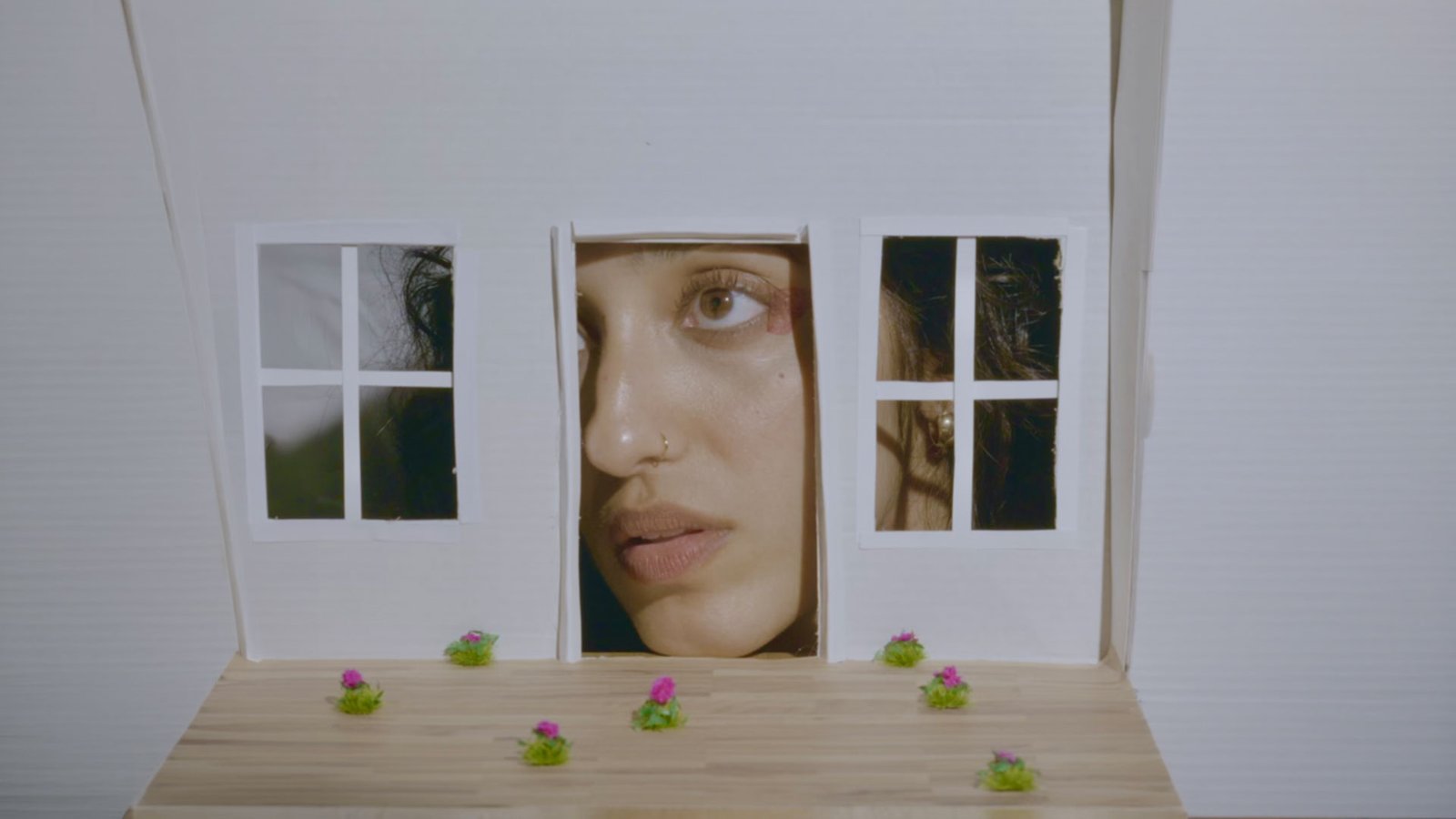
The official video refuses a single narrative. Instead it builds a mosaic of people dancing in the places where ordinary life actually happens. Bedrooms and kitchens where someone jumps on a mattress or dances barefoot with a dog. Living rooms with exposed brick. Then the frame widens to overpasses above traffic, plazas framed by glass buildings, tree-lined parks, the edge of a lake, and rooms lit by neon or geometric color. The guitarist appears on a city terrace with the skyline behind him in late-day light. The opening and closing shots show someone setting down a camera in a living room and later picking it up again, so the whole sequence feels like something that was simply left running. The editing follows the pulse. During the tighter verses the cuts stay with individual bodies in smaller rooms. When the chorus opens, the movement becomes collective: jumps, spins, groups that pass the energy from one dancer to the next. The invitation in the lyric becomes visible as something that can be taken up by anyone who happens to be in the frame.
What the single holds is the clarity of that offer. Not a promise that the town will change, only that the ride is real if the other person wants it. The video makes the same point without needing a plot. Movement itself becomes the evidence.