The Albums
The Bobby Lees – New Self
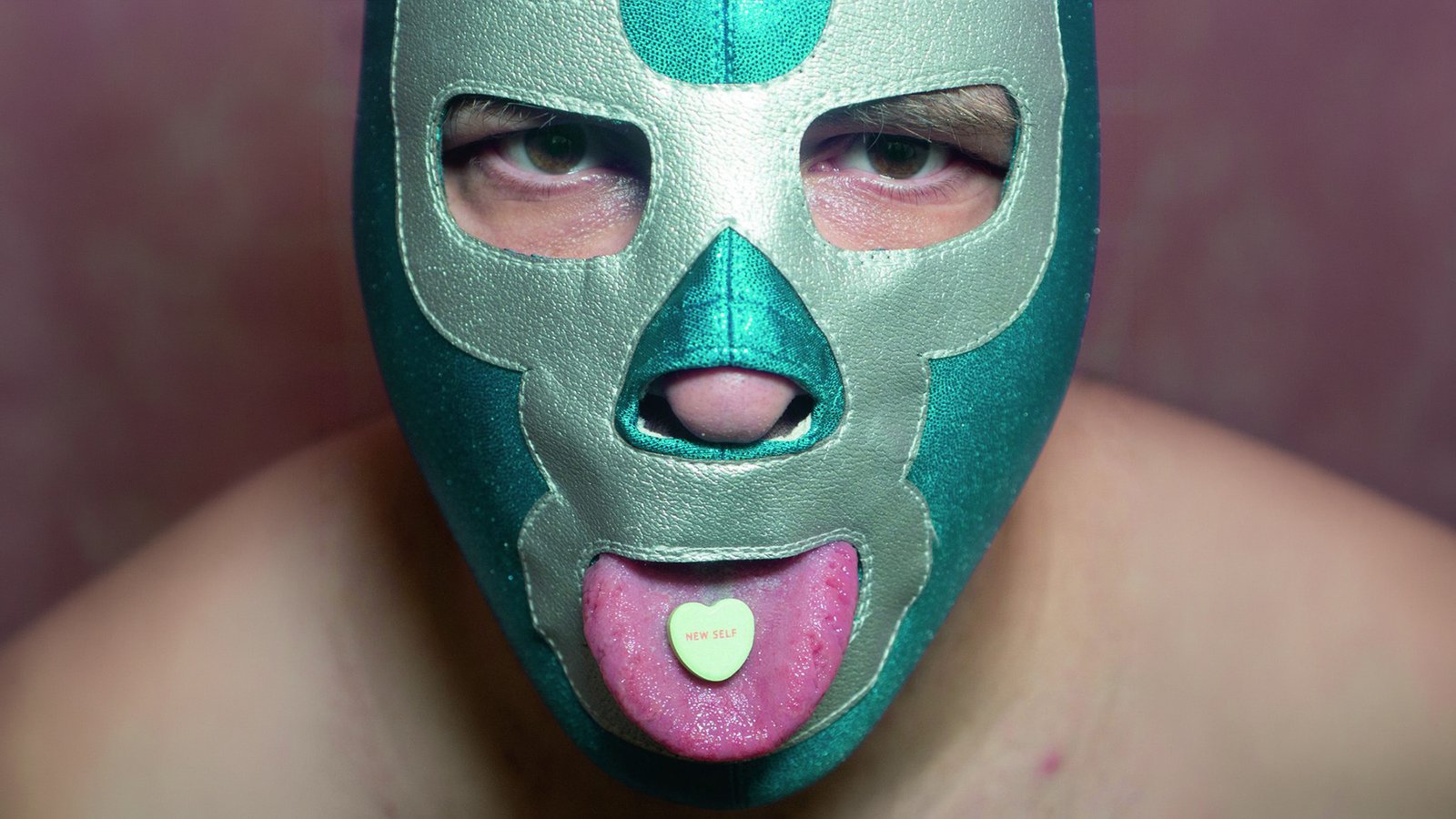
After an indefinite hiatus, The Bobby Lees return on Epitaph with their fourth album and a renewed sense of purpose. Produced by Dave Sardy and Alex Pasco in Los Angeles, New Self folds late-90s hip-hop and nu-metal textures into their raw garage-punk framework without losing the scrappy, live-wire feel that defined them. The title track lands like a motel-room breakdown turned manifesto, with Sam Quartin's lyrics tracing transformation and survival in an industry that nearly burned them out. Jason Momoa's unexpected support adds a layer to the story, but the music stands on its own as a louder, more unhinged statement of intent. It knows exactly what it wants to say and how loud it needs to be.
La Sécurité – Bingo!
La Sécurité sharpen the hyperactive art-punk of their debut into something even more immediate on Bingo!, out via Mothland in North America and Bella Union elsewhere. Disco-punk drums, fuzzed bass and jagged synths carry the nervy energy of a warped early-2000s DFA night into the present. The title track, born from a phone filename, becomes a sticky anthem about bingo halls and elderly people young at heart, with a bassline that nods to Death From Above 1979. The accompanying video plays with the thin line between innocent ritual and manic obsession. The record moves with purpose and leaves no room for padding.
Horse Lords – Demand to Be Taken to Heaven Alive!
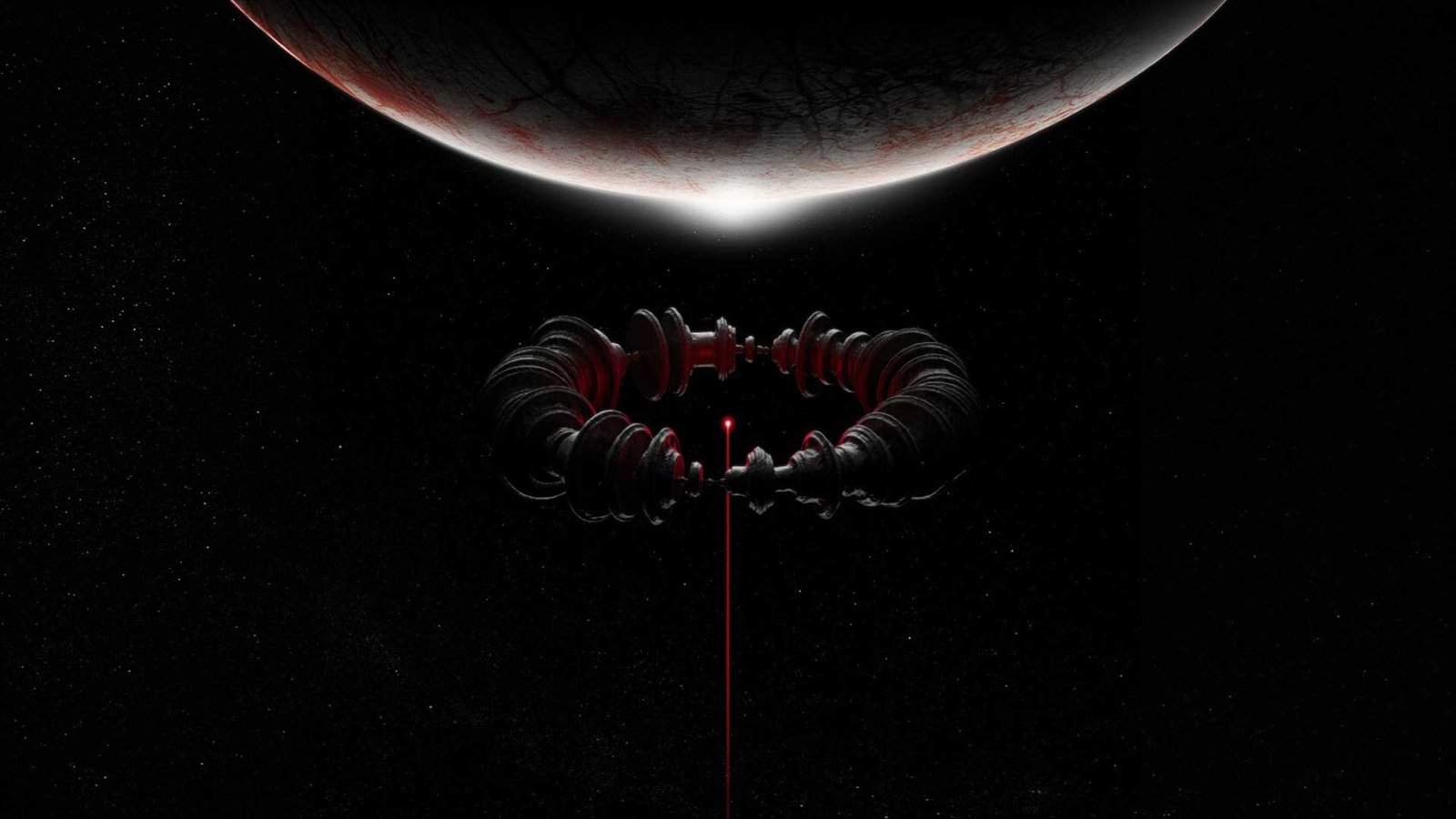
Horse Lords build their most architecturally complex record yet for RVNG Intl. The quartet stretches twelve tracks across forty minutes of interlocking guitar patterns and polyrhythms, augmented by guests on bass clarinet, trombone and voices. What gives the album its weight is the way it treats repetition and overload as tools for rewiring time while still offering the body a clear pulse to lock into. Previews such as "Eureka 378-B / Brain of the Firm" show systems thinking turned into groove. The music feels both impossibly detailed and eminently human, chamber music for a future that still needs to dance.
Big|Brave – in grief or in hope
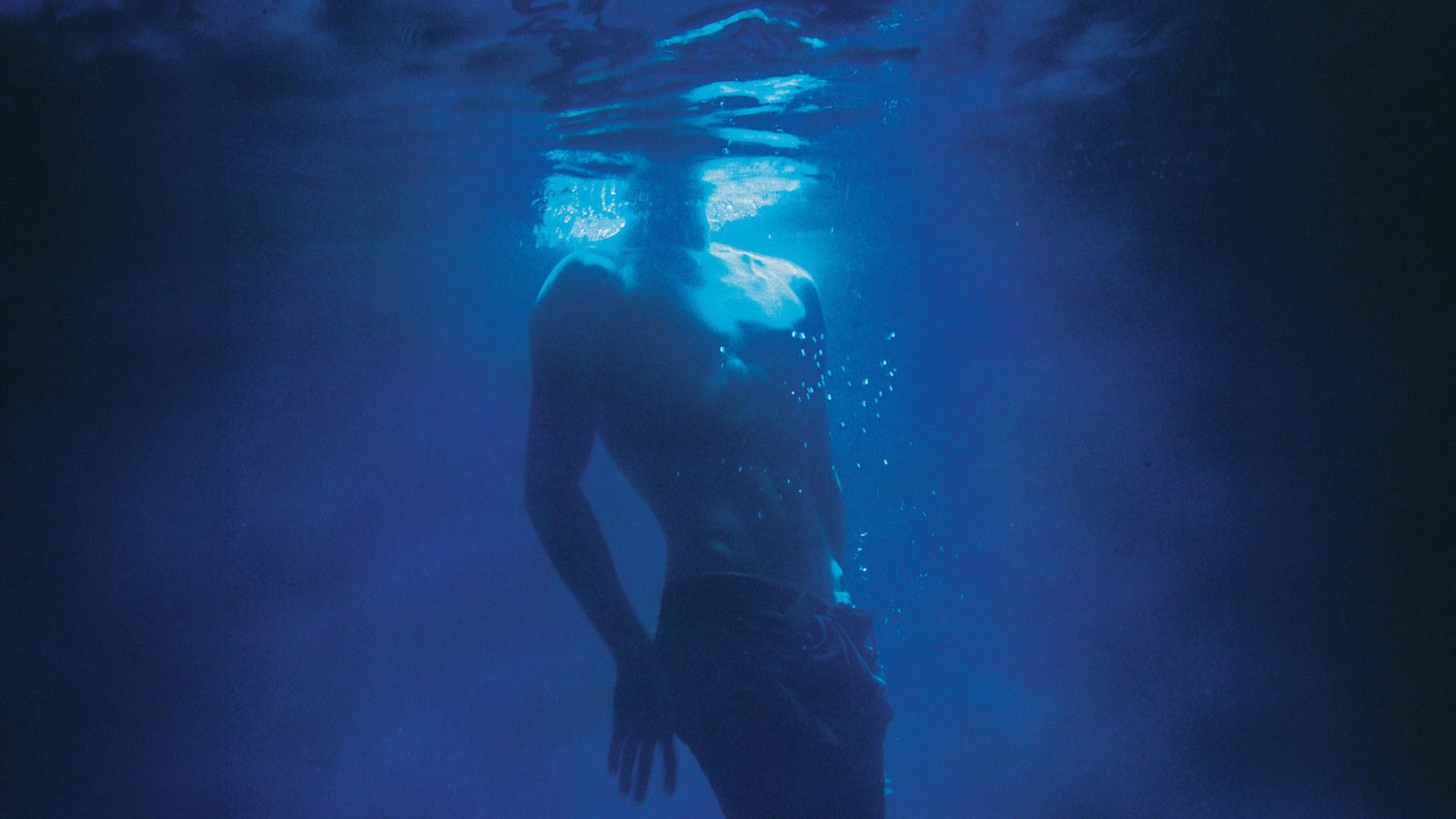
Big|Brave's tenth album arrives on Thrill Jockey as a deliberate pivot that keeps faith with their core language of distortion and emotional intensity. Percussion-free, the record focuses on guitar, voice and texture, with longtime bassist Liam Andrews joining Robin Wattie and Mathieu Ball to shape electro-acoustic doom-folk. The pieces feel minimal yet overwhelming, with Wattie's vocals pushed forward against slowly shifting walls of feedback and drone. It reads as a set of grief rituals stretched across forty-four minutes, pulling threads from their ambient and heavy work into something intimate and ritualistic. The tension between grief and hope is held without resolution, which gives the music its quiet power.
YHWH Nailgun – Magazine
YHWH Nailgun make their 4AD debut with an album that compresses ten tracks into roughly eleven minutes. The New York art-noise unit strips their feral experimentalism down to skeletal essentials, letting Jacob Borzone's apocalyptic lyrics about blood, serpents, God and the Devil sit close and uncomfortable. Produced with Jeff Rosenstock, the record balances maximal distortion against minimalist structure. The songs flash by like shards of a larger, implied narrative, built for a culture of short attention without losing their internal tension. Every blast-beat, feedback squeal and vocal phrase lands exposed and intentional. It is music that knows how little time it has and uses every second.
Yu Su – Foundry
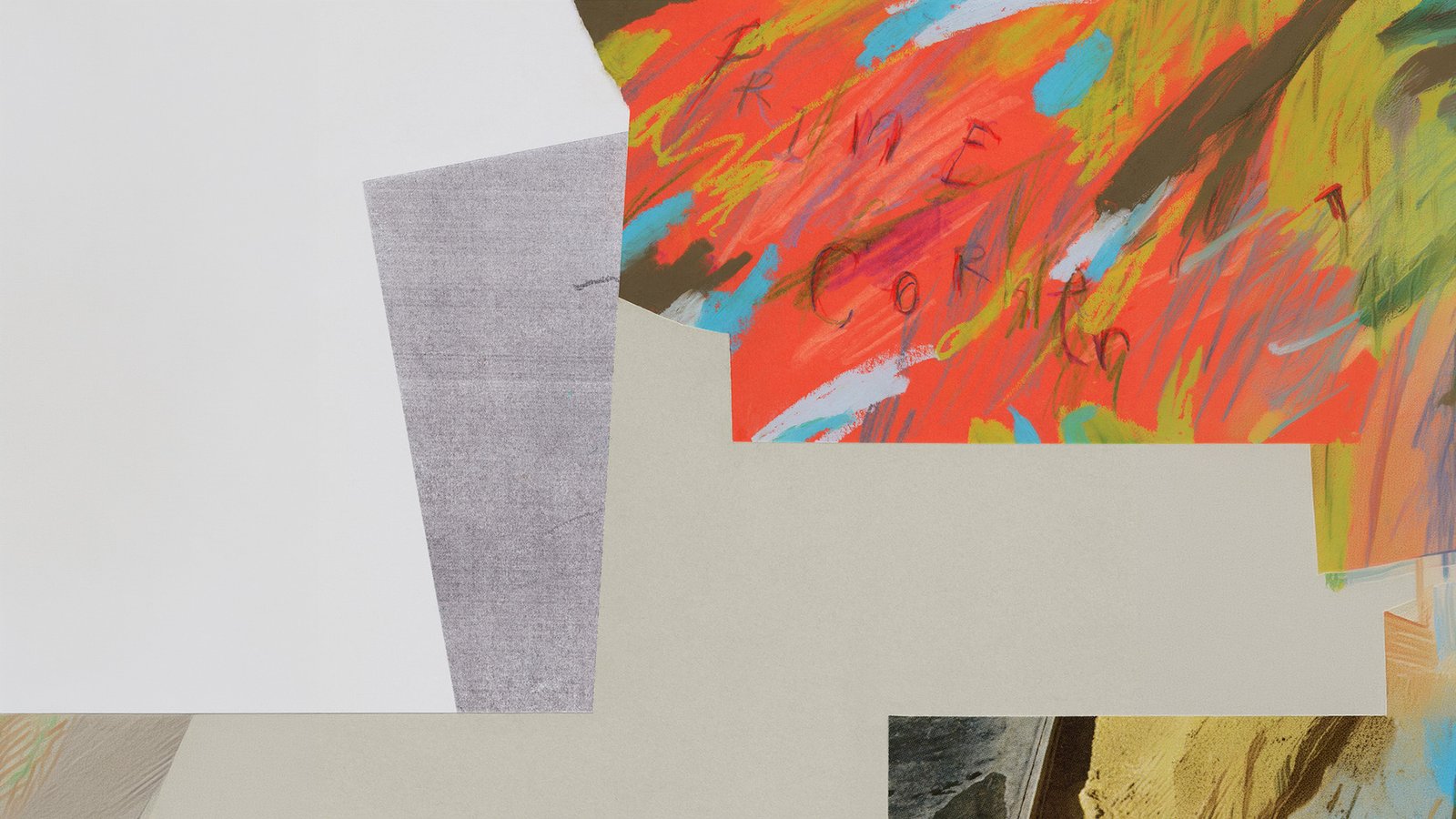
Yu Su's second full-length moves further into focused, post-orientalist territory she describes as "in-between music." Written partly for a MUTEK live set and completed after her relocation to London, Foundry leans into dubby ambient techno while retaining traces of hazy downtempo and Fifth World sound design. Guests including Dip in the Pool and memotone help dissolve city-pop, ambient folk and acid-streaked club elements into each other. The album coheres through low-end pressure, noisy overtones and a hands-on approach to texture and space. It is not the most immediately accessible record in her catalogue, but its patchwork ultimately rewards patience with a clear, deliberate atmosphere.
Shabason & Krgovich – Four Days in June
Joseph Shabason and Nicholas Krgovich extend their collaboration into something close to a lightly surreal soft-rock orchestra on Four Days in June, released via Idée Fixe. With contributions from Sam Amidon on fiddle and banjo, Thom Gill on guitar and others, the record folds adult-contemporary textures into a warm, analog band sound. It reaches toward the kind of CD-era songcraft that could live in a glove compartment, refracted through their distinctive off-kilter sincerity. Thematically it feels like two writers in mid-life looking back without melodrama, finding quiet contentment in small details, late-afternoon light and the slow accumulation of ordinary days. The music carries its weight lightly.
Fruit Bats – The Landfill
Eric D. Johnson builds his new Merge album around the image of artificial Midwestern landfill hills turned into viewpoints. The metaphor stands for standing on accumulated memory and emotional debris to see what comes next. Recorded as a full-band affair with longtime touring members, The Landfill expands beyond the hushed intimacy of his previous release into more cinematic, classic-rock-leaning territory. Tracks like the melancholy opener "The Saddest Part of the Song" and the title cut work as slow-burn driving songs. The record carries a preoccupation with reflection, regret and possibility, and feels like one of the strongest statements in the Fruit Bats catalogue.
The Through Line
What connects these releases is not a shared scene or tempo but a shared refusal to coast. Each one understands its own scale and arrives with a clear sense of why it exists and how long it needs to hold the listener's attention. In a landscape full of noise, these are the signals that earn their space through detail, tension, texture and intention.