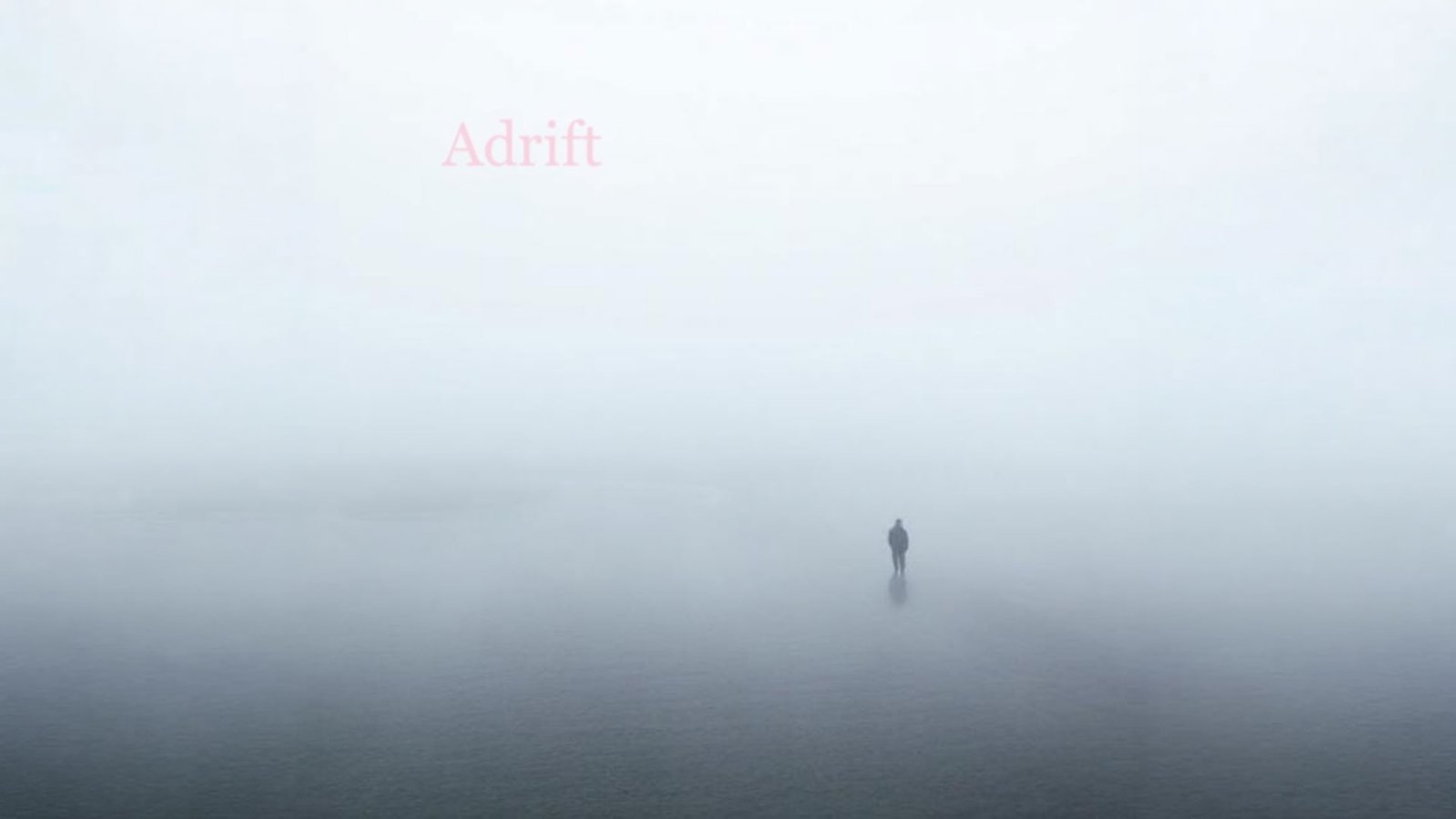
The band returns to Matador Records with a new single about distance and an album framed around kintsugi, the Japanese art of repairing broken pottery with gold.
From Akron’s industrial edges, an independent artist maps personal loss, Irish blood and the weight of the rejected into a sound that has already begun to oxidize.
The New York project’s debut single turns a private bedroom into a continuous emotional field, where domestic noise, restrained piano and a fragile high voice create a space that refuses to end.
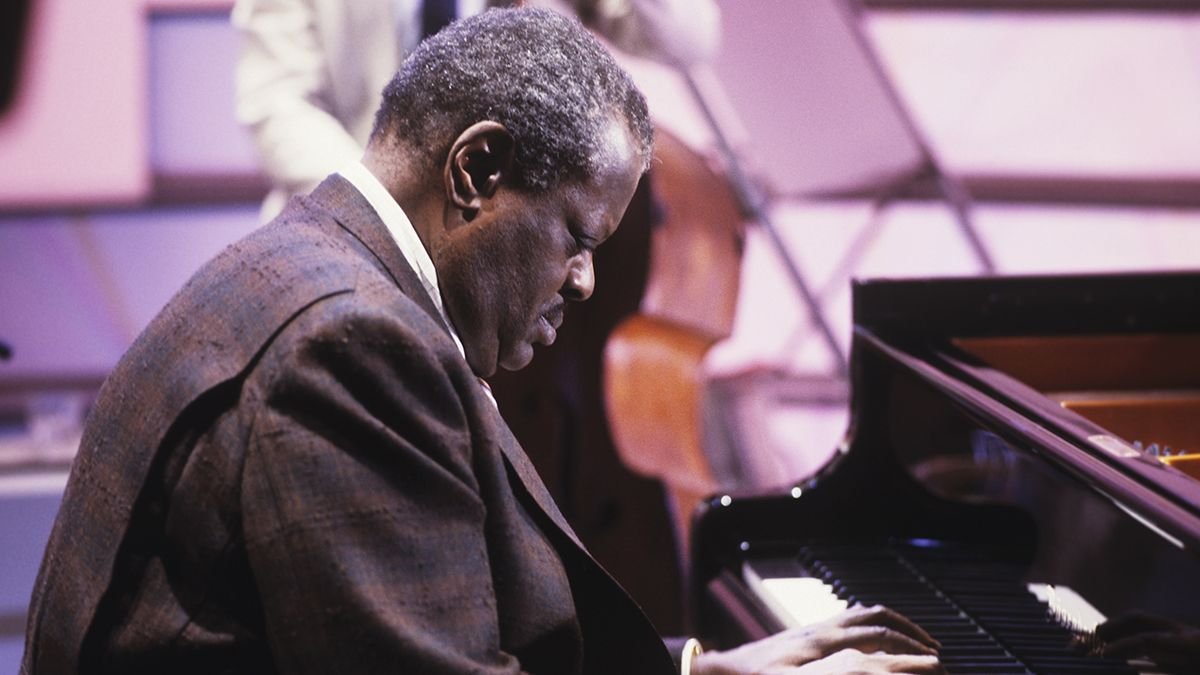
Research from the University of Cambridge shows large language models can distinguish 20 jazz pianists with 94.4% accuracy, with harmony acting as the clearest marker of an artist’s style.
David Sprague’s photographs of the OAF House capture the informal infrastructure that held Austin’s early-80s punk scene together — before the police routinely shut it down.